Car Sickness on the Way to the Kennel: Why Your Dog Arrives Nauseated and What It Does to the First 24 Hours of a Stay
Published on October 27, 2026
Picture the first page of a boarding log for a three-year-old spaniel. Drooling at check-in. Vomited in her suite within the hour. Lip licking, restless, would not settle. Refused dinner. Read cold, that is a dog in trouble, either badly stressed or coming down with something, and a careful kennel would treat her that way. Her owner could have explained most of it in one sentence at the desk: she is always sick in the car, and the drive took fifty minutes.
Problems in the car are common, and most go untreated. In a University of Pisa survey of 907 dog owners, nearly one dog in four had shown some kind of problem in the car, and among the owners of those dogs, 96 percent had never given them anything for it and almost half had never asked anyone for advice. Boarding day is where that untreated problem tends to surface. The drive to a kennel is often longer than the usual hop to the park, it ends somewhere unfamiliar, and the dog is handed over before anyone has watched it recover. This guide covers why dogs get carsick, why the after-effects get logged as stress or illness, how fasting for the drive collides with the kennel’s feeding schedule, what to tell the front desk, and how to fix the car before the next stay.
Why Dogs Get Carsick
Motion sickness starts in the balance system. The inner ear senses the car moving while the eyes, fixed on a seat back or a crate wall, report that nothing is moving, or catch the world streaking past a side window. The leading explanation is that the brain struggles with that mismatch between what it senses and what it expects. The American Kennel Club notes that carsickness is most common in puppies, for the same reason it is most common in young children: the inner-ear structures that handle balance are not fully developed yet. Many dogs grow out of it. Some never do.
A study at Vetmeduni Vienna shows what a drive does to dogs that are not used to cars. Herbel and colleagues drove 18 beagles that had barely been in a vehicle on trips of one and two hours. Cortisol, the main stress hormone, doubled in their blood and rose eightfold in their saliva, and their heart rates jumped as each trip began. Of 19 behaviours the researchers tracked, licking the mouth was the most frequent in the moving car, yet it barely appeared when dogs sat in a parked one. The authors suggest that lip licking and yawning on the road may be signs of travel sickness, and that motion sickness may be one reason the dogs did not get used to the trips.
Then there is what the dog has learned. A dog whose first few trips made it sick can come to associate the car itself with being ill, the AKC explains, and a dog whose trips end at the vet can link the car with that instead. The Pisa survey bears that out. Dogs that were only ever driven to veterinary clinics were about twice as likely to react badly to the car (46 percent against 23 percent), while dogs that got used to the car as puppies were less likely to develop problems. If most of a dog’s drives end at the vet’s or the kennel, the car means trouble before the engine starts.
Why the Drive Gets Misread at Intake
The difficulty for a kennel is that nausea and nerves look the same. The Merck Veterinary Manual says vomiting is typically preceded by nausea, excessive drooling and retching. When researchers at the University of Veterinary Medicine Hannover scored nausea in dogs, their scale covered salivation, lip licking, vocalisation, restlessness and lethargy. The AKC’s list of signs that a dog is anxious about the car reads whining, drooling, licking the lips and vomiting. Lip licking, restlessness and pacing are also classic kennel stress signals. A handler watching a drooling, lip-licking, pacing dog at the front desk cannot tell from the dog alone whether it is the drive, fear of the building or the start of a stomach bug.
A cautious kennel will assume the worst, and it should. England’s licensing rules require every boarding kennel to have isolation for sick or potentially infectious dogs, and bar any dog showing signs of infectious disease from shared exercise areas. A dog that vomits in reception may reasonably spend its first hours housed apart and out of group play until it settles. That is the right call, and it is also the kind of first-day disruption that one sentence from you at the desk can shorten.
The paperwork follows the dog. The vomit, the refused dinner and the restless evening all go into the record, as they should, and our guide to the daily report card explains why a written log beats a handler’s memory. But the next shift reads those entries without knowing about the drive. A skipped first meal also starts a clock: England’s guidance says a dog that stays off its food for more than 24 hours must be monitored, with veterinary advice sought if staff are concerned.
Travel medicine adds entries of its own. Maropitant is a prescription tablet approved in the US to prevent vomiting from motion sickness in dogs. On its label, dogs given the drug in a European travel study were drowsy, lethargic or apathetic more often than dogs given a placebo (8 percent against 1 percent), and a few drooled more or went off their food. A drowsy dog that has not eaten is easy to log as a lethargic dog with no appetite.
The Fasting Question
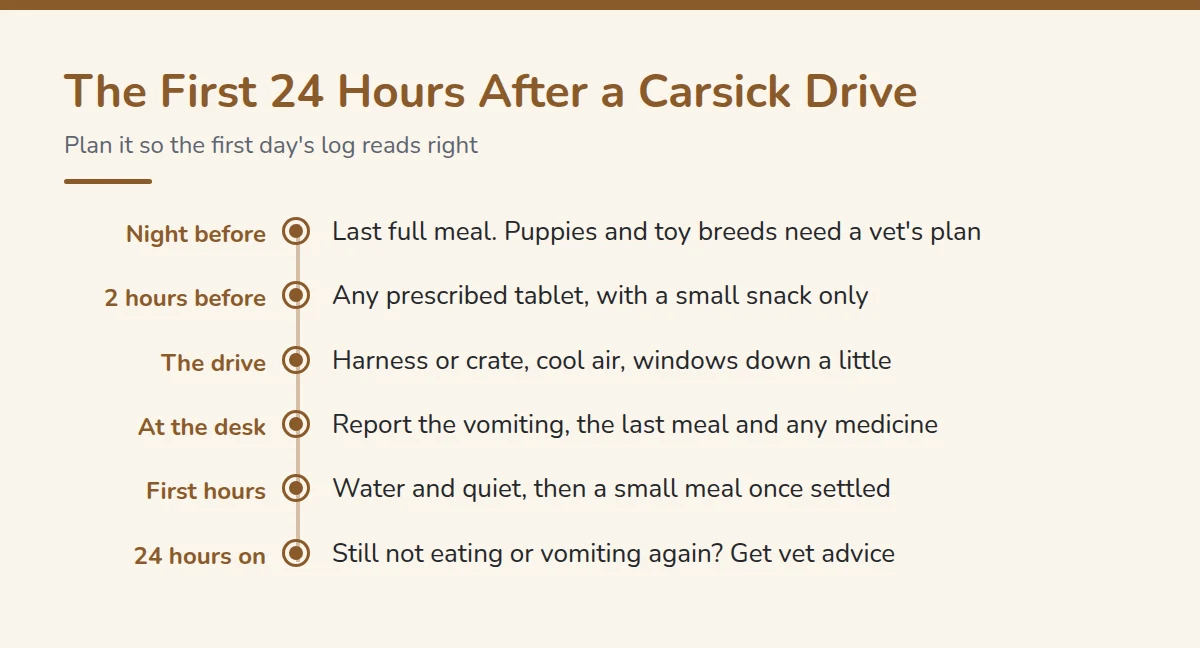
The usual advice is to travel on an empty stomach. The AKC suggests withholding food for 12 hours before a car trip where possible, but never restricting fresh water. The maropitant label takes a middle line: give the tablet at least two hours before travel with a small amount of food, because the dose itself can cause vomiting on an empty stomach, but do not feed a full meal before the trip.
Either way, the fast collides with the kennel’s timetable. Suppose a dog eats dinner at six, skips breakfast for a ten o’clock drop-off, and the kennel’s next meal is dinner at four. If nausea and nerves make it refuse that dinner, its next chance is breakfast the following morning. By then it has gone well over a day without food, and the kennel’s record shows only a single missed meal, because nobody wrote down the fast.
Three things close that gap:
- Tell the desk when your dog last ate, and how much, so the log starts from the right point.
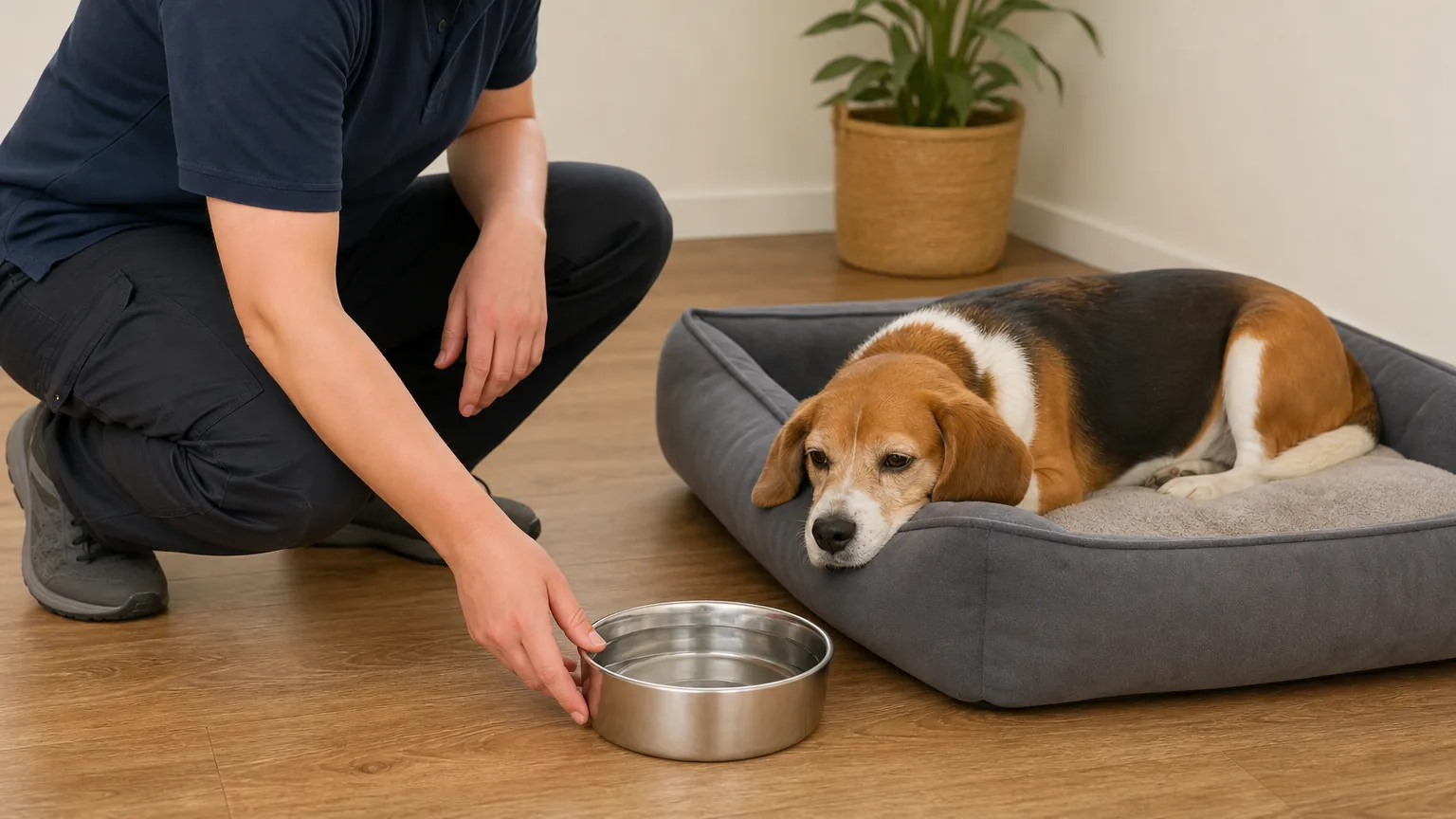
- Ask for a small meal once your dog has settled, rather than waiting for the scheduled dinner or getting a full bowl straight away. Pack an extra portion for it.
- Keep the first meal modest for big, deep-chested dogs. A hungry dog that wolfs a full bowl is eating fast, which our feeding guide lists among the risk factors for bloat.
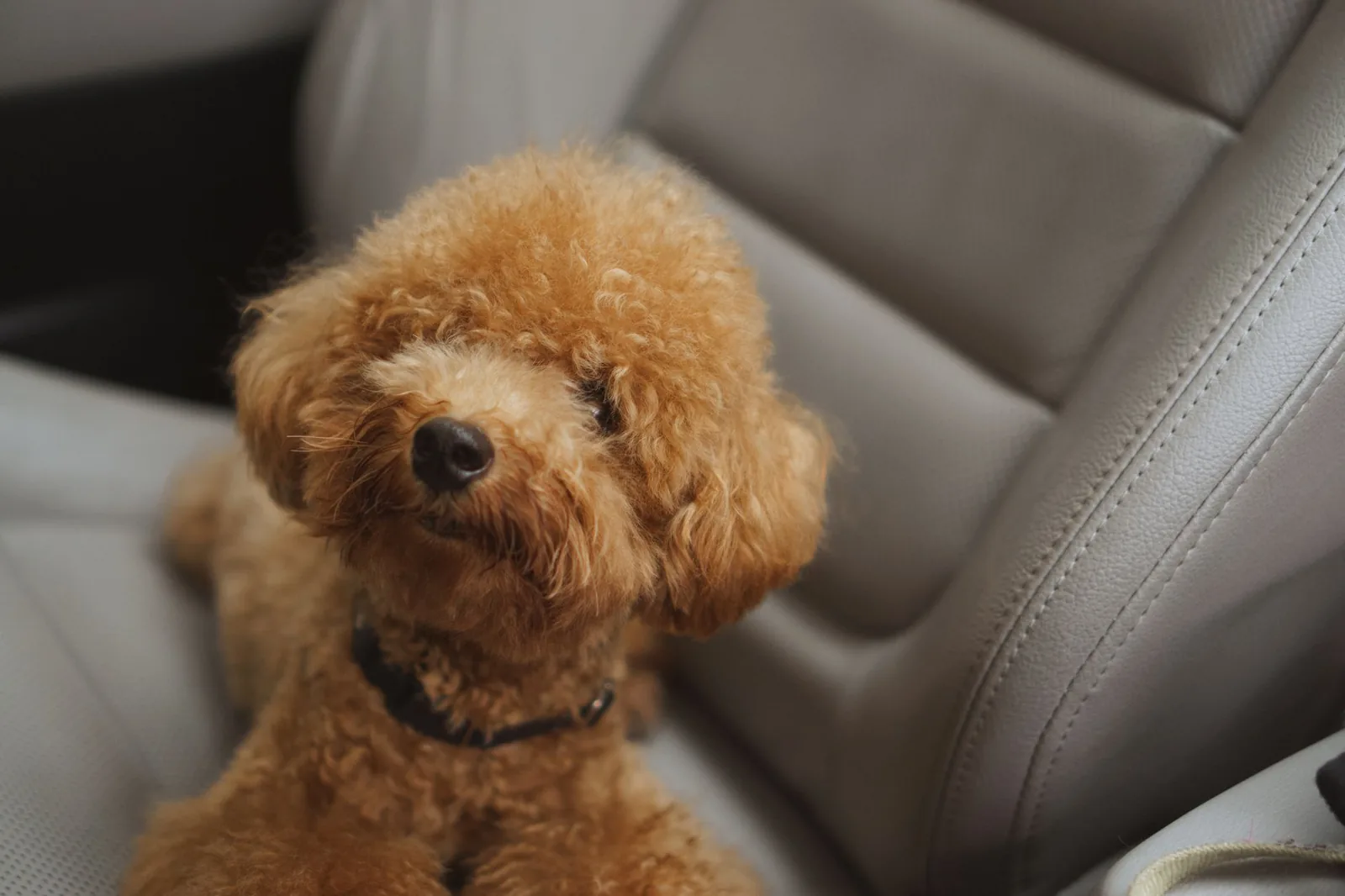
Some dogs should not fast on general advice at all. The AKC explains that very young or very small puppies, toy puppies above all, cannot store enough glycogen and can run out of glucose between meals, especially when they are active, cold or stressed. A veterinarian quoted in the same piece says puppies that turn out to be hypoglycaemic are often young toy breeds, sometimes after severe stress following travel or shipment. Diabetic dogs, and dogs whose medicine has to go down with food, need a travel-day plan from their vet rather than a fast.
What to Tell the Front Desk
Put it on the care sheet, not just in conversation, because spoken notes rarely survive a shift change. England’s rules require a kennel’s register to hold each dog’s relevant medical and behavioural history and any treatment it is receiving, so there should be a place for it.
- The drive. How long it took, whether your dog was sick, when and how many times.
- The last meal and drink. The time and the amount.
- Anything given for the trip. The drug’s name, the dose and the time, including supplements and calming chews.
- Your dog’s normal. “Drools for the first half hour, sleeps it off, eats by evening” tells a handler what recovery looks like.
- What you would like done. Water and a quiet space first, a small meal once settled, then the normal routine.
- The drive home. If your dog will need a tablet before pickup, arrange it now (more on that below).
For handlers, the same list works in reverse. Make “How was the drive?” a standard intake question, and log every vomit with the time and the place: car, reception or suite. A dog that was sick in the car and settled by evening is a different case from one still vomiting the next morning, and the next shift can only tell them apart if the first shift wrote it down.
Carsick or Something Else?
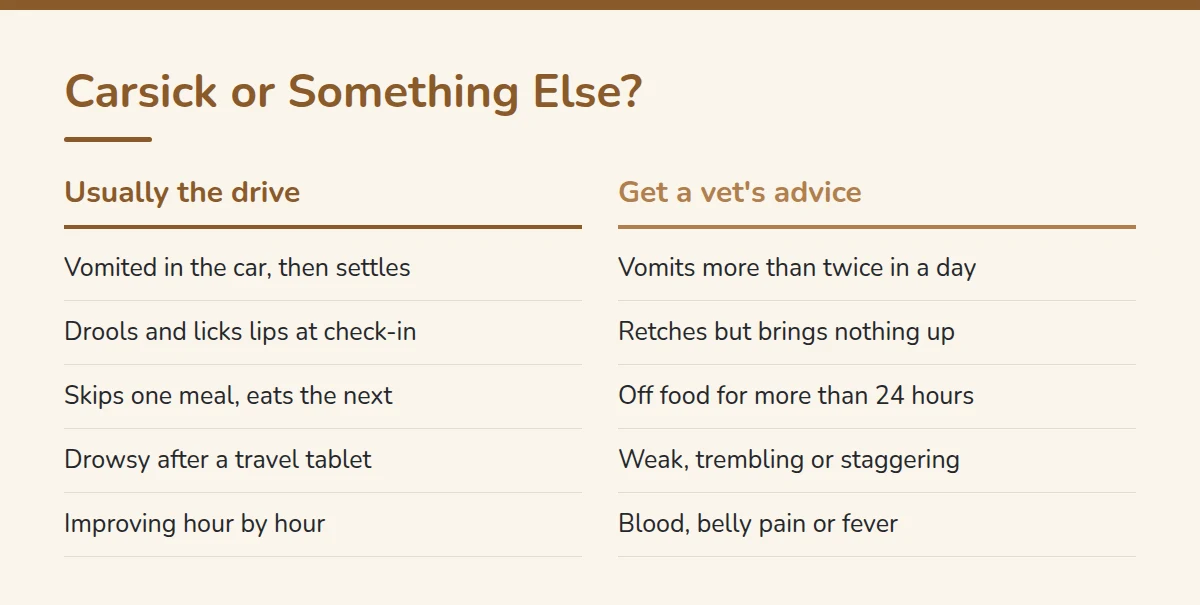
The useful question is direction. A dog whose only problem was the drive should look better as the hours pass, not worse. The Merck Veterinary Manual says vomiting that happens more than once or twice a day, or comes with blood, belly pain, depression, dehydration, weakness or fever, needs a fuller veterinary examination. Some signs need a vet promptly, whatever happened in the car:
- Retching that brings nothing up, with a swelling belly, in a large deep-chested dog is the bloat emergency described in our feeding guide.
- Weakness, trembling or wobbliness in a small puppy can be low blood sugar, which the AKC treats as a reason to call a vet at once.
- A head tilt, flicking eyes or a staggering gait points to the balance system itself. The Hannover researchers list ataxia (unsteadiness), head tilt and nystagmus (rhythmic eye flicking) among the typical signs of vestibular disease, which can also cause nausea and vomiting.
Whatever the cause, the decision belongs to the kennel’s vet, not the front desk. England’s rules say that when a trained first aider suspects a dog is ill, a vet must be contacted for advice immediately, and that all medications must only be used with the owner’s prior consent and in discussion with a vet. A kennel should not be handing out anti-sickness tablets, or anyone’s leftover travel pills, on its own initiative.
Fixing the Car Before the Next Stay
The AKC’s retraining plan is slow on purpose. Sit with your dog in the parked car for a few minutes a day, engine off, with praise and a gentle hand. After a few days, run the engine for a few minutes and play. When your dog is keen to get in, drive to the end of the driveway once and stop. Build up to short trips that end somewhere your dog loves, like a park or a friend’s dog, and drop back a step if it gets sick. Stay calm about lapses, because a fuss only raises the stress.
The pace matters. In the Vienna study, three weekly one-hour drives did nothing to soften the beagles’ stress response to a later two-hour trip, although the authors could not rule out adjustment over a longer period. Repeating the full journey is not training. Start weeks or months before a booking, and send the car to good places, since the Pisa survey tied vet-only trips to worse reactions. A trial overnight stay doubles as a trial drive, too.
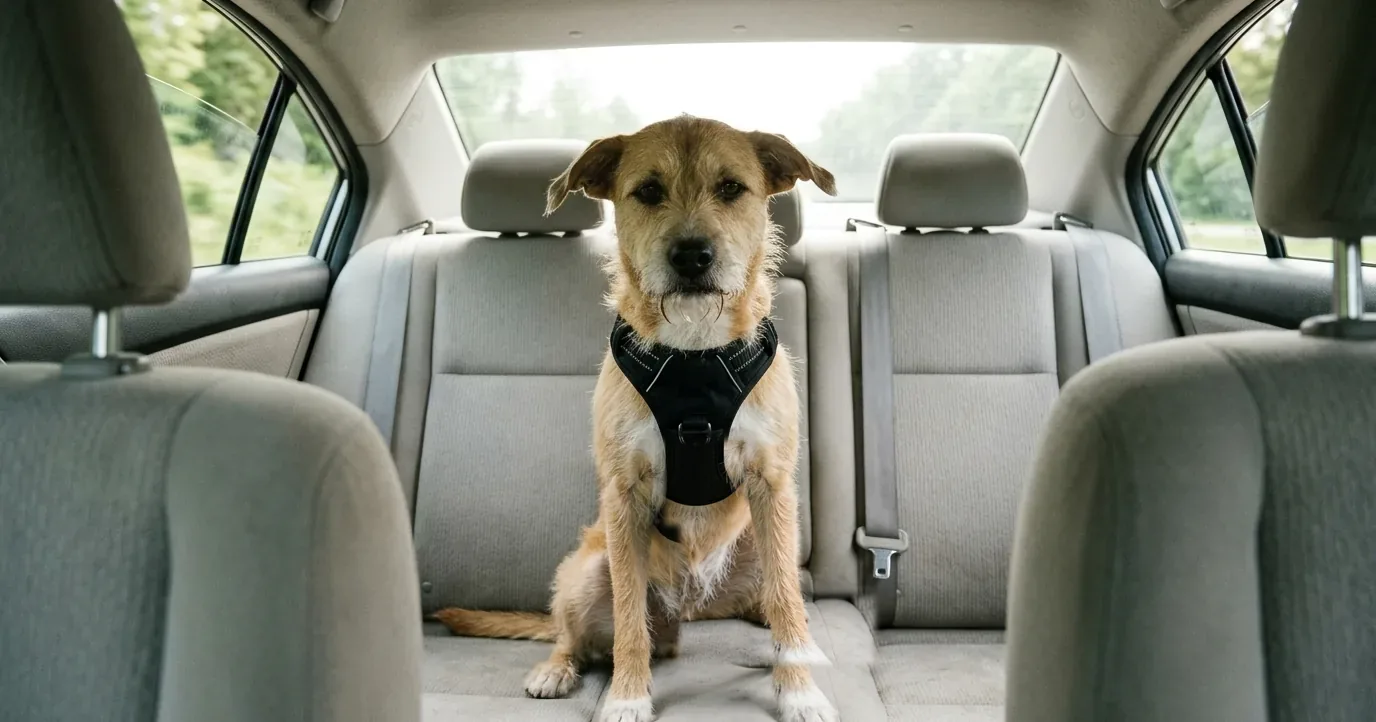
Set the car up to help. The AKC suggests the middle of the back seat in a safety harness, where your dog is more likely to look forward, or a solid-sided crate that limits the view. Lower the windows a few inches, keep the car cool, and bring something that smells of home, plus a toy that only appears in the car.
When that is not enough, talk to your vet. Maropitant is FDA-approved to prevent vomiting due to motion sickness in dogs four months and older. On its label, in a study of dogs prone to motion sickness taken on an hour-long car journey, 55 percent vomited on a placebo and 7 percent on the drug. Note the age floor. Puppies are the dogs most prone to carsickness, and the label does not cover the youngest of them, though most kennels want puppies four to six months old anyway, as our puppy boarding guide explains.
The drug stops vomiting more reliably than it stops nausea. In a Royal Veterinary College study that used a chemotherapy drug to make eight beagles nauseous, maropitant stopped every dog vomiting but cut nausea behaviour by only about a quarter. The Hannover team note that maropitant and metoclopramide, the usual anti-vomiting drugs, curb vomiting but have only a limited effect on nausea. Neither study involved a car, so the finding does not transfer neatly, but it is a fair warning. A dog given the tablet can arrive with a clean car seat and still drool, lick its lips and turn down dinner, which is one more reason to tell the desk it was given.
Because fear plays a part for many dogs, the AKC notes that vets may also recommend an anti-anxiety medicine, or even a sedative. Some owners reach for herbs such as ginger, valerian or lavender, and the AKC’s advice is to clear any remedy with your vet first. The kennel needs to know about all of them.
Plan the drive home at the same time. The label says to give the tablet at least two hours before travel with a little food but no full meal, so if your dog needs it before pickup, the kennel will usually have to give it. Arrange the tablet, your written consent and your vet’s instructions at booking, and ask the kennel to hold back the full breakfast that morning.
The Bottom Line
Carsickness is not a boarding problem, but boarding day is where it does its damage. The kennel sees the drool, the vomit and the skipped dinner, and only you know about the drive, the fast and the tablet. Tell the desk all three, ask for a small meal once your dog has settled, and arrange the trip home before you leave. A kennel that knows your dog was carsick can read the first day properly. One that does not is reading half the story.
Further reading (sources)
- American Kennel Club on why dogs get carsick and how to retrain a nervous traveller
- Mariti and colleagues for a survey of 907 owners on their dogs’ problems in the car
- Herbel and colleagues with stress hormones and lip licking in beagles on one and two hour drives
- Merck Veterinary Manual on the signs that come before vomiting and when it needs a vet
- Henze and colleagues for how nausea is scored in dogs with balance disorders
- Kenward and colleagues on three anti-sickness drugs tested against vomiting and against nausea
- DailyMed with the maropitant tablet label and its motion sickness directions
- American Kennel Club for why toy puppies run low on blood sugar between meals
- GOV.UK setting out England’s kennel rules on appetite, isolation and medication