Is Your Dog Boarded Where You Think? Overflow Kennels, Subcontracted Housing, and Confirming Where Your Dog Sleeps
Published on October 2, 2026
A home security camera in Los Angeles recorded the start of it this August: a trainer’s van pulling up to collect two Bernese Mountain Dogs for a board-and-train program their owner had paid $10,000 for. Two days later, the owner got a phone call telling him that Dunkin, his two-year-old, was dead. As he described it to KTLA, staff told him the dogs had been out at a park earlier, it had become too hot, and they were driving the dogs to a kennel in Hollywood to board them when Dunkin died in the car. “They never communicated that to me,” he said. His guess, he added, was that the business lacked adequate facilities for the dogs and had been keeping them outside in a heatwave. Los Angeles Animal Services opened an investigation, the owner planned a necropsy to establish the cause of death, and KTLA was still waiting for a response from the business when it reported the story.
Coverage of the case, including our own guide to the incident call, has focused on the death and the hours it took the owner to hear about it. This article is about a quieter detail. The dogs were headed for a building their owner had never been told about, let alone seen. When the city’s animal services department confirmed its investigation, it urged owners to make a thorough, in-person walkthrough of “the entire property” before boarding. That advice is sound, and it rests on an assumption almost nobody checks: that the property you walk through is the one your dog will sleep in. Usually it is. In a sold-out holiday week, with a business that sells boarding without owning a kennel, or in a real emergency, it may not be. Below is why that happens, why home pickup removes the one look inside most owners get, and what to put in writing so the address is fixed and any move needs your agreement first.
Four Reasons Your Dog Might Sleep Somewhere Else
The kennel is full. Every licensed or permitted kennel has a ceiling on dog numbers, and the busiest holiday weeks are when bookings press hardest against it. England’s statutory guidance requires a boarding licence to state how many dogs the premises may hold and treats undeclared numbers as a breach. Our guide to licensed capacity and staff ratios explains where those limits come from. A full operator has three options: turn bookings away, open overflow space at the same address, or send the extra dogs somewhere else.
Overflow at the same address can be perfectly fair when it is out in the open. One New York kennel’s booking page describes its holiday overflow section without any fudging: kennels of 4 by 6 feet, kept for calm, friendly and older dogs, with all of them going out together as a group to play and relieve themselves. An owner reading that knows the space is smaller than the regular runs and the turnout is communal, and can decide whether their dog suits it. The third option, a different address altogether, is the one that tends to go unsaid.
The business never had a kennel. Some trainers, walkers and boarding brands sell overnight stays without owning the building the dogs sleep in. They rent runs at another kennel, lean on a partner facility, put dogs up in a staff member’s home, or match owners with hosts. England’s licensing regulations anticipate this, because the activity that needs a licence is “providing or arranging for the provision of” boarding. Government guidance for home boarding brings franchises and businesses that connect owners with hosts into scope, makes the business responsible for every home it uses meeting the standards, and requires a list of associated premises, with any change reported to the council within 30 days. Board-and-train programs often run this way, and our guide to vetting a board-and-train facility covers the training side of that model.
Something changed mid-stay. A dog that will not settle is moved to a quieter building. A coughing dog goes to a vet’s isolation ward. A small operator short of staff for a weekend sends dogs to a friend’s kennel. Some of those are sound decisions. Every one of them is a change you should hear about, preferably before it happens.
An emergency. Fires, floods and power cuts happen, and English kennel standards require a plan for housing the dogs if the premises become uninhabitable. A named sister site with a standing agreement is a mark of good planning, as our guide to emergency preparedness at boarding facilities explains. An emergency move is the only kind that cannot wait for your consent, and it still owes you a phone call and the new address.
Why the Address Matters More Than the Brand
Boarding rules attach to places rather than logos. California’s pet boarding statute defines a boarding facility as “any lot, building, structure, enclosure, or premises” where four or more pets are boarded for pay, so its standards bind a property. Colorado’s rules under its Pet Animal Care and Facilities Act require each location of a pet animal facility to be licensed separately, and state that licences are not transferable. In England, a licence has to show the address of the licensed premises and be displayed somewhere public-facing on site, such as the entrance.
A Welsh case from this year shows how that plays out. A home boarder who held a licence at her old address moved to a farm and went on boarding dogs there without licensing the new premises. Rhondda Cynon Taf Council first heard about it when an owner reported that their dog had been attacked and injured while staying at the farm. Officers told her in writing that her licence did not cover the farm, she carried on, and another attack was reported the following summer. The council’s summary of the law was plain: home boarding licences “are issued to a specific property and are not transferable between addresses.” She pleaded guilty and was fined £393. A licence number on a website vouches for an address. It does not prove your dog is at it.
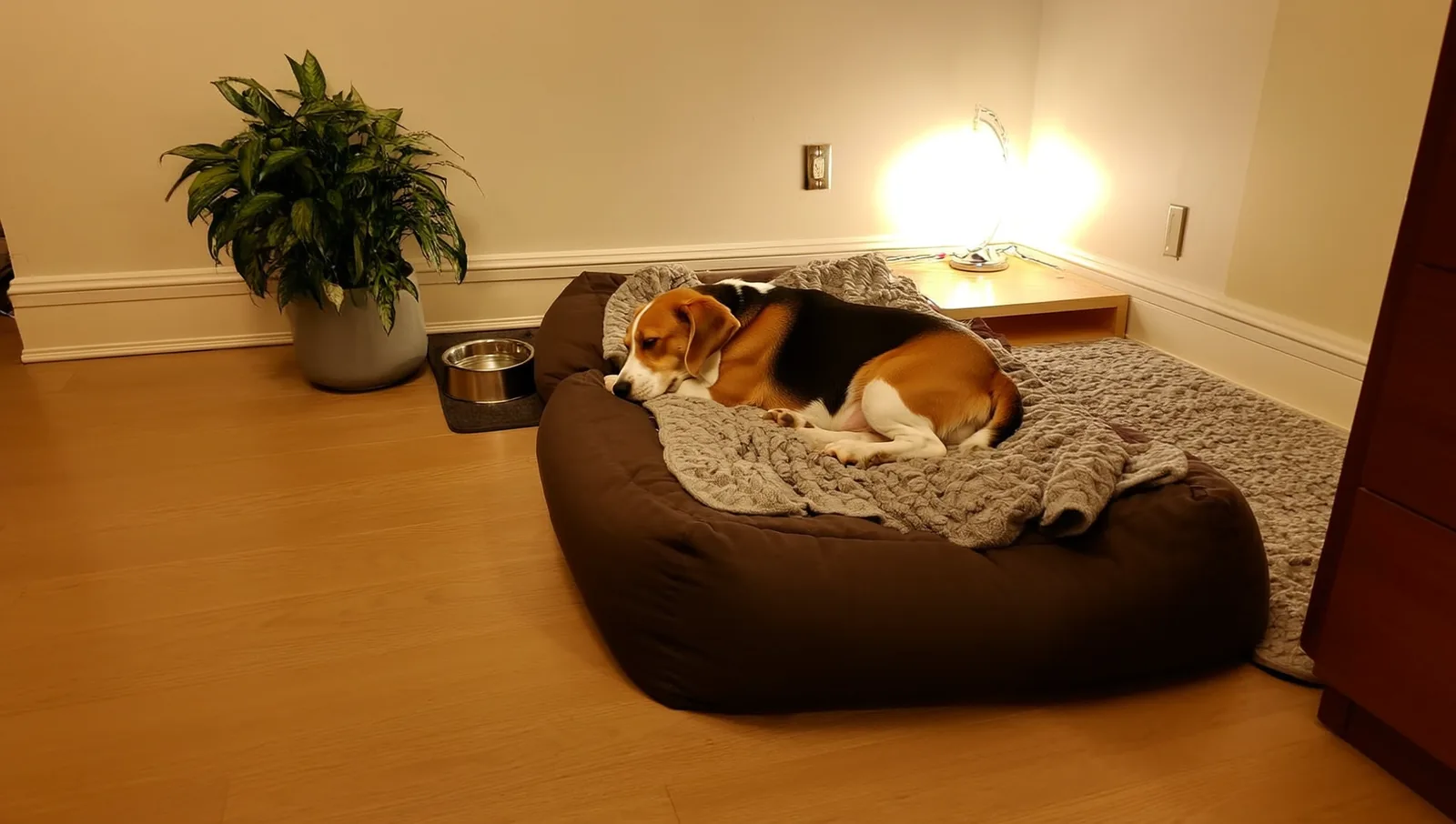
A dog moved to a second site can end up outside nearly everything you checked. The inspection, the fire alarm you asked about, the staff you met, the reviews you read and the vaccination policy at the front desk all belong to the first building. Your paperwork may not travel either. England’s kennel standards require a register for every dog on the premises holding the owner’s contact details, a local emergency contact, the dog’s vet and insurer, its medical and behavioral history, its diet, consent forms and any current treatment. That register lives at the licensed premises. Unless somebody forwards it, the second site starts with a dog, a leash and whatever the driver remembers. If your dog slips its collar there, the search begins in a neighborhood nobody told you about.
Then there is liability. Whose insurance covers a dog in the hands of a business you never signed with, and what your contract means at an address it never named, are questions for a lawyer. They are far easier to settle before a stay than after something goes wrong.
Home Pickup Removes Your Only Look Inside
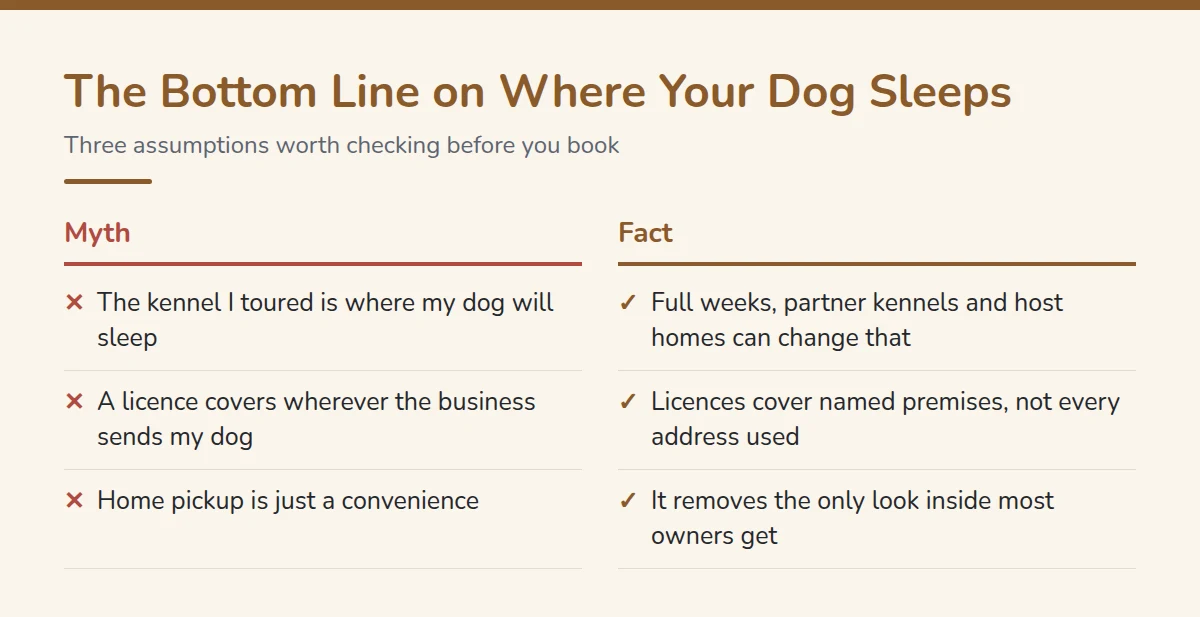
For most owners, drop-off is the single time they see the building with dogs in it: the room their dog will sleep in, the noise and smell of the place, the staff actually on shift. Collection services remove that visit. They are convenient and common with trainers, walkers and smaller operators, and they mean the van leaves your driveway for an address you take on trust. In the Studio City case, the owner had met the trainer several times before the stay, and his own camera recorded the pickup. It could not show where the dogs went next.
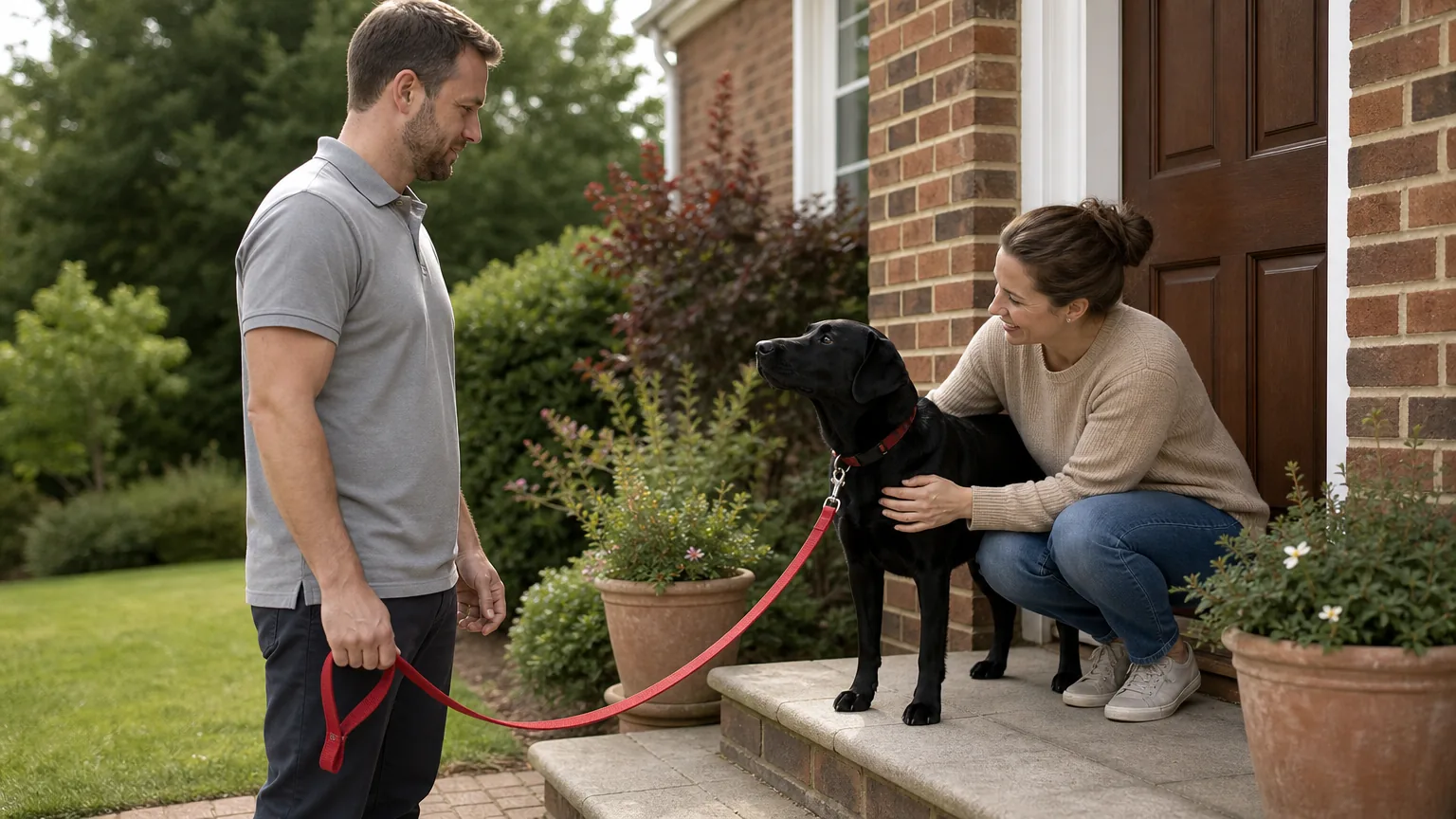
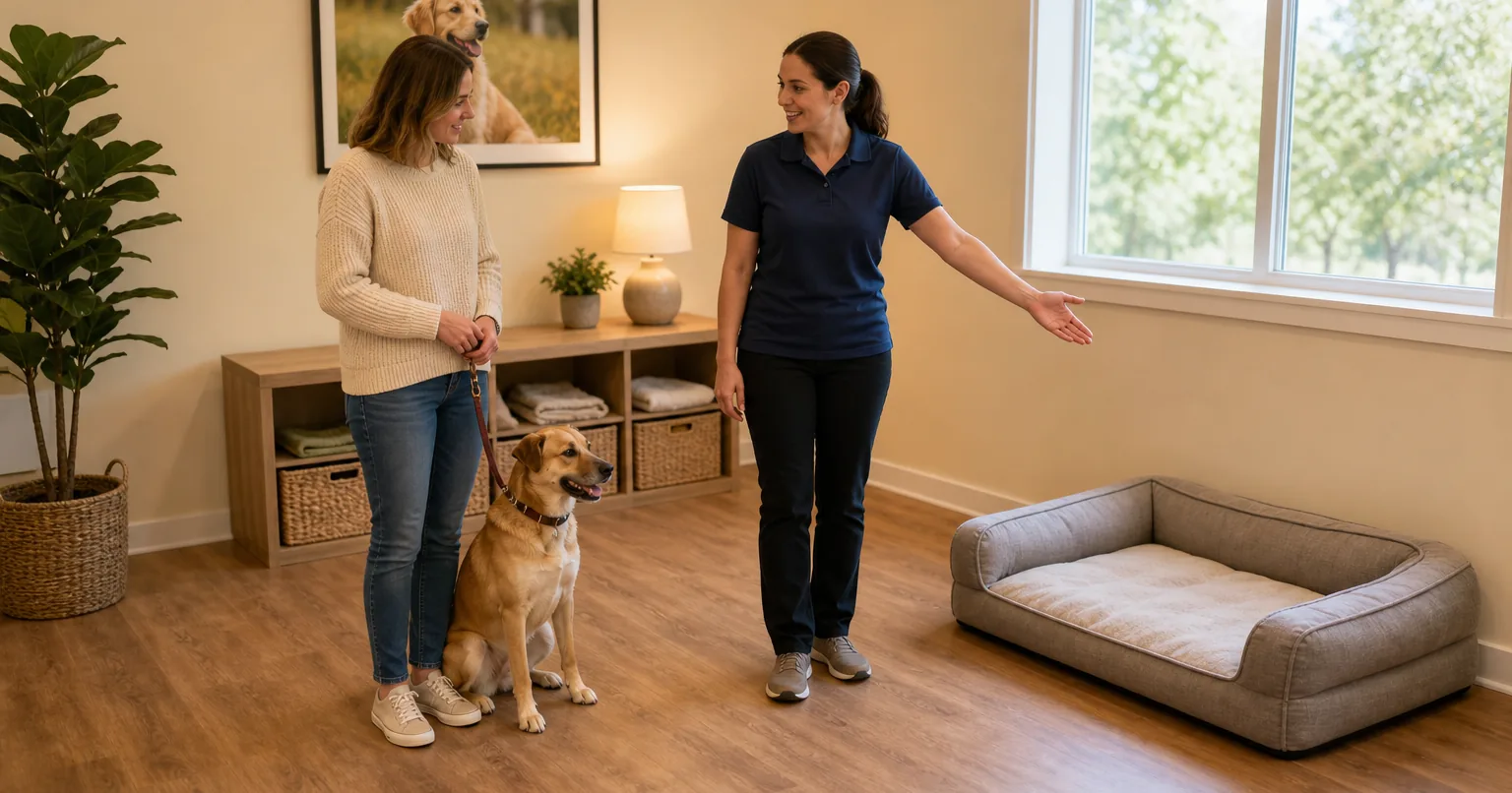
None of this makes pickup a red flag in itself. It makes the tour matter more. If someone else will be doing the driving, see the housing address in person before the first stay, ideally at a time when dogs are in residence, and ask where the van goes after it leaves your house, whether it stops anywhere on the way, and where your dog will spend each night. The safety of the journey itself is a separate subject. The question here is only where it ends.
The Questions That Pin Down the Address
Ask these at booking and listen for direct answers:
- What is the street address where my dog will sleep each night of this booking?
- Is that the address on your licence or permit?
- When you are full, do you ever house dogs anywhere else, such as an overflow room, a partner kennel or a staff member’s home?
- If so, is that offered to me as a choice, or decided for me?
- Who looks after my dog there, and do they get my feeding plan, medication and vet details?
- If you had to move my dog in an emergency, where would they go, and how quickly would you call me?
Then check what you were told. Look the address up on a map and see whether it matches the building you were shown or turns out to be a house, a warehouse or an empty lot. In England, the licence holder’s name and licence number must appear on the business’s website, so you can match them against the council’s register, and our guide to UK boarding licences and star ratings shows how. Elsewhere, ask the state or local licensing agency, or animal control, whether that address holds a kennel licence or permit. Where no licence exists at all, your own visit is the only inspection your dog gets, so make it at the address where your dog will actually sleep.

What to Put in Writing
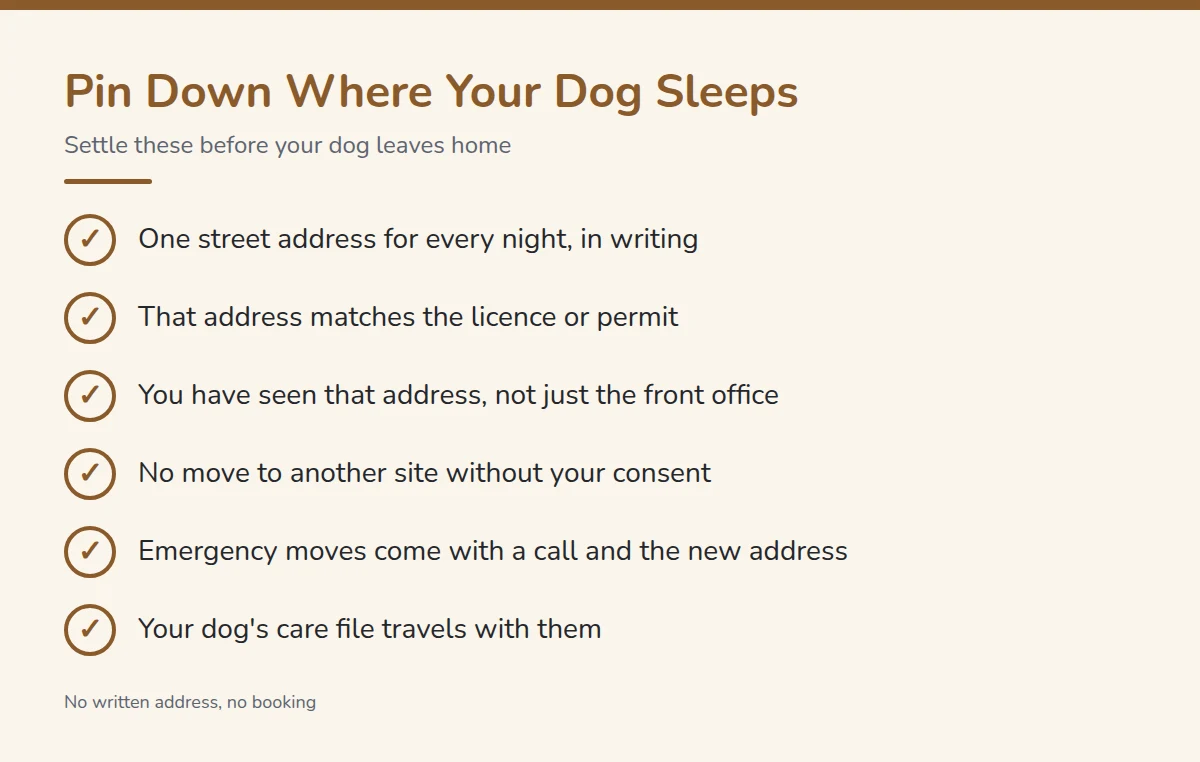
A verbal promise is worth very little once the van has gone. The booking confirmation or contract should cover four things.
- The housing address. One address, for every night of the stay, written into the confirmation itself.
- No relocation without advance consent. For example: “My dog will be housed only at the address above. Moving my dog to any other premises, including partner kennels, overflow sites and staff homes, needs my written consent in advance.”
- An emergency exception with a call attached. A move for veterinary care, a fire or a flood can go ahead without waiting for consent, as long as you are phoned straight away with the reason and the new address.
- The care file travels with the dog. If any move happens, the feeding plan, medications, vet authorization and your contact details go too.
California owners start with an advantage. The state’s boarding law requires operators to hand each owner written information covering drop-off and pickup times, the days and hours staff are on site, the square footage of the enclosures dogs are kept in, how dogs are observed through each 24 hours, and the daily activity schedule. If the facility is going to depart materially from those practices for your dog, it must tell you. Ask for that sheet and ask for the address to be added to it, because a different building would change almost every line.
Read the small print for the opposite clause as well. A term letting the business house your dog at any of its locations or affiliated facilities hands it exactly the decision you are trying to keep. Ask for it to be struck out or narrowed to named sites you have seen. And if a business will not put a single address in writing, that refusal answers the question you came to ask.
If You Learn Your Dog Has Been Moved
Act while your dog is still in their care.
- Get the address and the operator’s name in writing, straight away.
- Ask why, since when, and who is with your dog now, and note the times you are given.
- Send your local contact, or go yourself. Ten minutes at the door settles more than a run of reassuring photos.
- Check whether the second site is licensed, with the licensing body where one exists.
- Bring your dog home early if the answers do not add up, and keep every message.
- Report it to the licensing body or animal control if your dog was placed somewhere unlicensed, or if you believe your dog is in danger.
The Address Is Part of the Booking
A tour inspects a building, and it only protects your dog if your dog stays in that building. Most do. When they do not, the reason is usually a full holiday week, a business model that never included a kennel, or an emergency, and only an emergency is a reason to move a dog before asking you. Get one address in writing, see it with your own eyes, and make any move something you agree to before it happens.
Further reading (sources)
- KTLA on the Studio City board-and-train death and the unannounced drive to a Hollywood kennel
- KTLA with Los Angeles Animal Services opening its investigation and urging a walkthrough of the whole property
- California Legislative Information for the statute defining a pet boarding facility as a premises
- California Legislative Information on the written facility information owners must be given, and the duty to disclose deviations
- Legal Information Institute covering Colorado’s rule that each facility location is licensed separately
- legislation.gov.uk for the English regulations licensing anyone who provides or arranges boarding
- GOV.UK on home boarding rules for franchises, arrangers and their list of premises
- GOV.UK with the kennel standards on licence display, dog registers and emergency housing
- Rhondda Cynon Taf Council on a home boarder prosecuted for boarding dogs at an unlicensed new address