Board-and-Train Facilities: Why the Hybrid Model Creates Distinct Welfare Risks and How to Vet One
Published on September 6, 2026
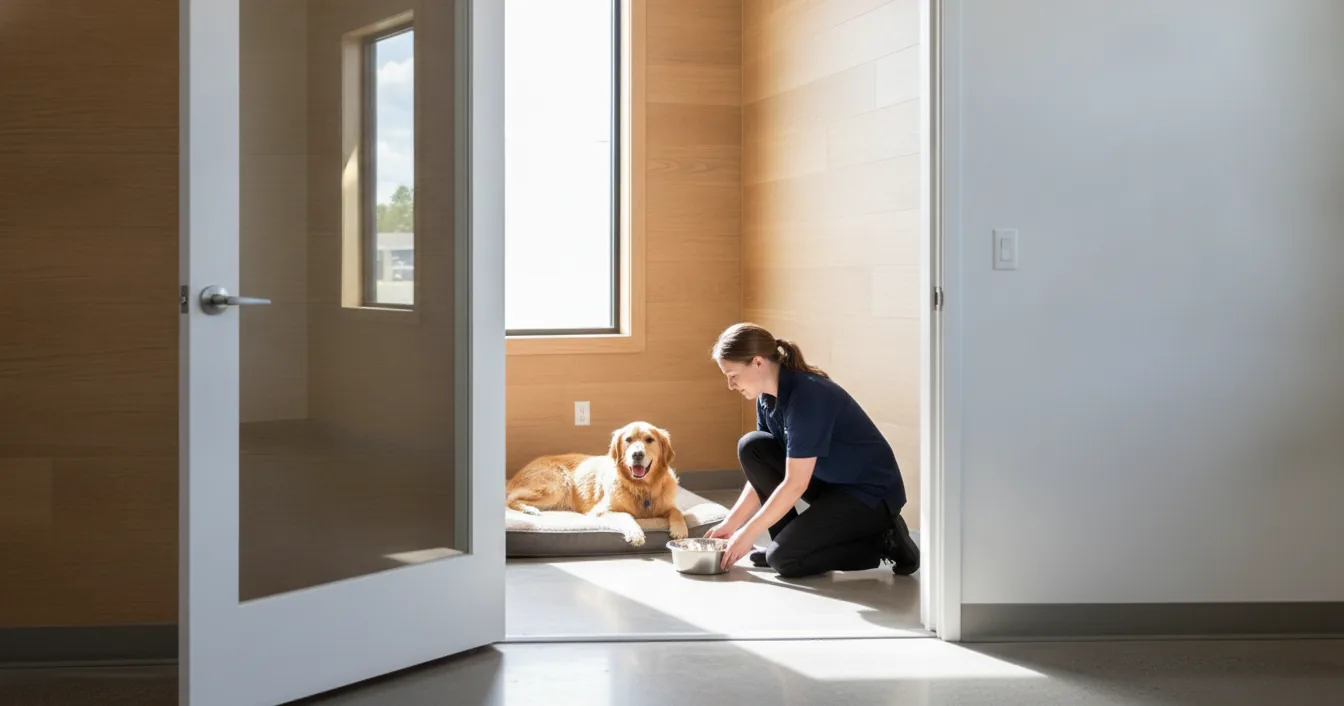
In May 2026, the Buncombe County Sheriff’s Office charged four employees of a boarding and training kennel in Swannanoa, North Carolina after two dogs died there. Necropsies on both animals, a pair of Siberian huskies, found no food in their gastrointestinal tracts and severe dehydration, and one had been dead for an extended period before anyone found it. Investigators said other animals on the property, including dogs, sheep, chickens, ducks, and degus, had also been deprived of food and had lost significant weight. All four people were charged with felony conspiracy and with altering or destroying evidence, and warrants allege that one of them washed a dead dog’s remains before investigators arrived. The charges are allegations and have not been tested in court.
One detail belongs in its own paragraph. The trainer facing misdemeanor cruelty counts was described on the business’s own website as using “humane, science-based methods.” Arrest warrants accuse her of striking a dog in the face with a metal bowl while filming herself, with the recording intended to show other staff how to handle docile dogs.
The distance between what a training program publishes about its methods and what actually happens to a dog nobody is watching is the specific problem with board-and-train. It is not that these programs are inherently dangerous. Plenty of them are excellent, and for some dogs they are genuinely the right call. It is that the structure of the product removes the safeguards that make ordinary overnight boarding self-correcting, and most owners vet a board-and-train the way they would vet a weekend kennel. That is the wrong checklist.
Why the Hybrid Model Concentrates Risk
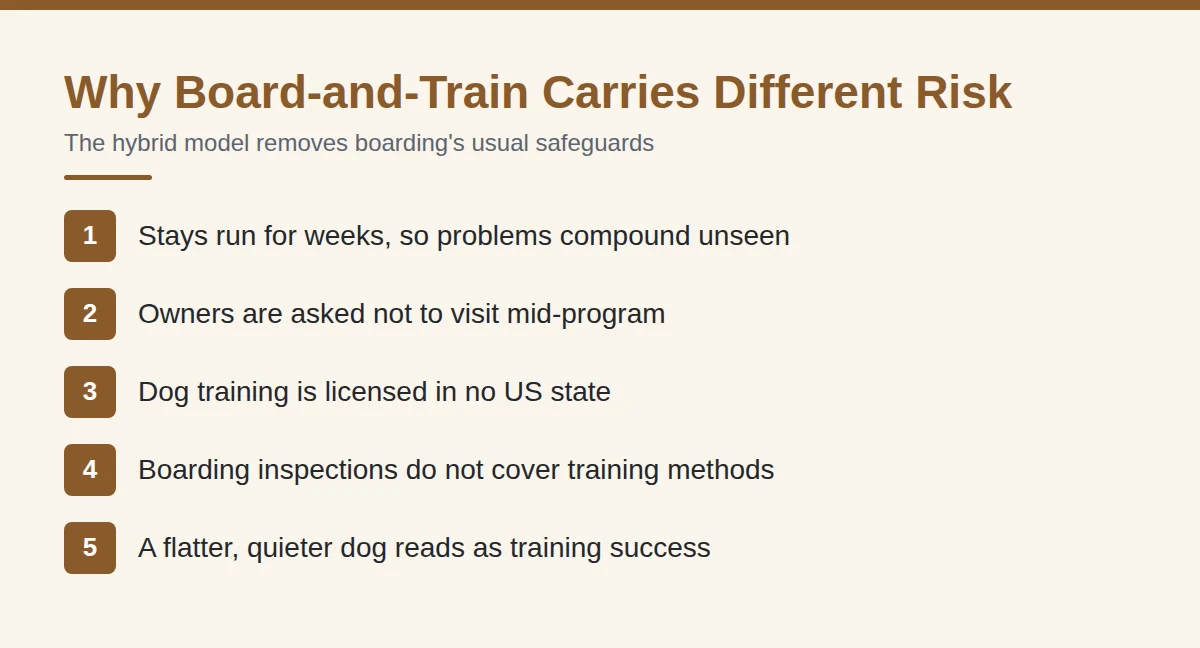
Four structural features make this category different from the kennel you use over Thanksgiving.
The stay is measured in weeks, not nights. A two-week or four-week program gives welfare drift room to compound. A dog boarding for three nights that goes off its food comes home a little thin and a lot happier. A dog three weeks into a program can lose serious condition before anybody outside the building sees it. Long stays also raise the baseline of kennel stress that every boarded dog carries, and stress suppresses appetite, which makes weight loss easier to explain away as normal adjustment.
You are asked to stay away. Most programs discourage or forbid mid-program visits, and the reasoning is not a scam. Repeated reunions genuinely can unpick a dog’s progress and reset its arousal. But the same policy that protects the training also removes the single most reliable check in boarding, which is an owner who turns up. In a normal kennel, drop-offs, pickups, and other clients’ visits mean strangers walk through the building constantly. In a residential training program, weeks can pass without an outside adult seeing where the dogs sleep.
Two regulatory regimes with a gap between them. Boarding kennels are licensed and inspected in most US states, with standards for space, sanitation, and record keeping. Dog training is licensed in none of them. Anyone may advertise as a dog trainer, and any trainer may invent a certification, name an academy after themselves, and issue credentials to their own graduates. When a business does both, the boarding side may be inspected while the training side, which decides how your dog is handled all day, answers to nobody.
The results are hard to attribute. Dogs come back from board-and-train changed. That is the point. When a dog returns quieter, flatter, more hesitant around hands, an owner has been primed for weeks to read that as calm and obedience. The behavior that should raise an alarm arrives pre-labelled as success.
Published Methodology, Not Marketing Language
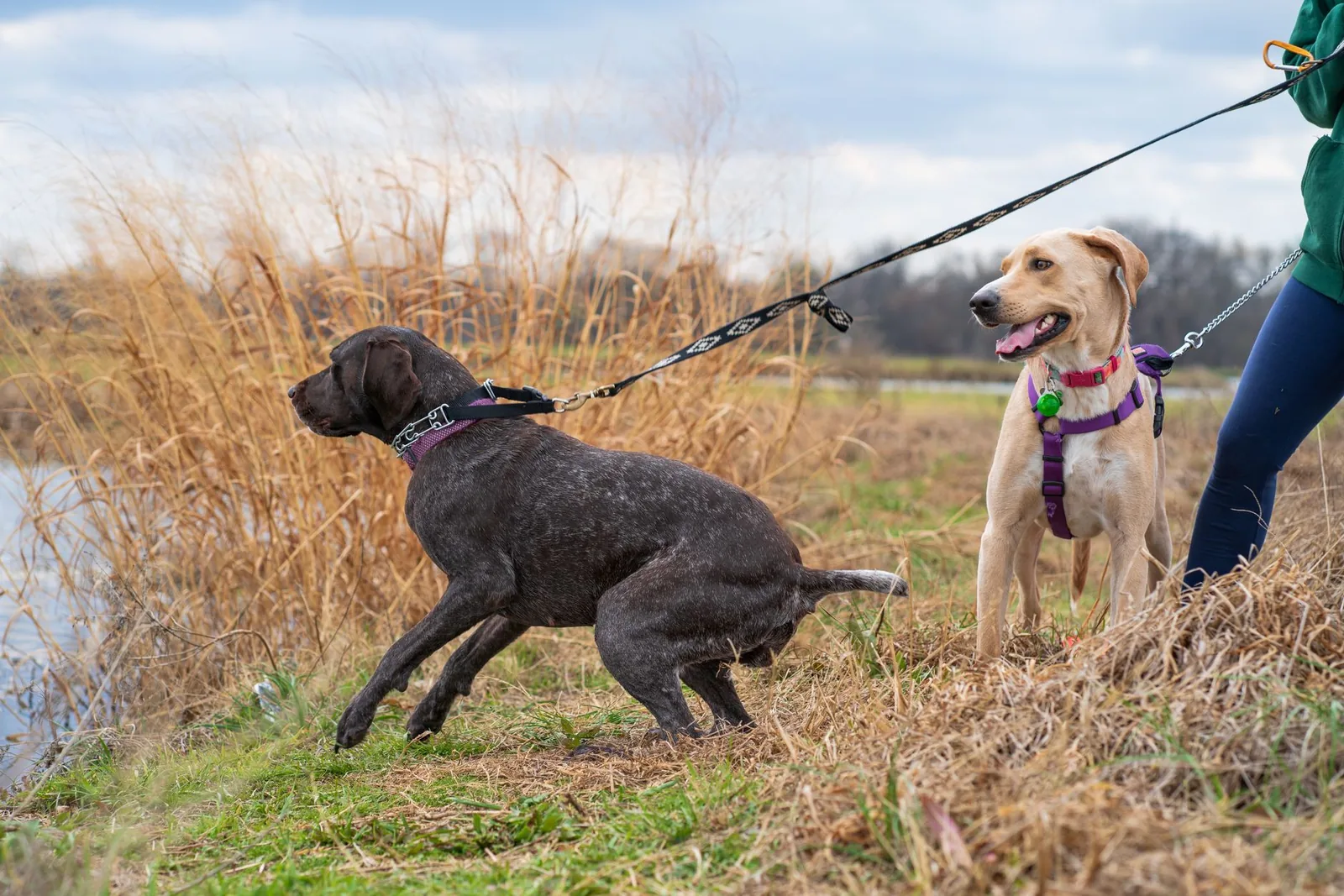
Ask what the program does when a dog does not comply, and insist on a concrete answer. “Balanced” is a real term of art and usually means the trainer uses corrections alongside rewards, often including prong or electronic collars. “Force-free,” “LIMA,” and “fear-free” describe programs built on reward-based methods with aversives off the table. All of these labels get used loosely, and as the North Carolina case shows, a website claim is not verification.
The American Veterinary Society of Animal Behavior’s position is that reward-based methods should be the standard of care, because punishment-based training carries documented risks of fear, anxiety, and aggression, particularly with dogs that are already anxious or reactive. If your dog is going into a program precisely because it is fearful or reactive, method matters more, not less, and our guide to boarding anxious and reactive dogs covers what a low-arousal setup should look like.

Questions that get past the marketing:
- What specific equipment will be on my dog, and at what point in the program?
- Show me a session with a dog currently in your program, not a highlight reel.
- What happens on a bad day, when the dog shuts down or refuses?
- Who handles my dog, and how many different people is that over three weeks?
Credentials That Actually Mean Something
A handful of independent bodies certify trainers against a published standard, require continuing education, and will take a complaint about a certificant. Those are the names worth checking:
- CCPDT (Certification Council for Professional Dog Trainers), which awards CPDT-KA and CPDT-KSA, requires recertification, and holds certificants to a least intrusive, minimally aversive standard.
- IAABC (International Association of Animal Behavior Consultants), whose CDBC and associated credentials involve case-based assessment rather than a multiple-choice exam alone.
- KPA (Karen Pryor Academy), whose CTP graduates complete a supervised, assessed program in reward-based training.
- DACVB, a board-certified veterinary behaviorist. If your dog’s problem is a genuine behavioral pathology such as separation anxiety or aggression with a bite history, that is a veterinary diagnosis, and no training program of any kind is a substitute for it.
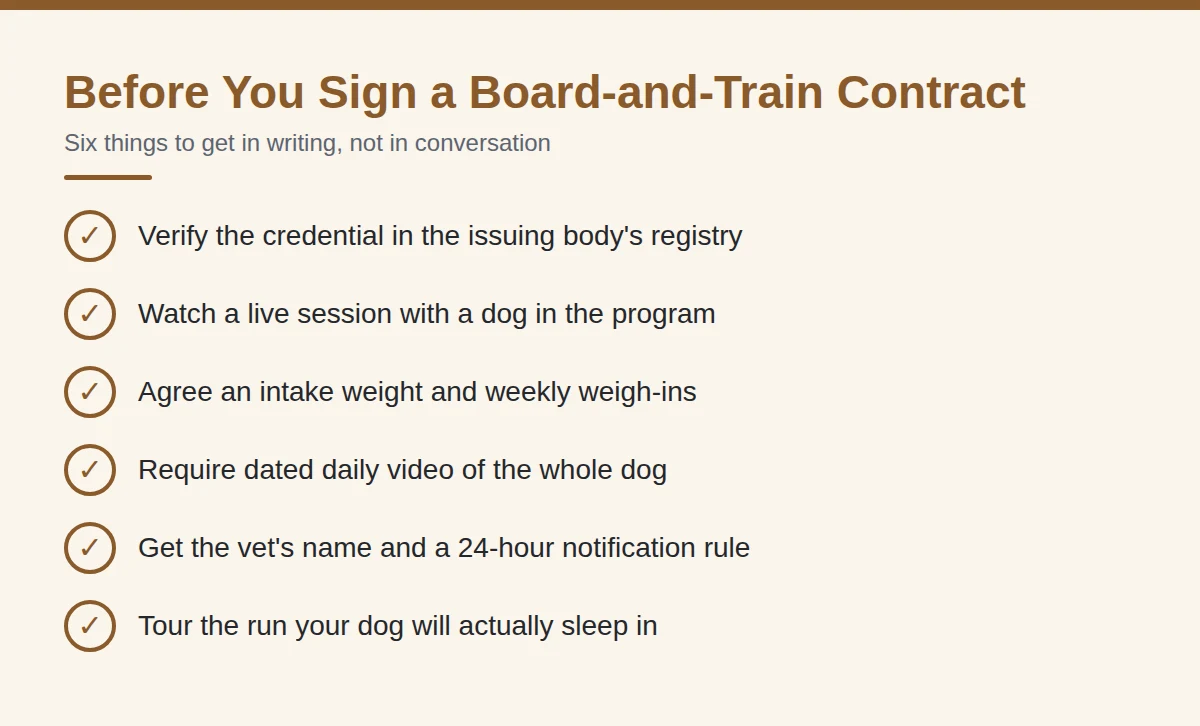
Then verify. CCPDT and IAABC both publish searchable directories of current certificants. A trainer who claims a credential should appear in the issuing body’s registry, and a credential issued by the trainer’s own school is a marketing asset rather than an independent check.
Contract Terms That Protect a Dog You Cannot See
Everything above is judgment. This part is not. These are terms you either get in writing or you do not, and a good program will already offer most of them.
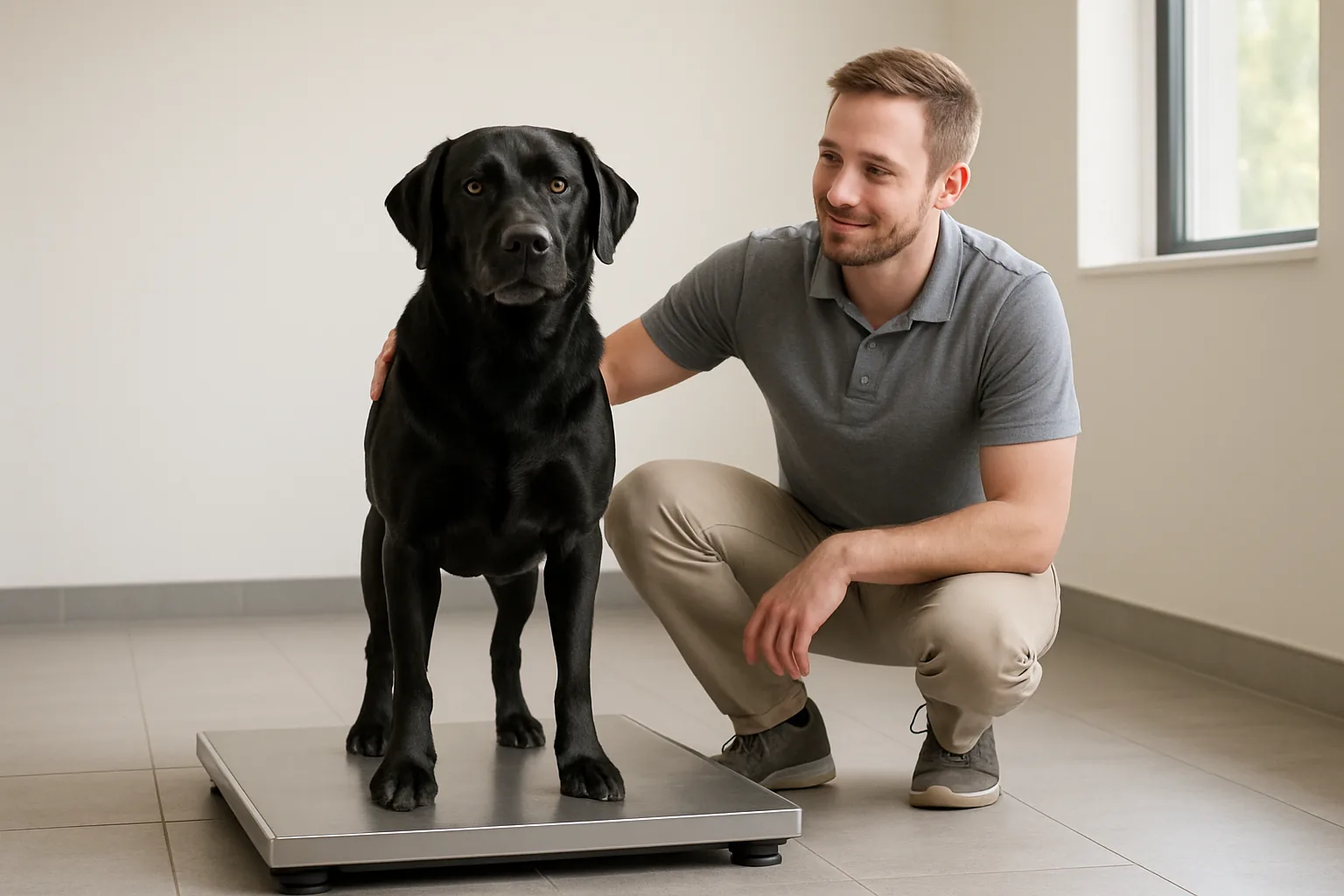
Weekly weigh-ins, recorded and reported. Weigh the dog at intake on the facility’s own scale, agree the number in writing, and require a weight on the same scale every week, sent to you. This is the single control that catches the failure mode in the North Carolina case, because starvation and severe undereating show up as numbers long before they are visible in a video. Ask the program to notify you and involve their veterinarian at a defined threshold, and treat a loss of more than about ten percent of body weight as a call-your-vet event rather than a talking point at pickup.
Daily video, as an obligation rather than an upsell. The video should be dated, show your dog’s whole body rather than a head-and-shoulders crop, and arrive whether or not the day went well. Live webcam access is better still where a facility offers it, because a curated clip only ever shows the minute the trainer chose. Watch condition, not tricks: is the waist there, is the coat holding, does your dog move the way it moved at drop-off, is it approaching the handler or leaning away.
A named veterinarian and a call-me rule. Get the practice name and number, written consent for emergency treatment with a cost ceiling, and an explicit term that you are told about any veterinary visit, injury, fight, or missed meal within 24 hours. Ask what happened the last time a dog in the program needed a vet. A program that has been running for years and has no such story is not telling you one.
Structured contact instead of a total blackout. A blanket ban on seeing your dog for three or four weeks is a red flag. The professional norm is scheduled handover or transfer sessions, usually starting in the second week, where you work your own dog under the trainer’s coaching. Those sessions are also how the training survives contact with your household, which is the part most programs quietly fail at.
Housing, feeding, and overnight staffing in writing. Who is on the property overnight and at weekends, how many dogs each person is responsible for, what your dog eats and who signs off that each meal was actually eaten, and what happens if the program ends early. Rural training properties often run other livestock alongside the kennel, which is fine, but it means the same small team is feeding a lot of animals.
See Where the Dogs Sleep
Tour the housing, not the training floor. Board-and-train dogs are frequently kept somewhere other than the boarding kennel a day-guest sees, in a back building, a converted barn, or on the trainer’s own residential property. Ask to stand in front of the actual run your dog will sleep in, at a time when dogs are in the building rather than out at turnout, and look at the dogs already in the program. Body condition, clean bedding, water in every run, and dogs that come forward to a stranger rather than shrinking to the back are all visible in ninety seconds.
If a program will not show you the housing, will not put weigh-ins in the contract, or explains a refusal by saying visitors disrupt the dogs, you have your answer. The same principle applies here as in every other corner of this industry: the operators who are doing it properly are pleased to be asked. Neglect and mistreatment at boarding follow recognisable patterns, and the pattern in the hybrid model is always the same, which is a long stay, an absent owner, and no independent record of the dog’s condition.
The Bottom Line
Board-and-train can be the right choice, and the good programs in this category do work that a weekly group class cannot. But you are handing over your dog for weeks, to an unlicensed profession, under a contract that asks you to stay away. That is a lot of trust, so make the program earn it on paper: a verifiable credential from a body that would take your complaint, a written methodology you have watched in person, weekly weights, daily unedited video, a named vet, and scheduled sessions where you handle your own dog. At pickup, keep watching. Appetite, weight, and demeanour over the following fortnight tell you what the last three weeks were actually like, and our guides to post-stay illness and the signs of mistreatment cover what to do if the answer is not the one you wanted.
Further reading (sources)
- WLOS on the Buncombe County charges against four kennel employees
- WYFF News 4 for the necropsy findings in the Swannanoa kennel case
- American Veterinary Society of Animal Behavior with its position statements on humane training and punishment
- Certification Council for Professional Dog Trainers on the Humane Hierarchy and LIMA standard its certificants must follow
- IAABC for what each behavior-consulting credential requires
- Certification Council for Professional Dog Trainers with the directory of certified trainers and what each credential means
- American Veterinary Medical Association covering what to weigh up before boarding your pet