How Dogs Die at Boarding Facilities: Every Fatal Risk and How to Vet Against It
Published on July 23, 2026

Millions of dogs board every year and come home happy. The deaths that reach the news are genuinely rare. Read together, though, they are strikingly repetitive. In roughly eighteen months, owners lost dogs to a hot cargo van, an unventilated shed, deliberate starvation, an overnight fire, a beating by an employee, and a clothes dryer. Six unrelated headlines, one shared structure underneath: in every case, a control that a well-run facility treats as non-negotiable was missing, broken, or switched off.
That is the useful part for you. These outcomes are not random bad luck, and they are not spread evenly across the industry. They cluster into a handful of failure modes, each with a known engineering or staffing fix. This guide takes them one at a time, shows what each looked like in a real case, and names the control that stops it, then ends with a checklist you can carry onto a tour.
Heat: The Fastest Killer
Heat is the failure mode that kills the most dogs at once and gives you the least warning.
In August 2025, 22 dogs were left inside a small shed at a boarding business in Argyle, New York, without water or ventilation, for about eleven hours. Twenty-one died. The owner told investigators she forgot to turn on the air conditioning. She pleaded guilty in May 2026 and, under the plea terms, cannot operate a boarding facility again unless the business demonstrates compliance with national standards (WNYT, 2026).
The second heat scenario is transport. In Kyle, Texas, two dogs spent several hours in the rear compartment of a cargo van that lacked adequate air conditioning and ventilation. They arrived dead at an Austin emergency clinic with body temperatures of 110°F, the highest reading the clinic’s thermometer could display. Former employees had warned the owner about unsafe transport conditions before the deaths (WOAI, 2026).

Dogs offload heat mainly by panting, which is a weak cooling system in a still, humid, enclosed space. A core temperature at or above roughly 105°F is already a veterinary emergency, and the window between distress and organ damage is measured in minutes. Flat-faced breeds have almost no margin at all, which is why boarding a Bulldog, Pug, or French Bulldog needs its own conversation.
The control is climate management that does not depend on one person remembering. Ask whether housing areas have temperature alarms that text or call a manager when a room drifts out of range, whether there is backup power or a second HVAC unit, and whether temperatures are logged rather than eyeballed. For transport, ask whether the dog compartment shares the cab’s climate system, whether anyone monitors it in transit, and what the maximum time a dog spends in a vehicle is.
Neglect: The Deaths That Take Days
In April 2026, two Siberian huskies died at a boarding and training kennel in Swannanoa, North Carolina. Necropsies found no food in their gastrointestinal tracts and severe dehydration, and one dog had been dead for an extended period before anyone acted. Other animals on the property had severe weight loss. Four employees were charged, all four with conspiracy and with altering, stealing, or destroying evidence (FOX Carolina, 2026).
Heat kills in minutes. Neglect takes days, which makes it the failure mode ordinary paperwork exposes best. A starving dog is visible at every single meal, and the only way it continues is if nobody with authority is reading the record.
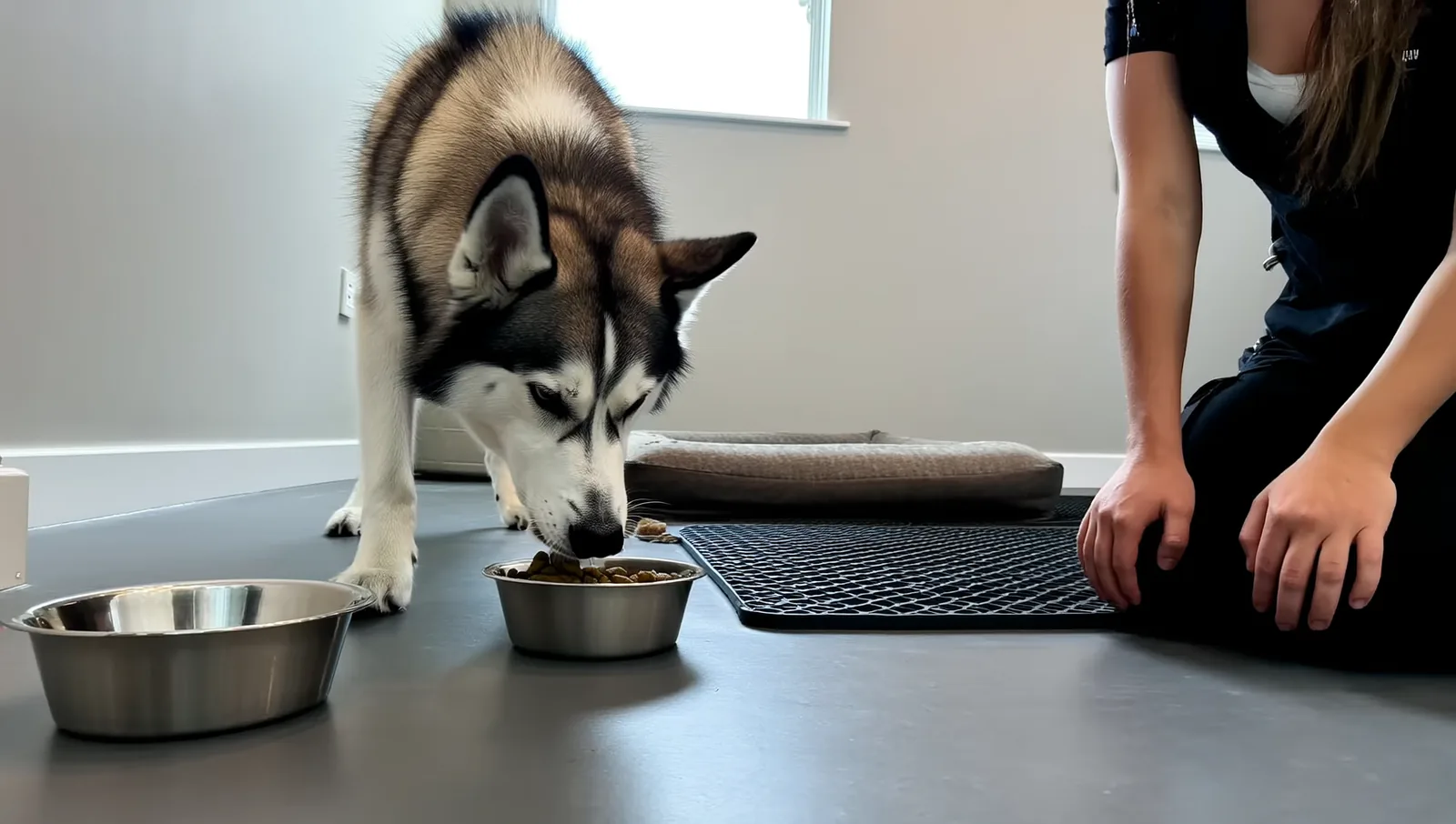
The control is per-dog documentation that someone independent reviews. Reputable facilities log each dog’s meals, water, and eliminations by name, weigh dogs at intake and discharge, and send owners a daily photo or note. Ask directly: what happens if my dog refuses two meals in a row? A good operator answers with a threshold and a name, calling you and calling their vet at a defined point. A vague “we’d keep an eye on him” means there is no threshold at all.
Fire: The Risk Nobody Is Watching
In April 2026, four dogs died in a fire at a kennels near Bampton in Devon. Crews were called shortly after 21:35 on a Sunday night. Fire is the deadliest boarding disaster precisely because it strikes in the unstaffed overnight hours, and confined dogs cannot let themselves out.
The essential controls are monitored detection that automatically summons the fire service rather than a wall siren nobody hears, sprinkler coverage in housing areas, fire-rated compartments instead of one open shed, and a written evacuation plan naming an overnight responder. Our boarding kennel fire safety guide covers the full set of questions.
One detail from the Texas case belongs here too. That owner falsely claimed to live on the property to provide continuous overnight oversight, and the facility had no fire suppression system at all. Overnight presence is a claim to verify, not to accept.
Insider Violence: The Person, Not the Building
In August 2025, an employee at a Ballard kennel in Seattle beat a boarded 65-pound black Labrador to death. He pleaded guilty to first-degree animal cruelty and was sentenced in April 2026 to a maximum of three months (KIRO 7, 2026). The dog’s owners had used that facility for years without a single incident.
That last sentence is the lesson. Reputation and good reviews did not predict this, and nothing on a tour would have. What established what happened was the security footage.
The controls here are camera coverage and access discipline. Ask which areas are recorded, and listen for whether the answer includes the places dogs are handled one-to-one: corridors, bathing and grooming rooms, isolation areas, and the transport loading point, not just the play yard on the public webcam. Ask how long footage is retained and whether an owner can request it, whether staff handle dogs alone out of camera view, how staff are background-checked, and whether keys, door codes, and badges are revoked the same day someone leaves. If your dog comes home changed, our guide to the signs a dog was mistreated at boarding covers what to look for and how to escalate.
Freak Physical Accidents
In late April 2026, a dog died in a clothes dryer at a boarding facility, a case that prompted state officials to publicly urge owners to research kennels more carefully before dropping a dog off (WRAL, 2026). Laundry equipment, kennel latches a determined dog can nose open, fencing gaps small dogs wedge into, unsecured sanitation chemicals, and open water on rural properties all sit in this category. These are the hazards a real walk-through catches, and our freak accident hazards guide is the tour checklist for them.
Medical Emergencies Handled Slowly
Not every death involves cruelty or negligence in the housing. Gastric dilatation-volvulus (bloat), heat stroke, a first seizure, or a fast-moving infection like strep zoo can kill an otherwise healthy dog within hours. What decides the outcome is response time, and response time is an operational question you can audit in advance.
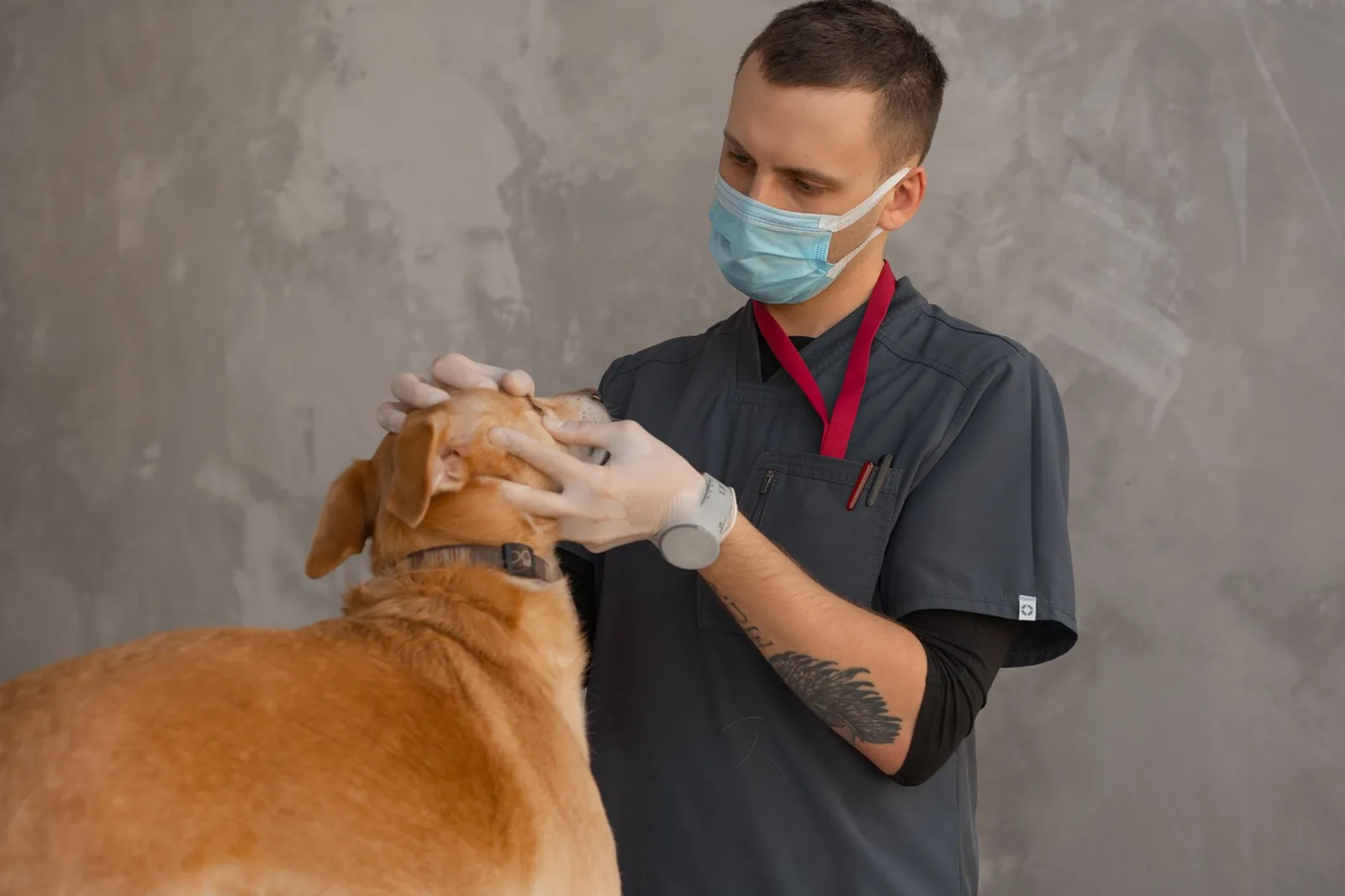
Confirm that you have signed a veterinary treatment authorisation with a spending limit you chose, that the facility names a specific 24-hour emergency hospital and knows the drive time, that somebody on call overnight is authorised to transport without waiting for the owner, and that a vehicle is actually available at 3am. If your dog is on medication, ask to see the administration log. Ask plainly when they call you versus when they simply go. Your own veterinarian is the right person to advise on your individual dog’s risk profile and what the authorisation should say.
The Pattern Behind All of Them
Across these cases, three things repeat.
- Warnings were ignored. Employees told the Texas owner the vans were unsafe before two dogs died in one.
- Claims were never verified. The same business advertised “kennel-free suite” accommodation that did not exist and an owner living on-site who did not.
- One person was the entire system. Twenty-one dogs died because a single human being forgot a single switch, with no alarm, no backup, and no second check behind them.
Redundancy is the difference between a bad day and a fatal one. Licensing is a floor rather than a guarantee, since several of these businesses were operating openly, so the specifics you get on a tour tell you far more than a certificate on the wall.
The Consolidated Vetting Checklist
Ask to see, in writing:
- The current licence or registration, plus the last inspection report
- The written fire and emergency evacuation plan, with a named overnight responder
- A sample daily care record for one dog (meals, water, eliminations, medications)
- The veterinary treatment authorisation form and the named emergency hospital
- Insurance covering animals in their care
Ask out loud, and expect specifics:
- Is anyone physically on site overnight? If not, who responds, and how fast?
- What temperature alarm covers the housing areas, and who does it call?
- What happens if my dog refuses two meals?
- Which areas are on camera, and how long is footage kept?
- Are dogs ever handled alone out of camera view?
- How are staff background-checked, and how is access revoked when they leave?
- If you transport dogs, is the rear compartment climate-controlled and monitored?
Walk and look for yourself: latch quality, fencing gaps, laundry and chemical storage, whether housing is one open volume or separate compartments, and whether staff can name the dogs in front of them. Our guide to choosing the right dog hotel covers the rest of the tour.
If the Worst Happens
Request the full written incident report and all care records immediately, in writing. Ask your veterinarian about an independent necropsy, often the only way cause of death is ever established. Report to local animal control and to the state agency that licenses boarding kennels, and file the complaint even if you pursue other routes too, because inspection histories are how the next owner gets warned. An attorney is the right person to advise on any civil claim.
None of this means boarding is dangerous. It means the safety of a given facility is knowable in advance, and the questions above are how you know it. Good operators answer them quickly and with numbers, because they have already spent the money to make every answer yes.
Further reading (sources)
- WNYT on the Argyle kennel owner’s guilty plea in 21 dog deaths
- WOAI for the two dogs who died in an unventilated cargo van
- FOX Carolina with the starvation case at a Swannanoa boarding kennel
- WTVC reporting the necropsy findings behind those charges
- KIRO 7 on the sentencing of the Ballard kennel employee
- WRAL Investigates for the state’s call to vet boarding kennels properly
- American Veterinary Medical Association with what to ask before boarding your pet
- National Fire Protection Association on fire and life safety in animal housing facilities