Senior Dog Boarding: What Older Dogs Need That Standard Kennels Often Miss
Published on June 19, 2026
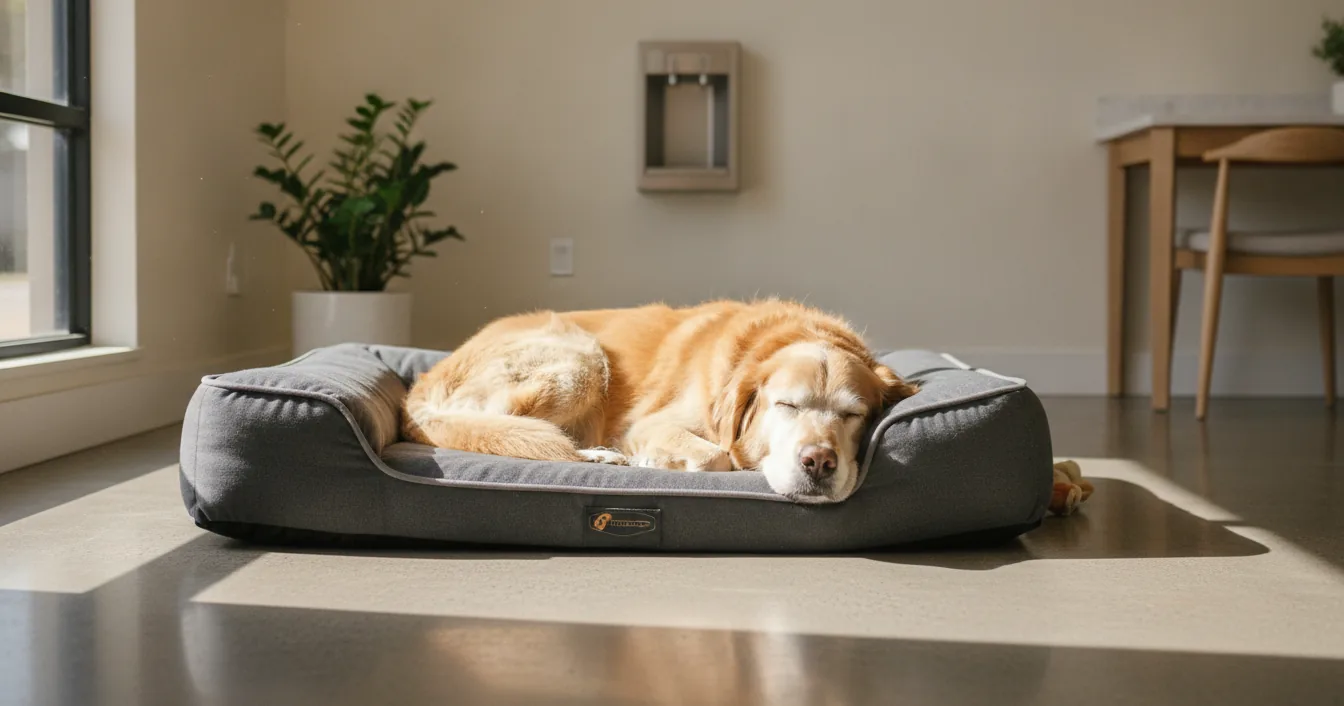
A dog that has boarded happily for years can reach a point where the same kennel, the same routine, and the same play schedule no longer fit. The dog has not changed its personality. It has aged. Senior dogs carry stiffer joints, slower digestion, thinner temperature control, and often a medication list, and a boarding setup built around healthy young adults can quietly work against all of that. Boarding an older dog well is less about luxury and more about adjustment. Here is what changes as a dog ages, what a standard kennel routine tends to miss, and how to tell whether a facility is ready for a grey muzzle.
When Your Dog Becomes a Senior
There is no single birthday that flips a dog into old age, because size drives the timeline. As a rough guide, large breeds are often considered senior around age seven, while small breeds may not reach that stage until ten or eleven. Giant breeds age fastest of all and can be seniors by five or six. A useful way to think about it is that a dog enters its senior years in roughly the last quarter of its expected lifespan.
What matters for boarding is not the label but the changes underneath it: reduced mobility, weaker temperature regulation, slower recovery from stress, and a higher chance of chronic conditions like arthritis, kidney disease, heart disease, or cognitive decline. Two dogs of the same age can need very different care, so the honest starting point is your own knowledge of your dog plus a recent word from your veterinarian.
Give the Arrival More Time
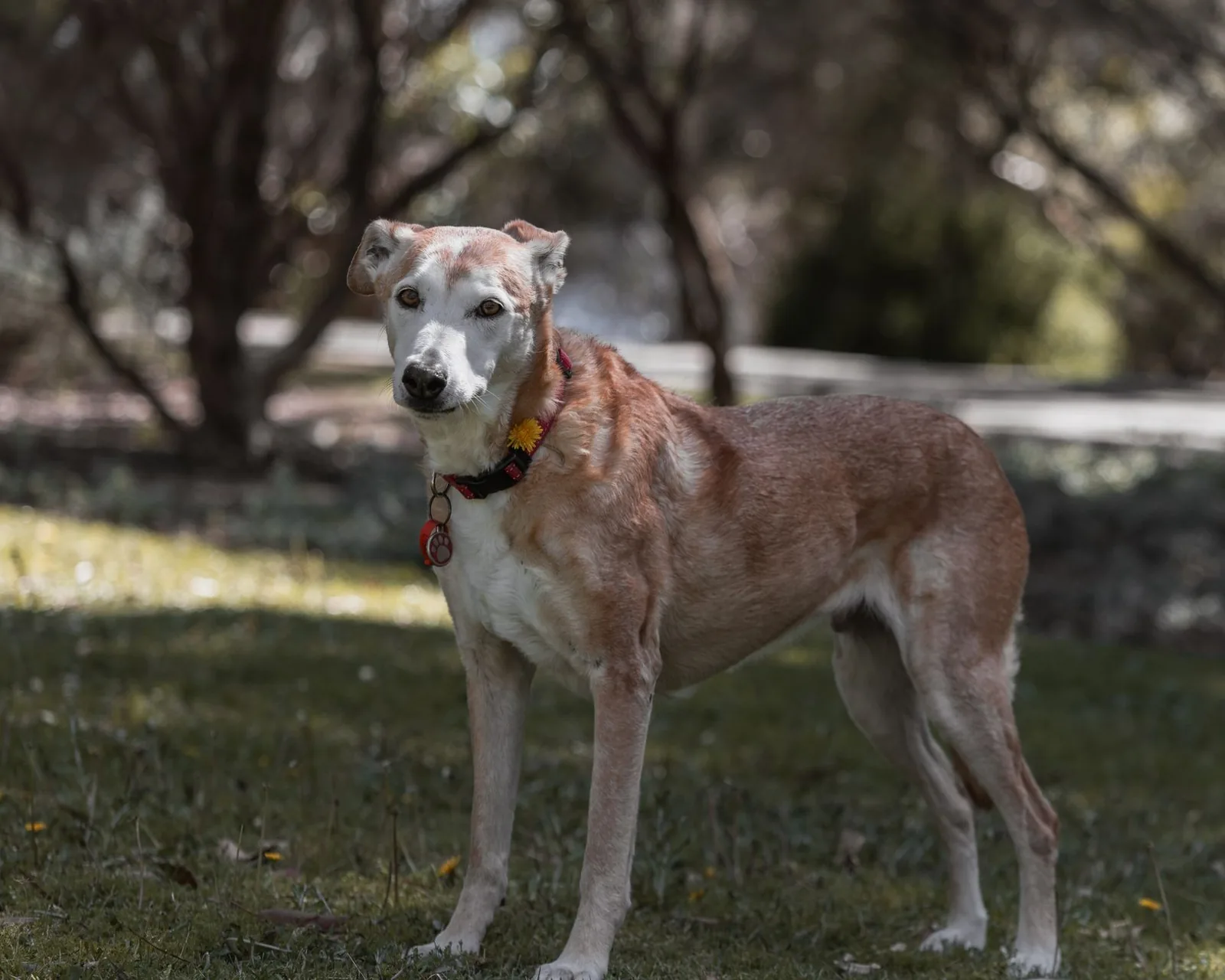
Younger dogs tend to bounce into a new environment and settle within a day. Older dogs often need longer, and some carry a degree of canine cognitive dysfunction that makes an unfamiliar place genuinely disorienting, especially after dark. A rushed check-in, straight from the car into a noisy kennel run, is the worst version of the experience for them.
The better pattern is a slow transition. A trial day visit before an overnight stay lets the dog map the place while you are still in the picture. At drop-off, unhurried time to sniff and settle, a familiar bed and a worn t-shirt that smells of home, and placement away from the loudest, most boisterous dogs all help. Many of the same calm-handling principles that suit flat-faced and other special-needs dogs apply just as much to a senior. Ask whether staff can give a new older guest a quieter corner rather than the busiest aisle.
Joint-Friendly Bedding and Safe Footing
Arthritis is one of the most common conditions of old age, and a hard kennel floor with a thin mat is a poor place for sore joints to spend the night. A senior dog needs genuine orthopedic bedding, thick enough that elbows and hips are not pressing on concrete, and enough of it that the dog can stretch out fully.
Footing matters just as much. Polished concrete and smooth tile become a hazard for a dog whose back legs are already unsteady, and a slip can cause an injury that a younger dog would have shrugged off. Look for non-slip flooring, rubber matting, or runners along the routes the dog walks every day. Ramps instead of steps, ground-level suites rather than stacked crates, and short, even paths to the potty area all reduce the daily strain on aging joints. These quiet structural details separate a facility that has thought about older dogs from one that simply accepts them.
Medication Schedules That Hold
For many senior dogs this is the single most important question. A missed or mistimed dose of insulin, a heart medication, an anti-seizure drug, or a pain reliever is not a minor slip, and some of these schedules are unforgiving down to the hour. A standard kennel that hands out medication “with breakfast and dinner” may be fine for a daily supplement and badly wrong for a diabetic dog on a strict insulin clock.
Before you book, ask exactly how medication is logged and double-checked. A facility that takes this seriously will write down each dose with a time and the initials of the person who gave it, store refrigerated drugs properly, and be comfortable with pilling, eye drops, or even injections if your dog needs them. Send medications in their original labeled packaging, write out a clear schedule, and confirm there is no surprise surcharge that might tempt a corner to be cut. If your dog’s regimen is complex, that is a conversation to have with both the facility manager and your veterinarian well before drop-off.
Shorter, Quieter Exercise Blocks
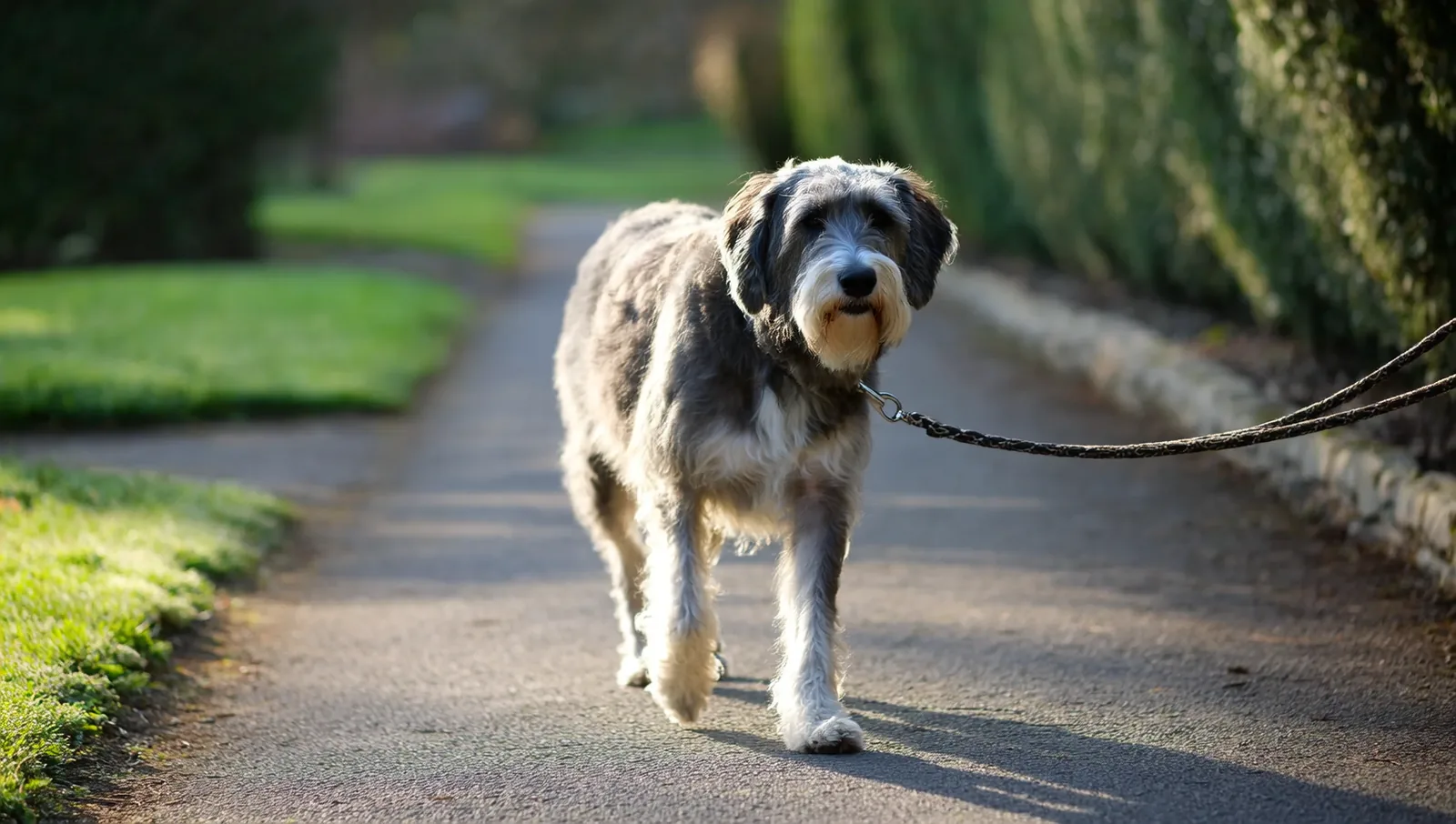
A senior dog still benefits from movement, and gentle activity actually helps stiff joints, but the dose is different. Long open-group play sessions that suit a young Labrador can leave an older dog sore, overheated, or overwhelmed. Rough play with bouncy youngsters also risks a collision that an arthritic dog cannot absorb.
The right rhythm is several short, calm outings rather than one long burst: easy leashed walks, gentle sniff-time in a quiet yard, and plenty of rest in between. Older dogs also handle heat and cold less well, so outdoor time should track the weather closely. If the facility uses outdoor play yards, remember those spaces carry their own parasite exposure, which matters more for a dog whose immune system has slowed. A good facility will tailor the day to the dog in front of it instead of running every guest through the same schedule.
The Changes Worth Watching: Appetite, Water, and Bathroom Habits
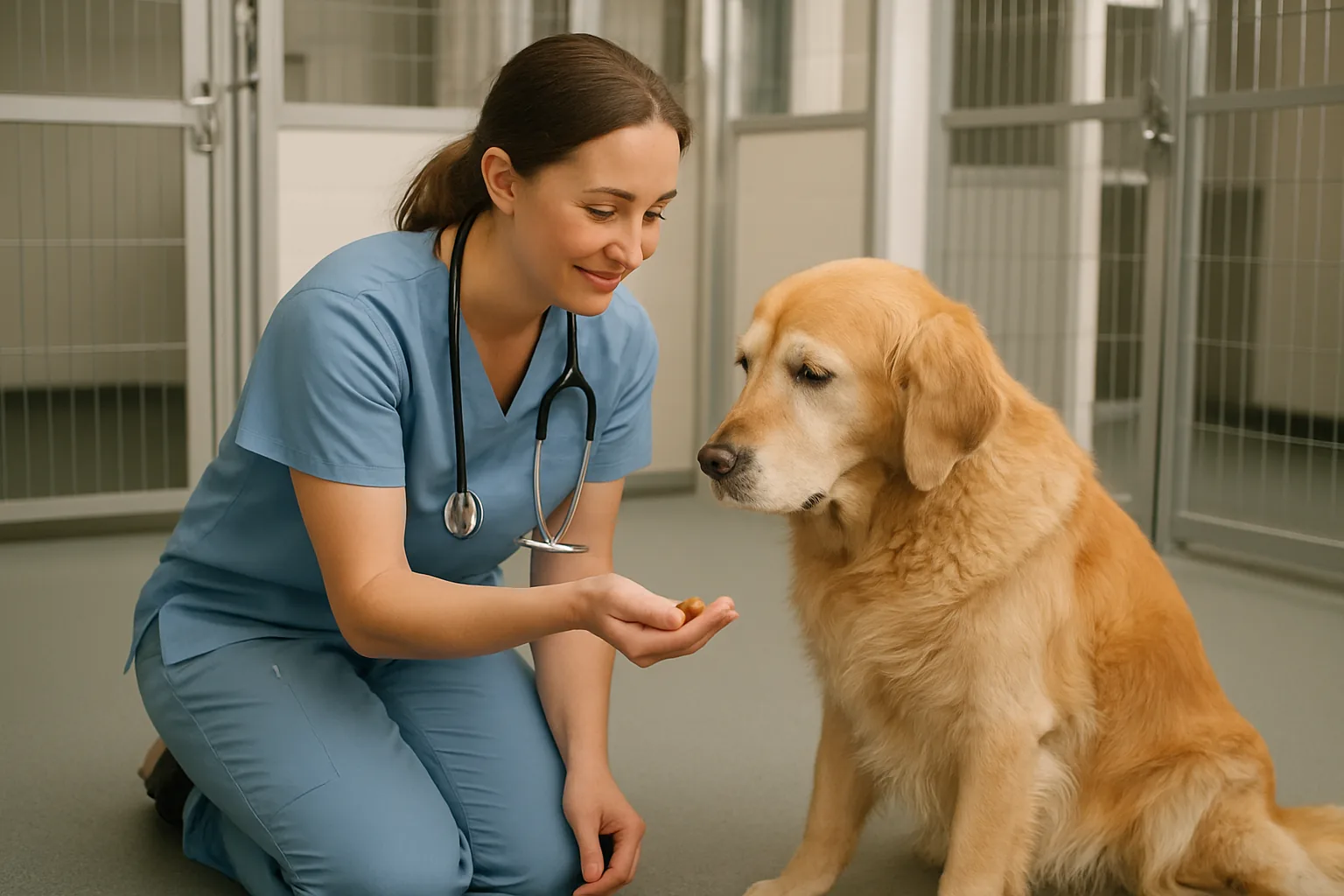
In a young dog, skipping a meal or two during a boarding stay is usually just nerves. In a senior, the same signs carry more weight and should be caught faster. A drop in appetite, a noticeable change in how much the dog drinks, vomiting, diarrhea, straining, or accidents from a normally house-trained dog can all point to something that needs attention, sometimes urgently in a dog with kidney or other chronic disease.
This is where daily monitoring and good records earn their keep. Ask whether staff track each dog’s eating, drinking, and bathroom output, and how quickly they would call you if something looked off. Webcam access lets you check on an older dog’s comfort and energy yourself, which is reassuring on a longer stay. Agreeing in advance on what counts as “call me now” removes any guesswork in the moment.
Loop in Your Veterinarian Before You Go
A senior dog with any chronic condition should not be boarded on a handshake. Schedule a check-up before a longer stay so you know your dog is fit to board and so vaccinations are current. Older dogs can be more vulnerable to infectious illness in a group setting, which makes the facility’s health requirements, including protection against kennel cough and other respiratory disease, worth taking seriously rather than treating as red tape.
Give the facility written notes on your dog’s conditions, medications, normal appetite and habits, and the warning signs to watch for. Make sure they have your veterinarian’s contact details and your written consent for emergency treatment, including a spending limit and a backup decision-maker if you are unreachable. Confirm which emergency clinic they use after hours. Decisions about your dog’s specific health, fitness to board, and medication needs belong to a licensed veterinarian, not a kennel, so make that partnership explicit before you leave.
The Tour Questions That Tell You the Truth
On a tour, a handful of specific questions quickly separate a facility that is genuinely ready for an older dog from one that is not:
- What bedding and flooring do you provide, and how do you handle a dog with stiff or unsteady joints?
- Exactly how do you log and verify medications, and who is responsible for each dose?
- How would you adjust exercise and play for a senior who cannot keep up with the group?
- Do you track eating, drinking, and bathroom habits daily, and at what point would you call me?
- What is your emergency plan, and which veterinarian and after-hours clinic do you use?
Confident, specific answers, ideally from staff who can describe how they have cared for an older dog before, tell you a great deal. Vague reassurance tells you the opposite.
A good dog hotel can absolutely give a senior dog a safe, comfortable stay. It simply has to slow down, soften the surfaces, keep the medication clock honest, and watch a little more closely. Our broader guide to choosing the right dog hotel covers the basics every owner should check; for an older dog, treat the points above as the layer you add on top. The reward is leaving for your trip knowing your oldest, most trusting companion is in hands that understand what those grey hairs really mean.
Further reading (sources)
- American Veterinary Medical Association on how care needs shift for senior pets
- AAHA on the 2023 senior care guidelines for dogs and cats
- American Kennel Club with advice on caring for an aging dog
- VCA Animal Hospitals for recognising and managing arthritis in dogs
- Peer-reviewed research with cognitive dysfunction data from the Dog Aging Project