Boarding Brachycephalic Breeds: A Safety Guide for Bulldog, French Bulldog, Pug, and Boston Terrier Owners
Published on May 21, 2026
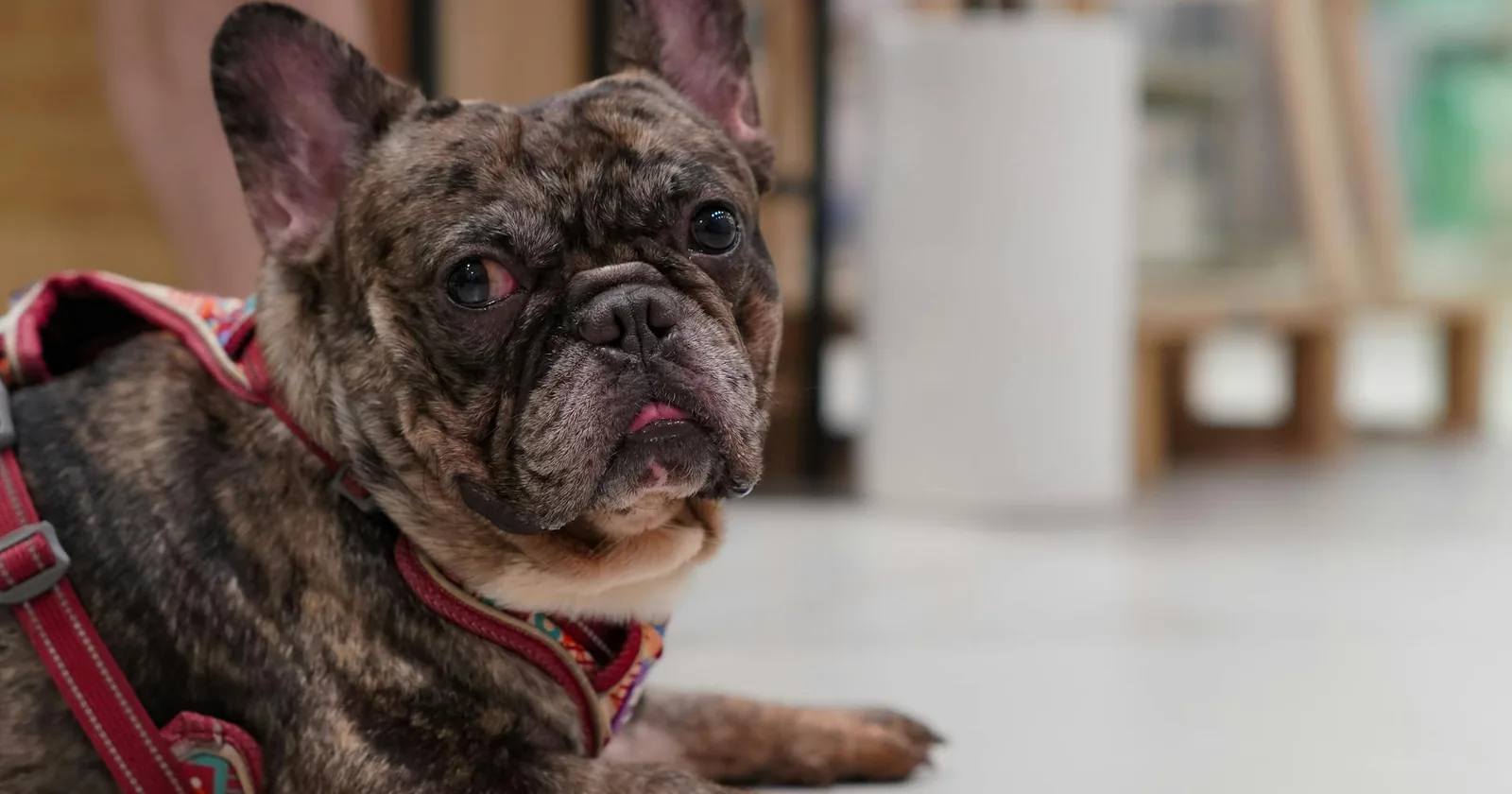
Brachycephalic breeds, the flat-faced dogs like the English and French Bulldog, the Pug, and the Boston Terrier, are among the most popular companions in the country. They are also built in a way that makes a routine boarding stay genuinely risky. The same short skull that gives these dogs their appealing faces also crowds the soft tissue of the airway, so the heat, stress, and exertion a Labrador shrugs off can tip a flat-faced dog into a breathing emergency. Boarding one of these dogs safely is not the same job as boarding any other breed. Here is what changes, and how to tell whether a facility actually understands the difference.
What BOAS Means for a Boarding Stay
Most brachycephalic dogs live with some degree of brachycephalic obstructive airway syndrome, usually shortened to BOAS. Narrowed nostrils, an overlong soft palate, and a windpipe that is often smaller than the body would suggest all mean the dog works harder for every breath, even lying still. Panting is the engine of canine temperature control, and a dog that cannot move air freely cannot cool itself well either.
That is the part of boarding that worries veterinary specialists most. Stack three ordinary boarding moments on top of a compromised airway, the excitement of a new place, a warm room, and a burst of play, and a BOAS dog can move from noisy breathing to real distress within minutes. The warning signs every caregiver should recognise are breathing that grows louder or raspier and will not settle, gums or tongue turning blue, grey, or purple, heavy drooling, retching, frantic anxiety, and finally collapse. Any one of these is an emergency. Because BOAS severity varies so much between individual dogs, have your own veterinarian assess your dog before a long stay and pass that information to the facility.
Climate Control Is a Medical Requirement, Not a Perk
For a flat-faced dog, a climate-controlled room is closer to medical equipment than to a comfort upgrade. Aim for indoor temperatures held steadily in the high 60s to low 70s Fahrenheit (roughly 20 to 23 Celsius), with humidity kept moderate, because damp air makes panting far less effective at shedding heat.
Ask the facility two pointed questions. First, what temperature is held overnight and through the hottest part of the afternoon, when staff may be thin on the ground? Second, what happens when the cooling system fails? A real answer means a backup generator or a second independent cooling unit, not a propped-open window and good intentions. Summer power cuts are exactly the moment a brachycephalic dog is most exposed, so a facility that has not planned for one has not planned for your dog.
Why Open Group Play Often Backfires
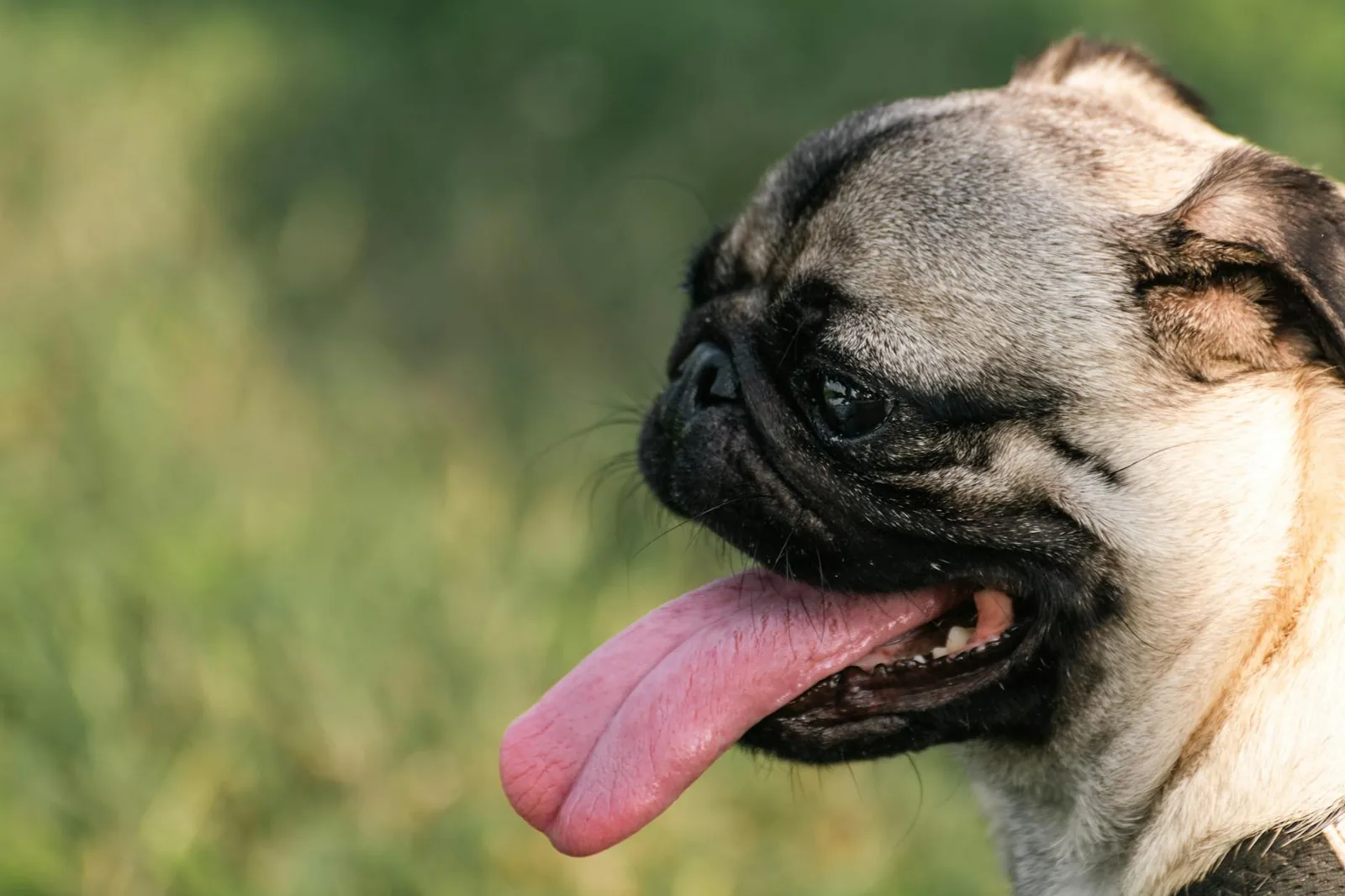
Group daycare is a headline feature at many dog hotels, and for a young retriever or a collie it is a fine way to burn the day. For a lot of brachycephalic dogs it is the wrong setting. The issue is not temperament, since Frenchies and Pugs are usually sociable and keen, it is stamina and self-regulation. A flat-faced dog will often keep chasing and wrestling well past the point its airway can support, because the excitement of the group drowns out the discomfort that would otherwise make it stop.
The safer approach is short, calm, supervised play in a cool space, ideally one-on-one or in a tiny group of similar, low-key dogs, broken up with deliberate rest. A facility that funnels every guest through the same open play yard regardless of breed has not thought this through. The principles behind good day camp play groups, matching dogs by size, energy, and temperament, matter even more for a breed that cannot afford to overdo it.
Watching Breath and Sleep Through the Night
Brachycephalic dogs sleep badly, and a boarding kennel rarely improves matters. The airway obstruction that troubles them awake tends to worsen when the muscles relax in sleep, and many flat-faced dogs have a form of sleep-disordered breathing that fragments their rest. You may notice a Bulldog dozing propped upright instead of flat on its side, or a Pug holding a toy in its mouth as it sleeps. Both are the dog quietly working to hold its own airway open.
Loud, laboured snoring is not a charming quirk in this context. It is a sign of obstruction worth monitoring, and it can mean a dog is not getting restorative sleep at all. A facility that understands the breed checks on brachycephalic guests overnight rather than assuming a quiet kennel is a settled one. Ask whether overnight staff are on site and how often they look in. If the hotel offers webcam access, use it to watch how your dog actually breathes while it rests.
Feeding to Avoid the Regurgitation Risk
The flat-faced build affects the gut as well as the lungs. Many brachycephalic dogs live with chronic regurgitation, and some have a hiatal hernia, both linked in part to the effort of breathing against an obstruction. A dog that eats fast gulps air along with its food, and a meal that comes straight back up carries a real risk of being inhaled into the lungs.
Good feeding practice for these breeds is specific. A slow-feed bowl or a puzzle feeder paces the meal so the dog cannot bolt it. Smaller portions split across the day are easier to keep down than one or two large servings. After eating, the dog should stay calm and upright for a while rather than being turned straight out to play. Send your dog’s own food and written feeding notes, and treat a facility that asks for that detail as one that is paying attention.
Pacing Exercise and Bathroom Breaks
Brachycephalic dogs still need to move and toilet on a sensible schedule, but on their own terms. Short, leashed, low-key walks during the cooler hours, early morning and after dusk, are far safer than a long outing in the middle of a warm day. Bathroom breaks at midday should happen in shade or air conditioning, kept brief.
One detail matters more for these breeds than for almost any other: a harness rather than a neck collar. A collar presses directly on a windpipe that is already narrow, and on a brachycephalic dog that pressure can turn an ordinary walk into a struggle for air. Staff should also be told to read the dog rather than the schedule. A flat-faced dog that wants to lie down and rest should be allowed to, every time.
The Tour Questions That Tell You the Truth
Plenty of facilities will happily take a booking for a Frenchie or a Pug. Far fewer have genuinely adapted their care. On a tour, a handful of specific questions will separate the two:
- What indoor temperature do you hold, and what is your backup if the cooling system fails?
- How do you exercise flat-faced dogs, and would mine be placed in open group play?
- Are overnight staff on site, and how often are brachycephalic dogs checked while they sleep?
- What feeding options do you offer for a dog that needs slow, small, frequent meals?
- What is your emergency plan, and which veterinarian do you use, if a dog shows breathing distress?
Vague or surprised answers tell you the facility accepts the breed without understanding it. Specific, confident replies, ideally from staff who can describe a BOAS dog’s warning signs without being prompted, tell you the opposite. Our broader guide to choosing the right dog hotel covers the general checklist every owner should run through. For a flat-faced dog, treat the points above as non-negotiable on top of it. Whatever facility you pick, learn the signs that a stay went wrong so you can check your dog over carefully at pickup.
A well-run dog hotel can absolutely keep a Bulldog, French Bulldog, Pug, or Boston Terrier safe and comfortable. It simply has to be willing to do the extra work: cool rooms, calm play, watchful nights, and careful meals. Your job is to find the facility that already does, and to be honest with both that facility and your veterinarian about your own dog’s limits before you ever book.
Further reading (sources)
- Royal Veterinary College on how researchers study health in flat-faced breeds
- The Kennel Club for the Respiratory Function Grading Scheme that grades BOAS severity
- American College of Veterinary Surgeons with a clinical overview of brachycephalic syndrome
- American Veterinary Medical Association on warm-weather safety and heat risk for dogs
- VCA Animal Hospitals with client guidance on brachycephalic airway syndrome
- American Kennel Club for a breed profile of the Boston Terrier