Freak Accident Hazards at Dog Boarding: Dryers, Latches, Fencing Gaps, and the Tour Questions That Surface Them
Published on May 28, 2026
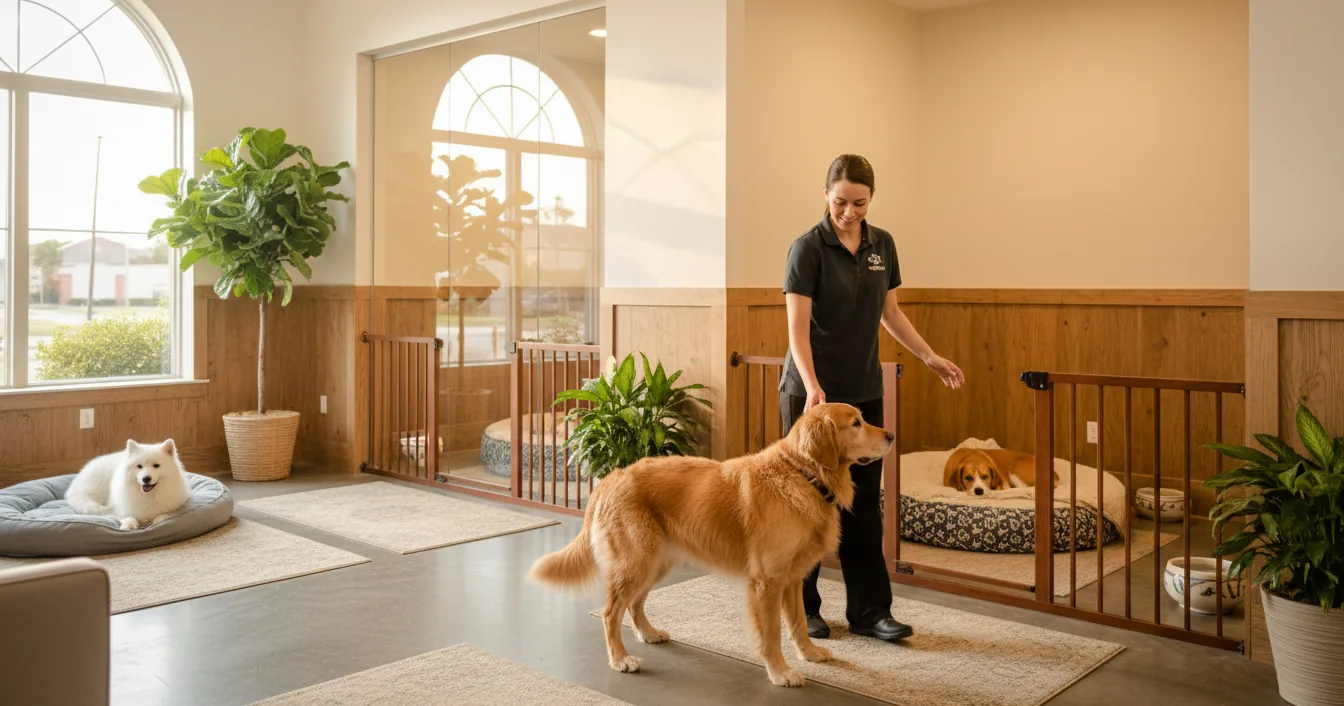
In March 2026, a dog named Reagan died at a boarding facility in Forsyth County, North Carolina. According to state documents, Reagan jumped unseen into a clothes dryer while a staff member was loading laundry. The machine ran a full cycle, and the dog was found roughly 80 minutes later when it was emptied. The facility was fined $1,800, and its owner called the death “a tragic and highly unusual accident” (WRAL, 2026).
It was unusual. It was also preventable. Ahead of the summer boarding rush, North Carolina’s Animal Welfare Director used the case to press one plain point: research a facility before you book, and insist on walking through it yourself.
This guide is about the category of risk Reagan’s death belongs to. Not cruelty, and not the fires, storms, and medical crises a good emergency plan should already cover, but the freak physical accidents that happen on an ordinary working day. A dryer left open. A latch a dog can nose. A gap in a fence. A bucket of disinfectant within reach. A pond no one fenced off. Most of these hazards are visible on a tour if you know what you are looking at. Here is what to look for, and the yes-or-no questions a good operator will be glad you asked.
The Laundry Room Is a Working Hazard
Boarding facilities run laundry constantly: bedding, towels, the soft stuff that comes out of every kennel. That means commercial washers and dryers cycling all day, often in a room staff move through with armfuls of warm linen. A tumbling drum is dark, warm, and just the right size, and a curious or anxious dog can slip into one in the second a worker turns away. Reagan’s death was exactly this scenario.
The fix is mundane, and it is the operator’s job, not the dog’s. In a well-run facility:
- The laundry area is physically separated from where dogs are housed and handled, behind a door that stays shut.
- Dogs are never loose in the laundry room, not even briefly, not even the easy ones.
- Staff are trained to check the drum before every cycle and to keep washer and dryer doors closed when the machines are not in active use.
On a tour, ask to see where laundry is done and how it is kept apart from the animals. An operator who has thought about this will answer without hesitation.
Latches and Gates a Determined Dog Can Beat
Dogs are escape artists, and a frightened or bored one has all day to work a problem. Simple gravity latches, slide bolts at nose height, and gates that do not self-close are how a dog ends up loose in a corridor, in another dog’s run, or out an exterior door. An escape is rarely the whole accident. It is the first domino, putting the dog somewhere it can get into a fight, a chemical store, or the parking lot.
Good facilities design against the determined nose:
- Two barriers between any dog and the outside world, often called double-gating or an airlock, so one failed latch does not put a loose dog on the street.
- Latches that are spring-loaded or otherwise dog-proof, mounted where a muzzle cannot flip them.
- Gates that swing shut and latch on their own rather than relying on a busy person to remember.
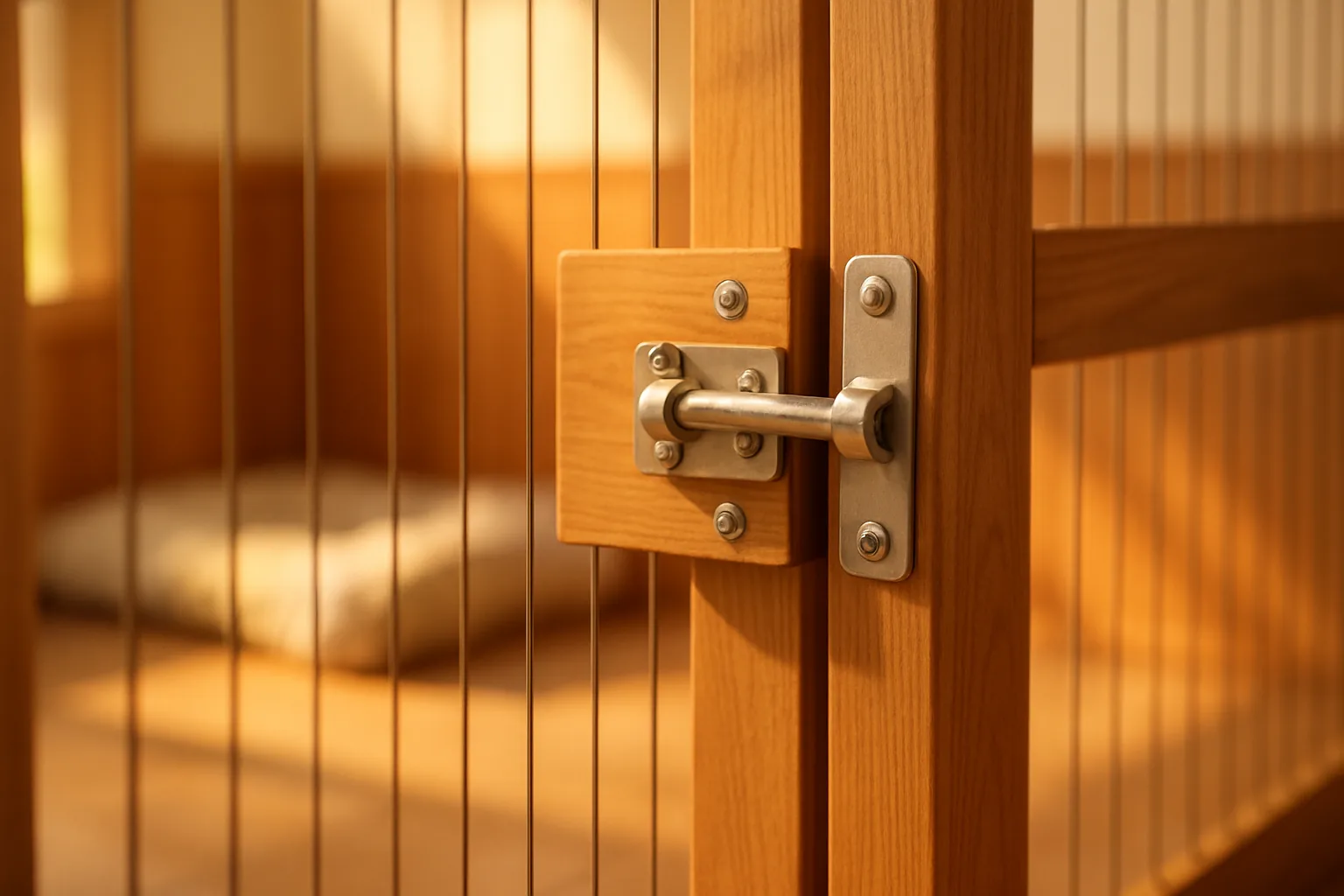
Ask how a dog that slips its run is contained before it reaches an exit. The answer tells you whether containment was designed or left to luck.
Fencing Gaps and the Small-Dog Problem
Outdoor runs and play yards are where size matters most. A fence built with a Labrador in mind can have gaps a Chihuahua walks straight through, or a few inches under a gate that a digging terrier turns into a tunnel. Small dogs wedge through, mid-size dogs climb chain-link like a ladder, and a determined digger goes under anything not anchored to the ground.
What a careful operator gets right:
- Mesh and gate spacing tight enough for the smallest guest on the property, not the average one.
- A ground-level barrier (a concrete curb, a buried apron, or an L-footer) so dogs cannot dig out under the fence line.
- Height and an inward overhang suited to the athletic breeds, with climbers and jumpers housed and exercised accordingly.
- Separate yards, or staggered turnout, so a toy breed never shares a fence-line failure with a giant one.
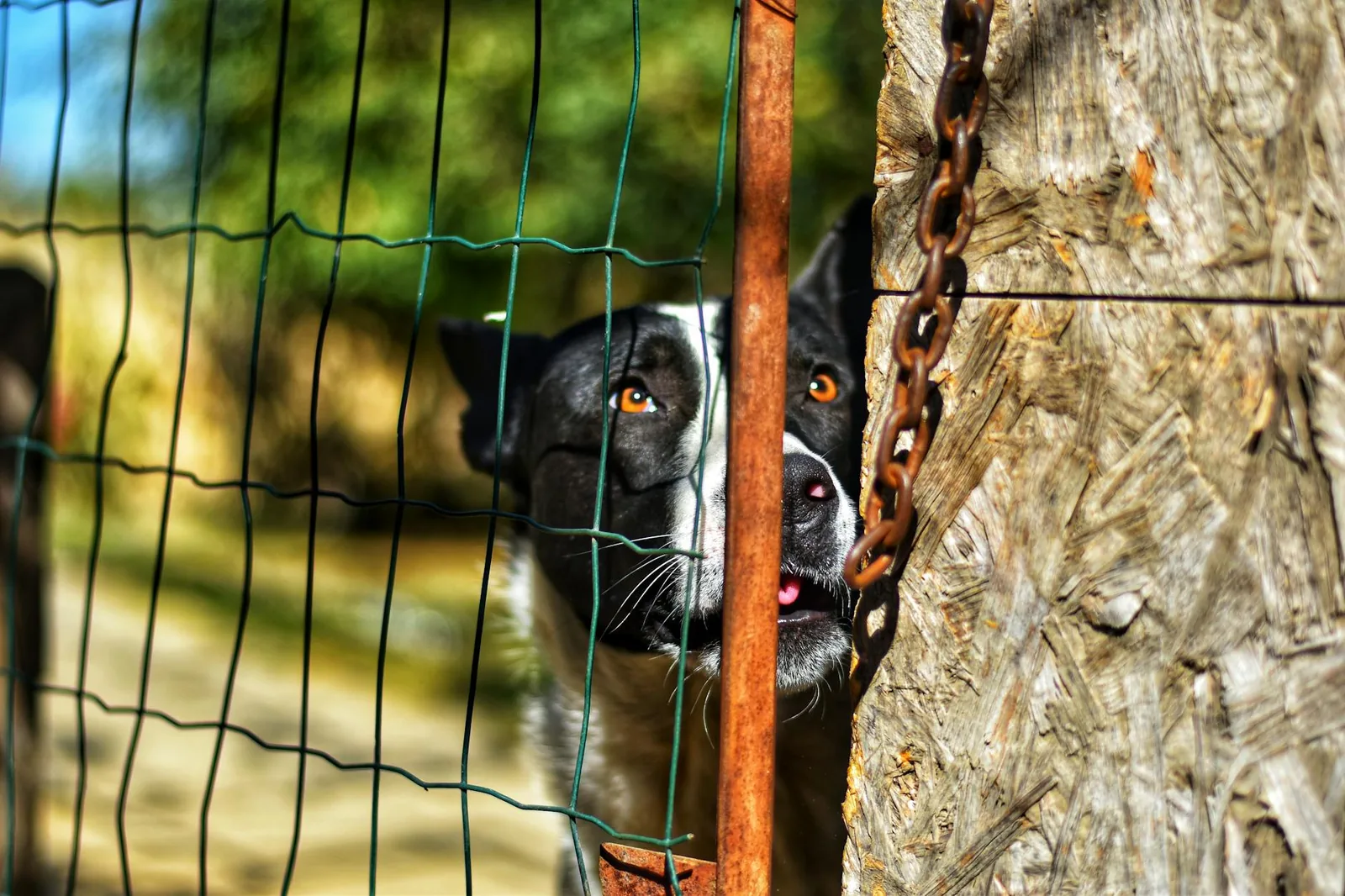
This is also why supervised, size-matched day camp play groups matter so much: a yard sorted by size and energy is both calmer and safer than one where every dog piles in together.
Chemicals, Water, and the Rest of the Property
A boarding facility is a cleaning operation as much as a hospitality one, which means industrial disinfectants, bleach, and kennel-grade cleaners are on site in volume. Stored or used carelessly, they become a poisoning and chemical-burn risk. The same goes for the wider property, especially the rural, farm-style setups that market themselves on open acreage. Ponds, unfenced pools, drainage ditches, and parked equipment are all hazards a loose or unsupervised dog can find.
Look for:
- Cleaning chemicals locked or stored well out of reach, and runs that are dry and ventilated before dogs go back into them, not mopped with a dog standing in the puddle.
- Any pool, pond, or open water fenced off or gated, with no unsupervised access.
- Securely separated storage for equipment, medications, and anything a scavenging dog should not reach.
If a question here needs a clinical answer, such as whether a specific cleaner is safe around your dog or what to do after a suspected ingestion, that is a question for a veterinarian, not a kennel manager. Keep your vet’s number and an animal poison control line handy whenever your dog is away from home.
The Tour: A Yes-or-No Checklist
The state’s advice after Reagan’s death was blunt: tour the facility, and if they will not let you, walk away. A reputable operator welcomes these questions, because the honest answer to every one of them is yes. Walk through and confirm:
- Is the laundry room separated from the animals, with washer and dryer doors kept closed and drums checked before each cycle?
- Are there two barriers (double-gating or an airlock) between any dog and an exterior exit?
- Are latches dog-proof and gates self-closing?
- Is the fencing tight enough for the smallest dog on site, with a dig barrier along the bottom?
- Are cleaning chemicals stored locked and out of reach?
- Is any pool or pond fenced off from loose dogs?
- Are dogs grouped and turned out by size and temperament, never in a free-for-all?
- Will you show me the actual kennels, yards, and laundry area, not just the lobby?
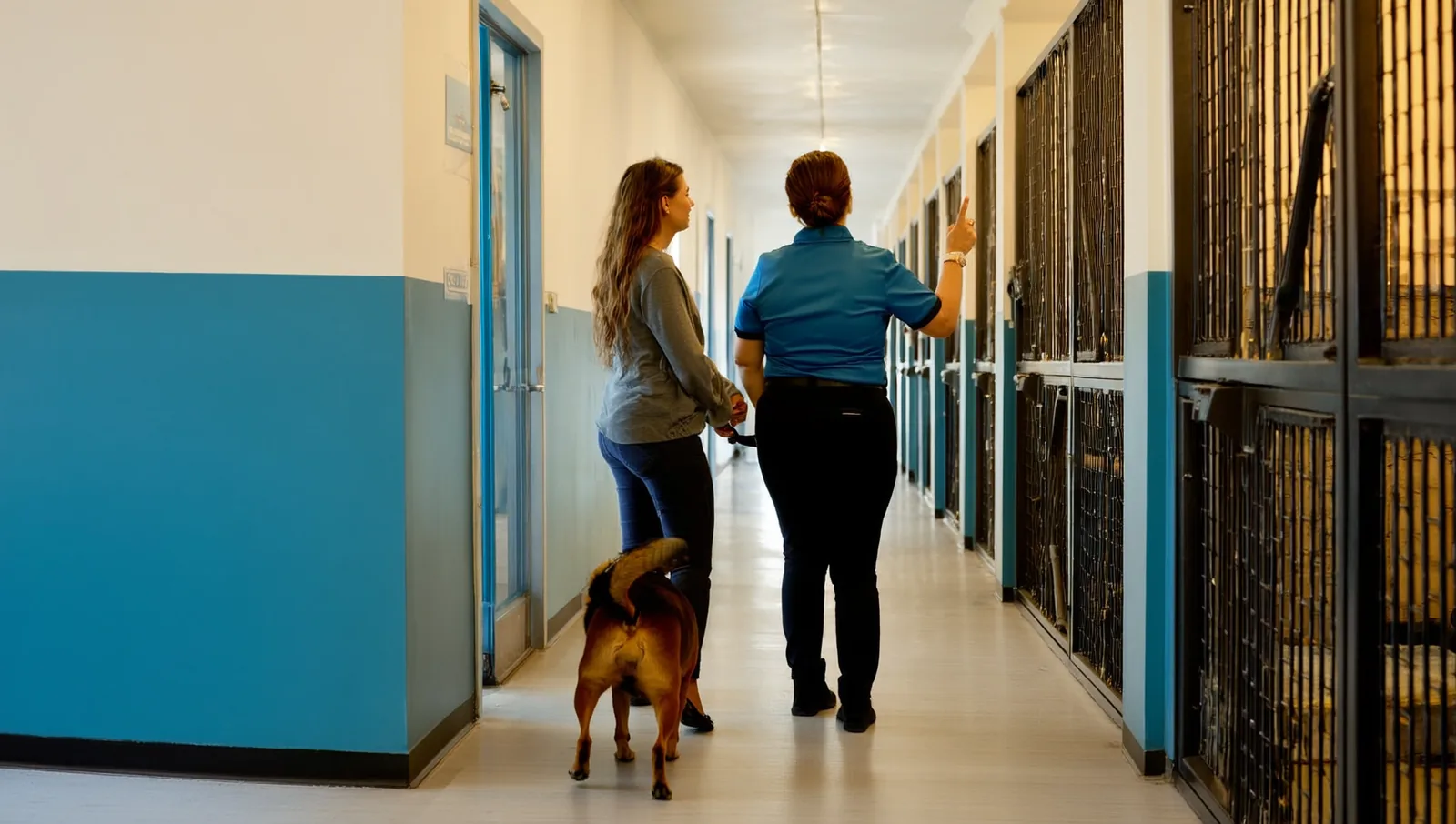
A “no,” a vague answer, or a reluctance to show you a room is the signal. As North Carolina’s Animal Welfare Director put it, the single best tool a pet parent has is the gut feeling they get walking in. If the place smells, or will not give you a full walk-through, turn around.
None of this replaces the basics: confirm the facility is licensed, read its inspection history where your state publishes it, and trust references from owners who have actually boarded there. Our guide to choosing the right dog hotel covers that groundwork, and if you want eyes on your dog between drop-off and pickup, a hotel with real webcam access lets you watch how the place actually runs. If your dog is a flat-faced breed, layer the airway and heat questions from our brachycephalic boarding guide on top of this list. And whatever you choose, learn the signs that a stay went wrong so you can check your dog over carefully at pickup. Freak accidents are, by definition, rare. They are also, far more often than not, designed out of careful facilities long before they get the chance to happen.
Further reading (sources)
- WRAL on the dryer death that prompted the state’s warning to pet owners
- NC Department of Agriculture on the Animal Welfare Section that licenses and inspects kennels
- American Veterinary Medical Association with what to check before boarding your pet
- ASPCA Animal Poison Control for household chemicals and substances that poison dogs
- American Veterinary Medical Association for what to check before boarding your pet