What a Real Kennel Inspection Checks: Using the AKC Care and Conditions Standards as a Boarding Tour Checklist
Published on October 29, 2026
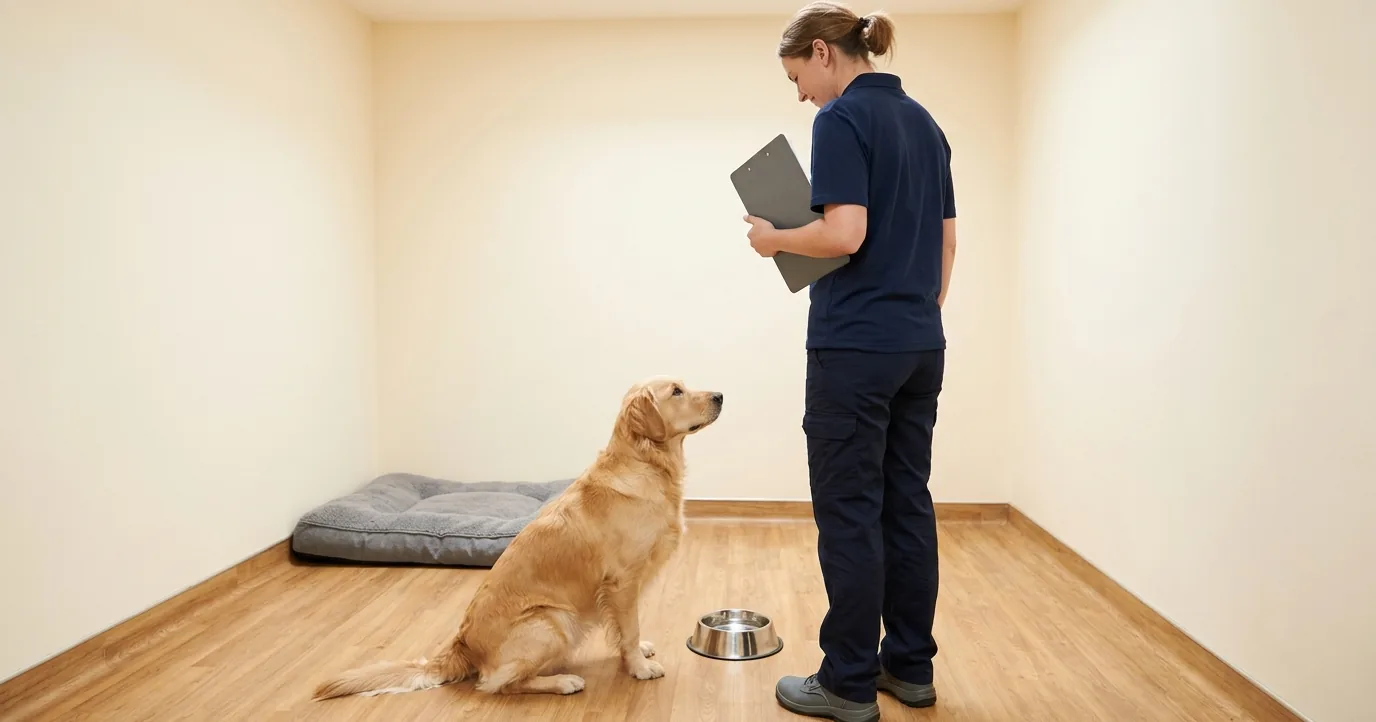
The American Kennel Club describes itself as the only purebred registry in the United States with an ongoing routine kennel inspection programme. Its field agents have carried out more than 70,000 inspections nationwide since 2000, and each visit begins with a walk round the whole facility to check the dogs and the state of their surroundings, followed by a look at each dog’s identification and a review of the records.
That is exactly the visit most owners would like someone to have made before they book a boarding kennel, but the AKC will not be the one making it. It inspects breeders and pet stores, because its inspections are there to support the registration applications it receives. A kennel that only boards other people’s dogs submits no registrations, so there is nothing for the AKC to check. No trade body sends assessors into boarding kennels either. Whether any government inspector visits depends on where the kennel is.
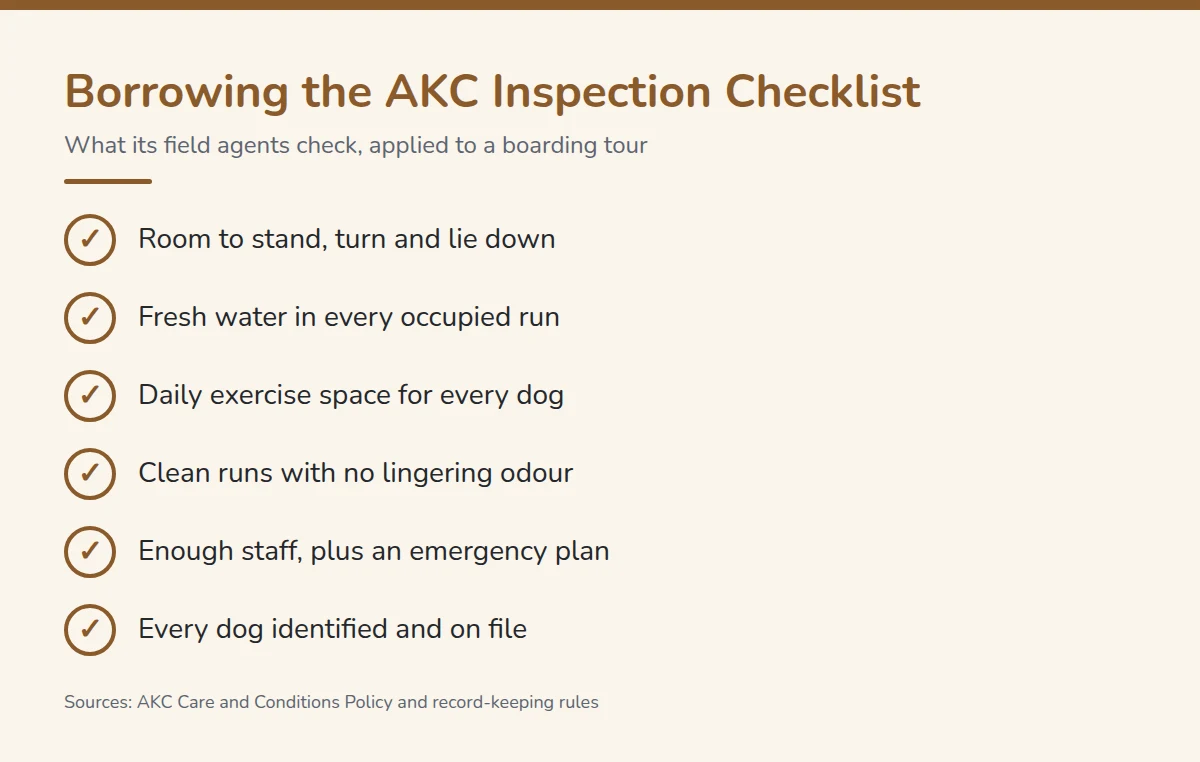
What the AKC does publish is the standard its agents apply, and it is short, plain and free to read. Almost every line in it turns into something you can see or ask about on a tour. Here is how to borrow it, where it falls short for boarding, and who, if anyone, is checking the kennel when you are not.
What an AKC Inspection Is, and What It Can Do
The standard is the AKC’s Care and Conditions of Dogs Policy. It dates from 1996, was updated in 2012 and was last amended in 2014, and it has three short sections: care of the dogs, kennels and housing, and operations. The AKC calls it “a working basic outline” rather than a complete rulebook, and it expects kennels to follow federal, state and local law on top of it.
Its teeth are limited, and the AKC says so: it has no penal or regulatory authority. When an inspector finds a kennel falling short of the policy, the breeder is told in writing what is wrong and gets 45 days to fix it and ask for a re-inspection. A breeder who fails to do so can lose AKC privileges, meaning the right to register dogs and compete in events, and in some cases the AKC also imposes fines. What it can do is report. Since 1990 its policy has been to tell the USDA about unsanitary or unhealthy conditions at kennels the USDA regulates, to tell state, local or humane agencies about the rest, and to notify the agency with jurisdiction at once if dogs are in immediate danger.
None of that applies to a boarding kennel. The useful part for you is the checklist itself, which is one of the few published inspection standards for dog kennels that reads like everyday language rather than regulation.
The Housing Checks
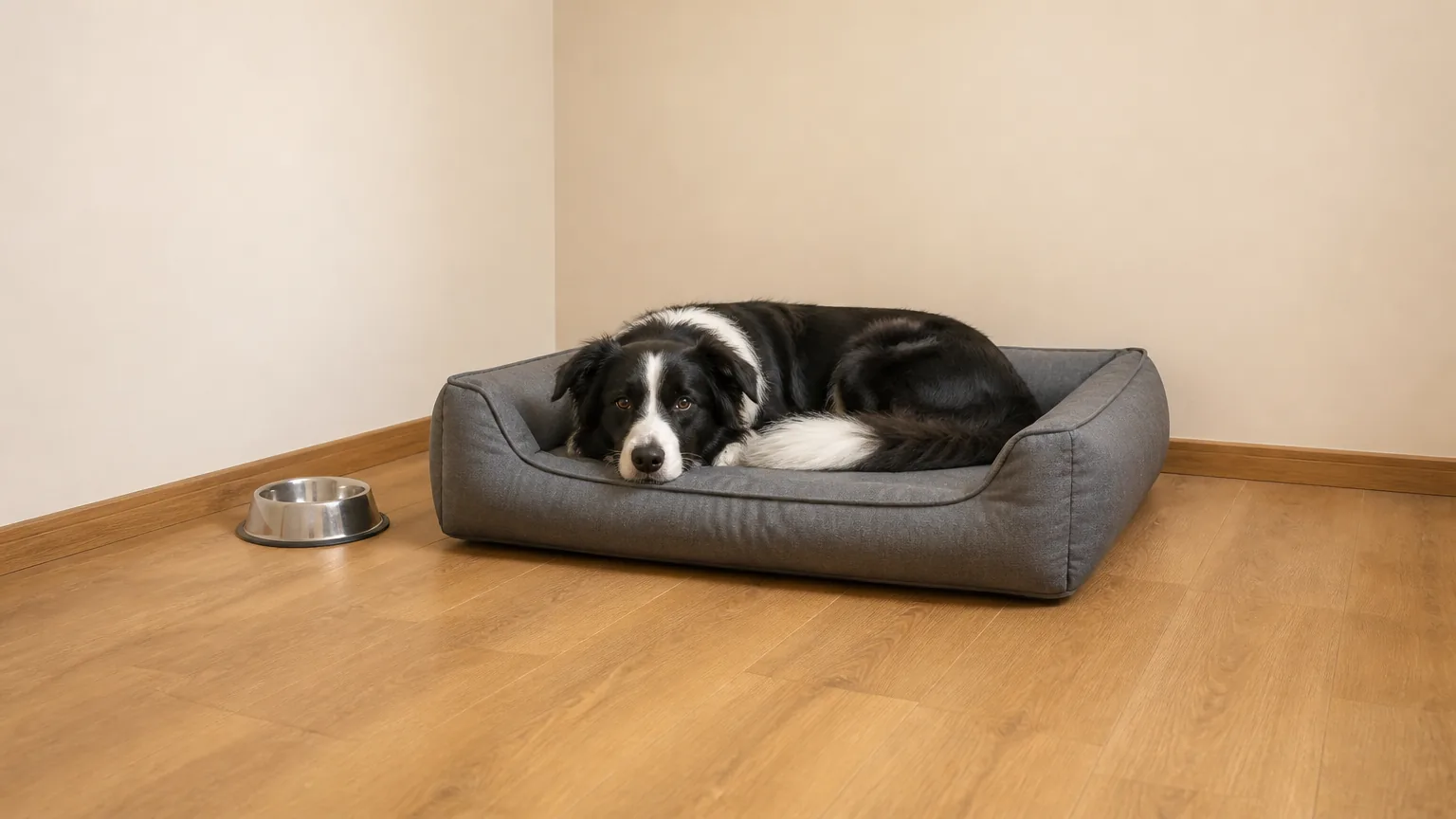
Section B of the policy covers the space a dog actually lives in, which the AKC calls the primary enclosure. At a boarding kennel that is the run or suite your dog sleeps in, so ask to see one that dogs your dog’s size are using, not the showroom suite.
- Room to move. The enclosure must let each dog “sit, stand, lie down, or turn around comfortably, with no overcrowding.” The AKC gives no measurement. Colorado, which licenses boarding kennels, does: a formula based on the dog’s length from nose to base of tail, with the minimum rising as the stay gets longer, so a dog boarded for more than five days and up to 30 needs one and a half times the floor area of a dog staying five days or less. If two of your dogs will share a run, look at it with both of them in mind.
- Secure, safe construction. The enclosure must hold the dog securely without injuring it. Look for gaps under gates, chewed or bent panels, broken welds and sharp edges at nose height.
- Weather. Dogs must be protected from adverse or extreme weather. Where runs open to the outside, ask what happens in a heatwave or a cold snap, and where the dogs go.
- Flooring. Solid footing is preferred. Where a kennel uses raised or perforated flooring, the AKC wants it coated, sized so feet cannot be injured, kept in good repair, and paired with a solid platform where the dog can rest. Colorado’s rule for wire floors is blunter: a solid resting surface big enough for every dog in the enclosure to lie down at the same time.
- Light. Facilities must give dogs a regular lighting cycle. Ask when the lights go off at night and whether the runs get daylight.
- Bedding. Bedding must be clean and must not pose a risk. Ask how often it is washed and what staff do with a dog that shreds and swallows its bed.
The Care Checks
Section A is about the dog rather than the building, and most of it happens every day.
- Water. Dogs must have access to fresh water “as appropriate.” Colorado puts a floor under that phrase: where water is not always available, it must be offered as often as needed and never less than twice a day. Every occupied run you pass should have a clean, full bowl that a dog cannot easily tip.
- Food. Fresh food at intervals that keep each dog at a healthy weight. Ask how the kennel records whether a dog ate, and what happens after a missed meal.
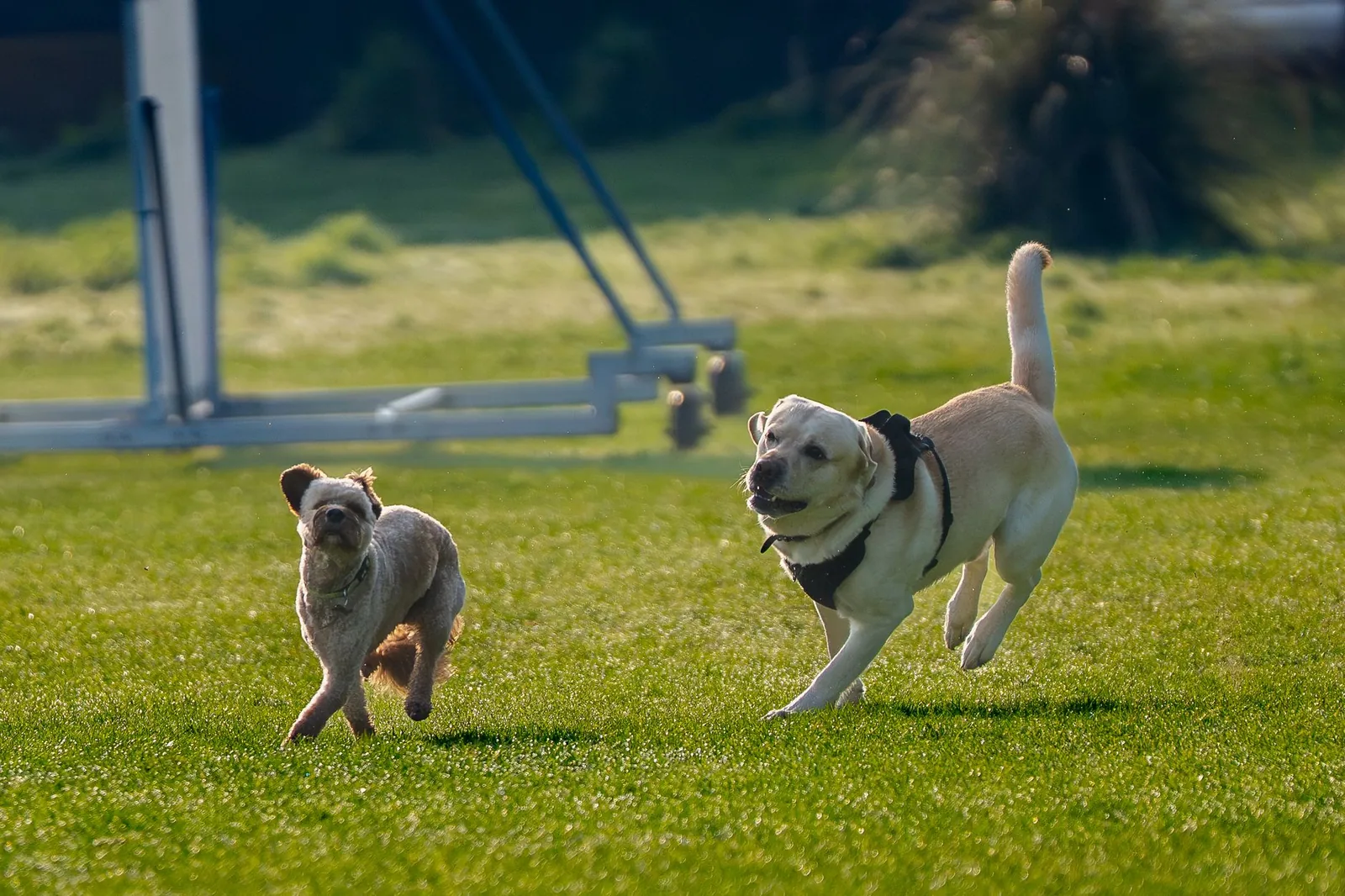
- Exercise. This is the line most worth doing arithmetic on. The policy says the exercise area should be big enough for every dog in the facility to play and exercise every day, and that it should have a solid surface. Ask how many dogs the kennel holds when full, how many yards it has and how long each turnout lasts. If those numbers cannot give every dog a daily slot at peak, some dogs are going without.
- People. Dogs should get daily positive human contact and socialisation, so ask who spends time with a dog that does not join group play.
- A daily health check. Each dog’s overall health and behaviour should be assessed every day, and any change in health “addressed expeditiously and appropriately.” Ask who does the check, where it is written down and who decides when to call a vet.
- Parasites, grooming and health care. The policy expects dogs to be free of internal and external parasites, groomed regularly and given routine preventive care. For a boarder that becomes a set of intake rules: which vaccinations and parasite treatments the kennel requires before a dog comes in, and whether brushing is part of a long stay.
The Operations Checks
Section C is three lines long, and each one deserves a direct question.
Staff. “A sufficient number of staff must be provided to carry out appropriate levels of care and conditions for the number of dogs kept.” The AKC sets no ratio, which makes the question more important, not less. Ask how many people are on shift when the kennel is full, and who is there overnight. Our guide to licensed capacity and staff-to-dog ratios explains where real numbers exist and how to tell when a kennel is stretched.
Cleaning. The facility and the enclosures should be clean, free from debris and odour, with faeces picked up as often as needed to keep the dogs healthy. Colorado again supplies the numbers: visible waste removed from runs and common areas at least daily, every enclosure cleaned and disinfected before a new dog moves in, and food and water bowls sanitised at least weekly and between dogs. Dogs must also be protected from pressurised water and cleaning chemicals, so ask where your dog waits while its run is washed. Your nose is a fair first test at the door.
The emergency plan. Each kennel should keep an emergency preparedness plan suited to the facility and the dogs in it. Ask to see it rather than hear it described. Our guide to emergency preparedness at boarding facilities covers what a good plan says about fire, storms, power cuts and escapes.
The Records Check: Every Dog Identified and On File
An AKC visit ends with paperwork, and this is the part a boarding tour most often skips.
The AKC’s record-keeping regulations require a system of identification, such as tags, tattoos or microchips, that “will preclude any possible error” in telling dogs apart, with the identifying details written down. Where more than 20 dogs over six months old are on the premises and microchips are the main form of identification, a working microchip scanner must be on site at all times. Records must be made at the time, kept up to date and held for at least five years.
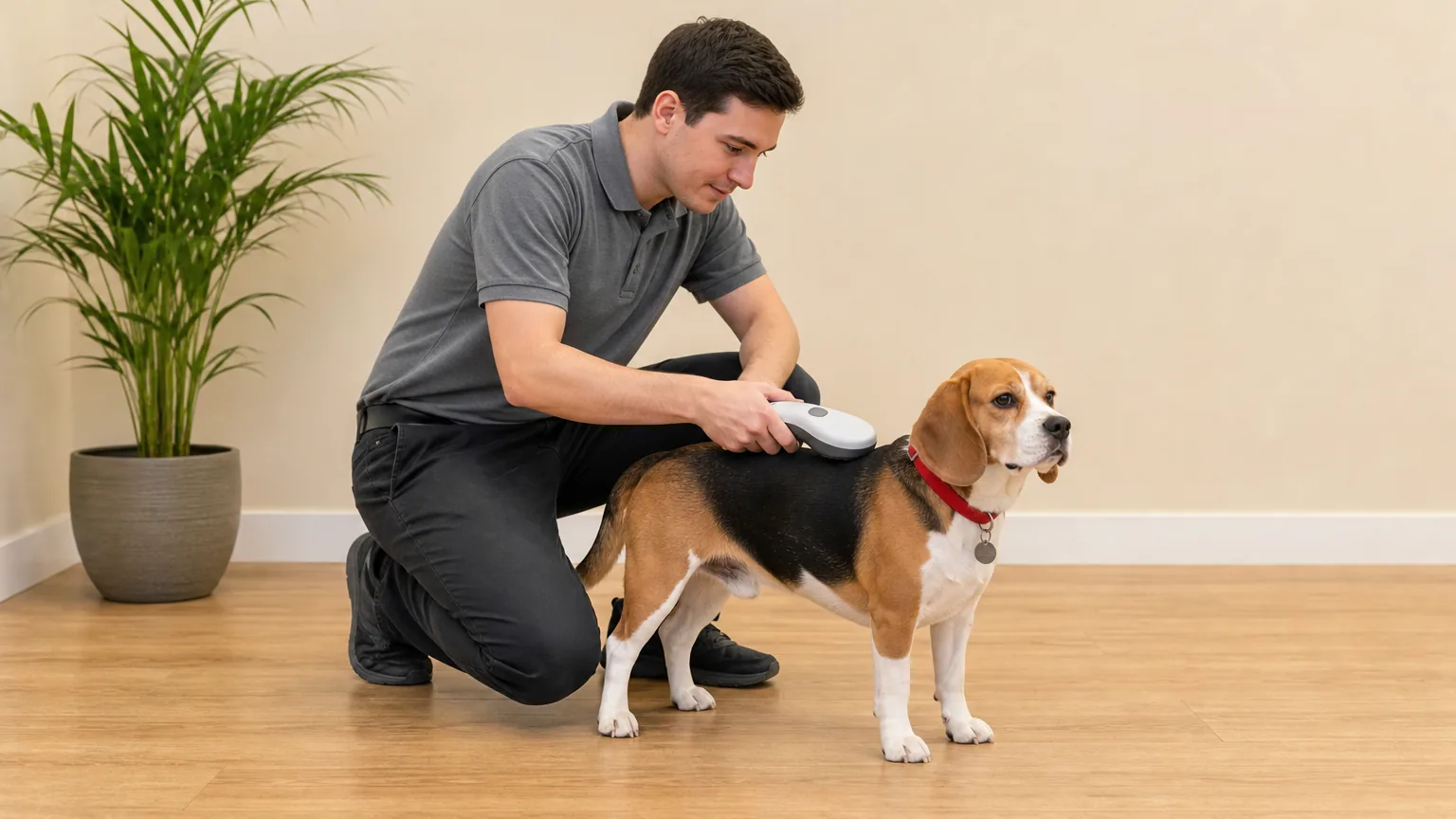
A boarding kennel may hold dozens of dogs that arrived the same week, several of which may look alike, so identification matters even more there than it does at a breeder’s. Ask how your dog is identified from drop-off to pickup: a collar tag, a card on the run, a microchip scan at check-in, or all three. Ask whether there is a working scanner on site.
Then ask what your dog’s file will hold. Colorado’s list for boarded dogs is a fair benchmark: the owner’s name and address, the dates, the dog’s breed, name, sex, age and identifying features, and the owner’s vet. Licensed kennels there must also record any medication given to treat or prevent illness, with the drug, the amount, and the time and date, and keep an incident file for any injury or illness that needs a vet, any death and any escape, noting when and how the owner was told. Ask to see a blank intake form and a medication log with the names covered. A kennel that keeps good records can show you both in a minute.
What the AKC List Leaves Out
The AKC applies its policy to breeders and pet stores, which look after their own dogs. A boarding kennel looks after other people’s, taking in strangers every week, housing them side by side and handing them back. Colorado’s rules for boarding facilities show what that adds:
- Vaccination proof at intake. Colorado requires records of current rabies vaccination for dogs over 16 weeks old, and of distemper and parvovirus vaccination for dogs over eight weeks.
- Somewhere to isolate a sick dog. Boarding facilities there must have an isolation area available unless the state grants an exemption.
- Written consent before crating. Housing a boarded dog in a crate needs the owner’s written consent, and crates are limited to 14 hours in any 24.
- Medication given by the label. Prescription medicines must stay in the container the vet or pharmacy issued and be given as labelled, and no calming drug or supplement may be given without a written prescription from the dog’s own vet.
- Telling someone when things go wrong. A death or escape at a boarding facility must be reported to the state programme in writing within 72 hours.
Add those to the AKC’s lines and you have a tour checklist built for boarding rather than borrowed from breeding.
Who Actually Inspects a Boarding Kennel
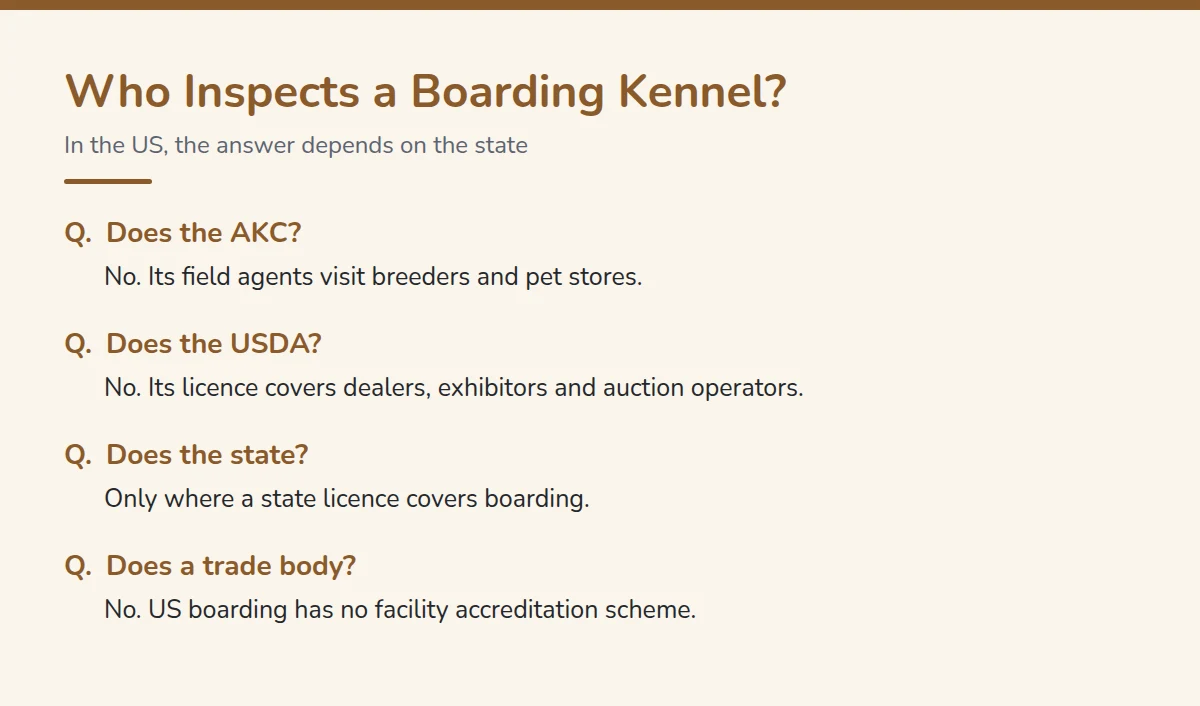
Not the AKC, for the reasons above.
Not the USDA. The federal licensing rule under the Animal Welfare Act requires a licence of dealers, exhibitors and auction operators. Looking after someone’s dog for a fee makes a business none of those, and the only mention of boarding in the licensing rule is an exemption for people who transport animals for boarding. A kennel that only boards needs no USDA licence, so the USDA’s inspectors have no reason to visit it.
Sometimes the state. State rules on pet facilities “vary widely,” according to a 2025 review of Colorado’s licensing programme by the state’s Office of Policy, Research and Regulatory Reform, so widely that the reviewers found it hard even to count how many states license them. Where a state licence does cover boarding, as in Colorado, Missouri and Pennsylvania, the inspector covers much the same ground as an AKC agent. Colorado’s inspectors look at a facility’s grounds and records, generally safety, sanitation, and records of each animal’s history, treatment and incidents. The programme aims to visit every licensed facility at least once a year, and routine visits are not usually scheduled in advance. Over five years, about a quarter of its inspections across all licensed facility types found a facility out of compliance, and about six percent ended in a failed report. Our guide to checking whether a kennel’s licence is current explains how to find the licence and, in states such as Pennsylvania, the inspection reports themselves.
Your city or county, up to a point. Local ordinances typically deal with strays, noise, aggression, cruelty and neglect, and sometimes with how many animals one household may keep. Those rules matter, but they are not a housing and records inspection.
In England, the council. A licensing inspector visits before every licence is granted or renewed and scores the kennel for a star rating, which our guide to UK boarding licences and star ratings explains.
No trade body. American boarding has no voluntary facility accreditation at the moment. The last scheme that sent assessors into kennels belonged to a trade association that has since folded, as our guide to what boarding certifications actually mean explains.
That leads to a plain conclusion. In a state that does not license boarding, the tour you take may be the closest thing to an inspection that kennel ever gets.
The Bottom Line
The AKC is not going to inspect your boarding kennel, but it has written down what an inspector should look at, and the list works on a tour. Check the run, the water, the exercise arithmetic, the cleaning, the staff on shift, the emergency plan and the records, the way a field agent would. Then add what boarding needs on top: vaccination checks, an isolation area, consent before crating, careful medication handling and a record of every incident. Finally, find out who else checks the kennel. If the answer is nobody, your visit carries more weight than any badge on its website.
Further reading (sources)
- American Kennel Club on how its field inspections run, from the facility tour to the records review
- AKC Policy Manual for the Care and Conditions of Dogs Policy its inspectors apply
- AKC with its record-keeping and identification regulations, including the microchip scanner rule
- Legal Information Institute on 9 CFR 2.1, who needs a USDA licence under the Animal Welfare Act
- Colorado Office of Policy, Research and Regulatory Reform for its 2025 sunset review of pet facility licensing and inspections
- Colorado Department of Agriculture rules on enclosure size and flooring, cleaning and sanitation and food and water
- Colorado Department of Agriculture rules covering veterinary care and medication, isolation areas and records, crate consent and incident reports