How to Choose the Right Dog Hotel: Tips for Pet Parents
Published on February 1, 2025
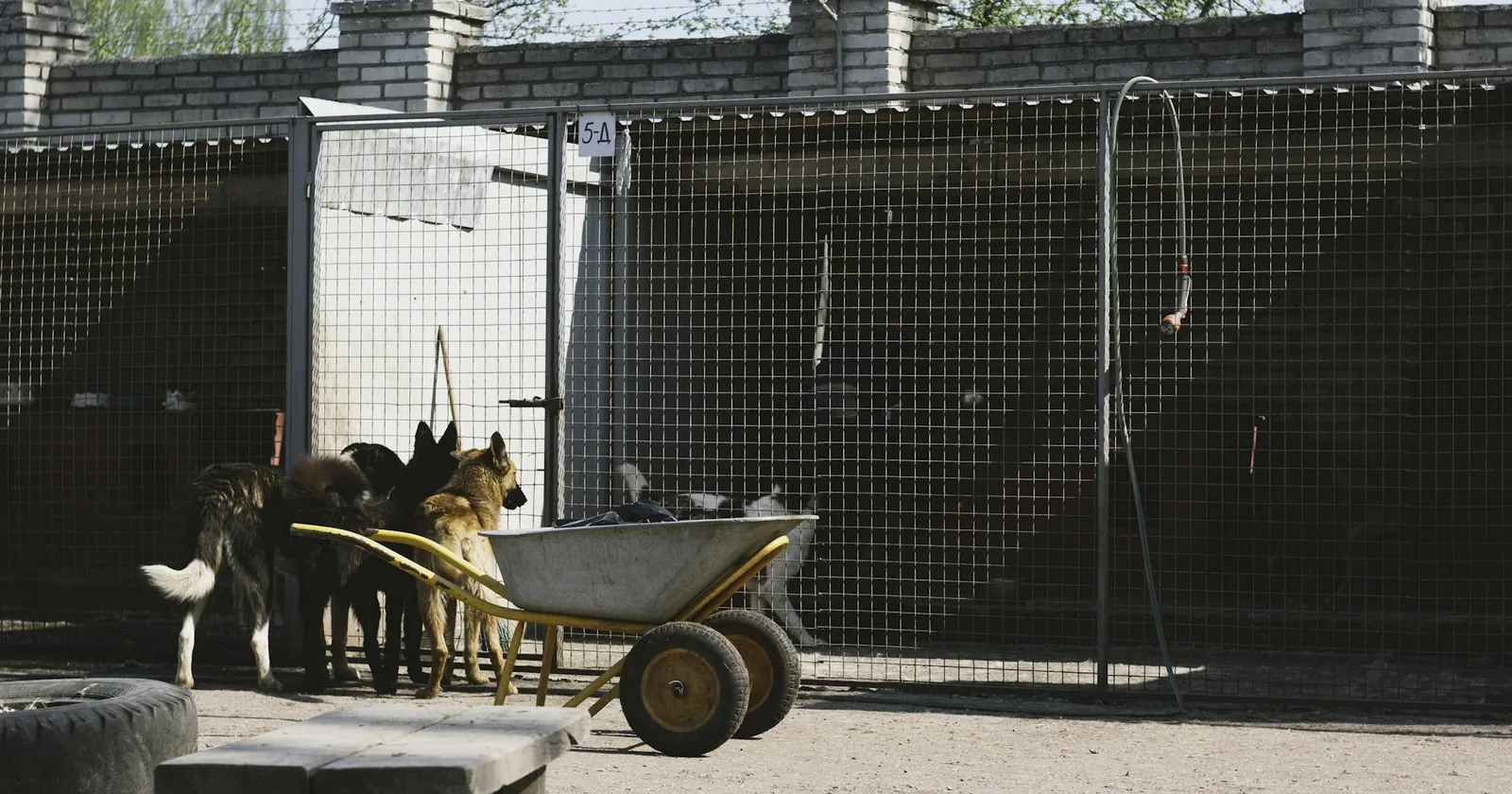
Leaving your dog behind when you travel is never easy. Whether it is a business trip or a long-awaited vacation, the guilt of walking out the door without your four-legged companion is real. Choosing the right dog hotel can make all the difference for your dog’s wellbeing and for your own peace of mind. Here is what to look for, what to ask, and what to avoid when selecting a facility for your pup.
Start with a Tour
The single most important step in choosing a dog hotel is visiting in person before booking. A reputable facility will welcome walk-in tours and be transparent about every area of its operation, from sleeping quarters to play yards to food preparation. While you are there, pay attention to cleanliness: floors should be free of waste and debris, bedding should look fresh, and the air should smell clean rather than overwhelmed by chemical masking agents. If a facility limits access or discourages questions during a tour, consider that a red flag.
Evaluate the Staff
The people caring for your dog matter just as much as the physical space. Ask about staff qualifications, training, and certifications. The best dog hotels require their team members to be trained in canine body language, pet first aid, and CPR. A staff that understands how to read stress signals, redirect unwanted behaviour, and separate dogs when play escalates is essential to keeping every guest safe. Look for a reasonable staff-to-dog ratio as well, ideally no more than one caregiver per ten to fifteen dogs in group play settings.
Understand the Accommodation Options
Dog hotels vary widely in what they offer. Some provide traditional kennel runs, while others feature private suites with elevated beds, climate control, and designated rest areas. Luxury facilities may include extras like orthopaedic bedding, calming music, and personalised meal plans. Think about your dog’s temperament when choosing. A social, high-energy dog may thrive in a facility with open play areas and group interaction, while a shy or anxious dog may do better with a private room and one-on-one attention.
Ask About Daily Routines
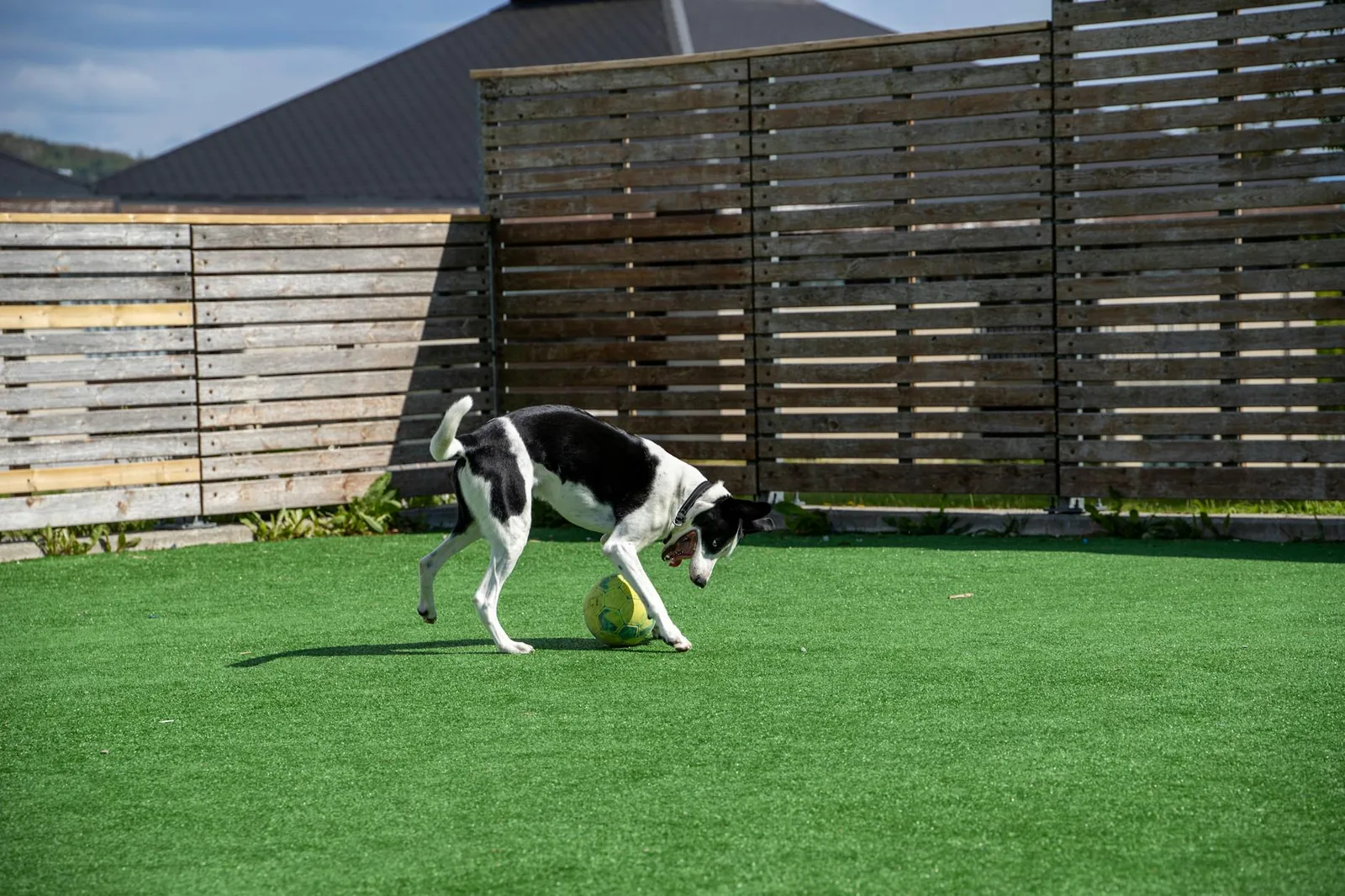
A structured daily schedule is a sign of a well-run facility. Dogs thrive on routine, and the best hotels provide a consistent cycle of exercise, socialisation, feeding, rest, and bathroom breaks throughout the day. Ask how many times per day dogs are taken out, what activities are offered during playtime, and whether there are separate play groups based on size, energy level, or temperament. Understanding the daily rhythm will help you gauge whether the facility’s approach matches your dog’s needs.
Check Health and Safety Protocols
Before boarding, most reputable dog hotels require proof of current vaccinations (typically rabies, DHPP, and bordetella, which protects against kennel cough). Some facilities also recommend or require the canine influenza vaccine. Beyond vaccinations, ask about the facility’s protocols for illness or injury. A quality dog hotel will have an isolation area for sick animals, an established relationship with a local veterinarian, and clear procedures for contacting you in an emergency.
Read Reviews and Ask for References
Online reviews can reveal patterns that a single tour might miss. Look for consistent feedback about cleanliness, staff attentiveness, and how well the facility communicates with pet parents. Pay particular attention to how the business responds to negative reviews. A professional, solutions-oriented response suggests a facility that takes feedback seriously. Asking friends, neighbours, or your veterinarian for personal recommendations is equally valuable.
Consider Convenience and Cost
Practical factors matter too. Look at the facility’s location relative to your home or the airport, its operating hours for drop-off and pick-up, and its cancellation policy. Boarding costs in the United States generally range from $30 to $50 per night for standard kennels and $75 to $110 per night for premium or luxury accommodations, though prices vary by region (Chewy, 2025). Be sure to ask what is included in the base rate and what counts as an add-on. Some facilities bundle playtime, feeding, and walks into the nightly fee, while others charge separately for each service.
Do a Trial Run
If your dog has never been boarded before, schedule a trial day or overnight stay before committing to an extended booking. This gives your dog a chance to become familiar with the environment, the staff, and the other animals, and it gives you a chance to see how your dog adjusts. Bringing along a favourite toy, blanket, or item that carries your scent can help ease the transition and provide comfort in an unfamiliar setting (Chewy, 2025).
Choosing the right dog hotel takes a little effort upfront, but it pays off in the form of a happy, well-cared-for pup and a worry-free trip for you. Trust your instincts, ask the tough questions, and never settle for a facility that does not make both you and your dog feel welcome.
Feature photo by Plato Terentev on Pexels.
Further reading (sources)
- American Veterinary Medical Association on what to check and ask before boarding your pet
- AAHA for how a good facility handles an anxious animal
- American Veterinary Society of Animal Behavior with the humane-handling standard to expect from staff