Boarding an Intact Dog or a Female in Heat: Spay and Neuter Rules, Separate Housing, and What to Tell the Kennel
Published on November 4, 2026
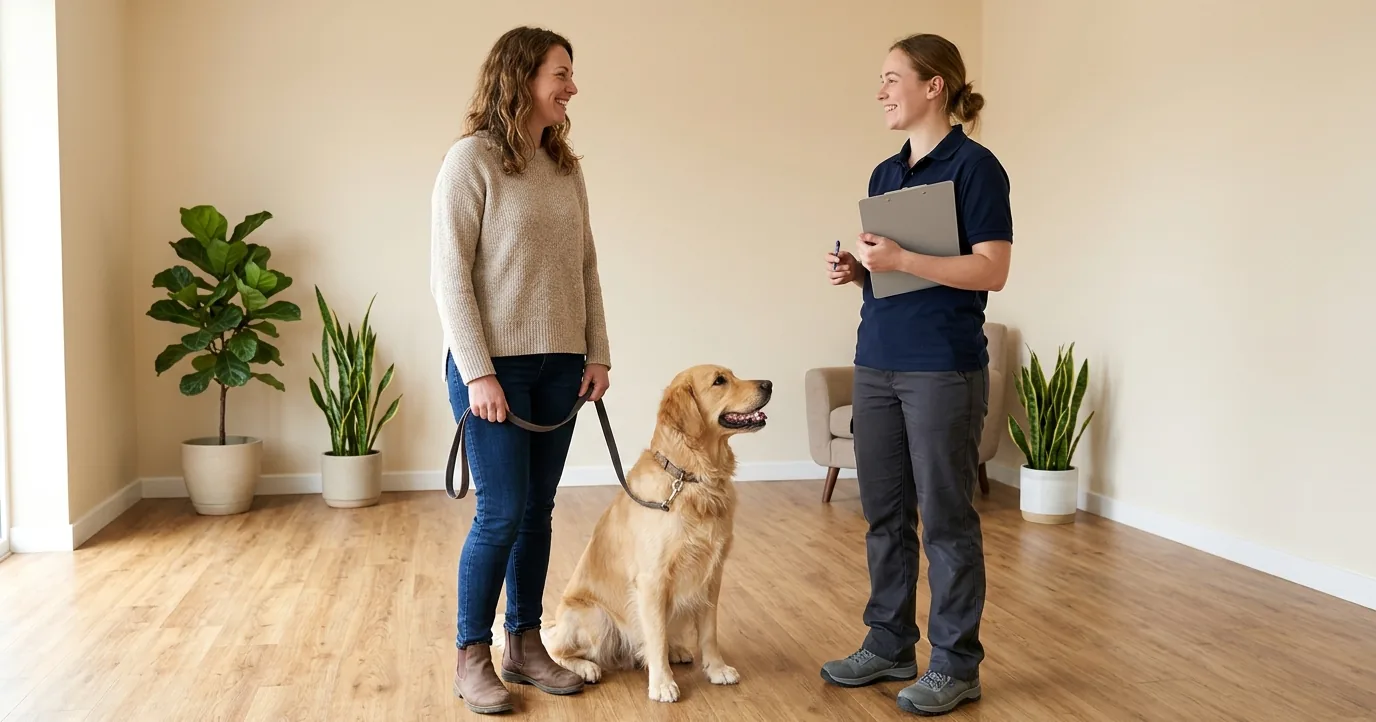
In early 2024, an owner sent an eight-month-old Goldendoodle to a trainer in northwest Georgia for four weeks of board-and-train. She came home pregnant with seven puppies. The contract the family had signed said the dogs socialised in group settings, that the business would not be held responsible for any breeding if a female was in heat, and that staff would tell the owner if they saw signs of heat. The kennel’s owner told a state inspector that no staff member had seen any, and according to the business’s lawyer, the family later said it had been the dog’s first heat. After a formal complaint, the Georgia Department of Agriculture issued no violations.
Whatever else happened in that case, it holds the whole subject of this article in miniature. A young female’s first heat can be easy to miss. Group play turns a missed heat into a litter. And one clause in a contract can move the risk from the business to the owner before the dog has walked through the door.
Plenty of dogs are intact for good reasons. Show dogs have to be. Some are kept for breeding, some are large-breed dogs whose vets have advised waiting until they finish growing, and others are simply young. Here is why so many daycares draw a line, how a good facility houses intact males and females in season, what to tell the kennel when you book, and when a dog in heat should not be boarded at all.
Why Daycares Draw the Line at Puberty
Group-play rules are written around puberty, and puberty keeps a loose schedule. The Merck Veterinary Manual puts a female’s first heat at 10 to 12 months on average but anywhere from 6 to 24 months, earlier in small breeds and later in large and giant ones. The BC SPCA, in advice for adopters taking home intact dogs, gives sexual maturity as 5 to 12 months and suggests keeping intact male and female puppies apart from about four months, because a first heat can come early.
Iowa is unusual in writing a cutoff into law. A licensed dog day care there must have written proof that a dog over six months old has been spayed or neutered before admitting it. The same rule lets a vet’s written recommendation excuse a dog from its vaccine requirements, but it offers no such exemption for spaying and neutering. Neither Colorado’s pet facility rules nor England’s day care licensing conditions set a neuter cutoff at all; both deal with the female in season instead. So the age limit you meet at a daycare desk is usually the business’s own policy, and it varies from one facility to the next. The BC SPCA warns owners of intact dogs that boarding facilities, training classes and daycares may not take them at all, because keeping intact animals apart is difficult.
The rule says less about intact dogs than it seems to. In a study of more than 13,000 dogs, Farhoody and colleagues found no association between neutering, or the age at which it was done, and aggression toward other dogs. What hormones do drive shows up in an older study from the University of California, Davis, which followed 57 adult males with problem behaviours through castration. Urine marking, mounting and roaming improved by at least half in 60 percent or more of the dogs. For aggression, the authors concluded that fewer than a third of dogs could be expected to improve markedly.
Marking, mounting and the urge to wander are exactly what cause trouble in a play yard: a leg lifted on a gate, a mount the other dog does not appreciate, a male who stops playing and starts searching the fence line. Add the one outcome no facility can undo, a pregnancy, and a blanket rule makes sense from the business’s side of the desk, even for a dog that has never put a paw wrong.
It is not the only way to run group play. For shelters, where surgery cannot always happen straight away, the Association of Shelter Veterinarians says that housing intact animals of breeding age separately or in sex-matched pairs, and thoughtfully planning and monitoring off-leash activities such as playgroups, can prevent mating behaviours. A boarding facility that accepts intact dogs should be able to describe a system that careful.
The Rules on Females in Heat Are Stricter
Where the law says anything about intact dogs in care, it usually starts with the female in season, and it says the same thing in different words: keep her away from males.
- US federal rules. The standards written for USDA-licensed breeders and dealers say a female in heat may not share a primary enclosure with males, except for breeding. They do not cover ordinary boarding kennels, but they set a floor.
- Colorado. Outside licensed breeding facilities, a female in season must not be housed in an enclosure or placed in a common area with other animals at all, male or female. The same rules allow boarding facilities to mix dogs from different households in common areas only under constant, direct supervision and with the owners’ written consent.
- England. A licensed dog day care must separate a bitch in season from male dogs and keep her where they cannot see, hear and, where possible, smell her. A licensed home boarder must not accept a bitch in season for boarding with dogs from other households, and while one is boarded, no entire male may be on the premises. Both sets of conditions require the business to record each dog’s neuter status, and our guide to UK boarding licences explains how councils inspect against them.
Even where no rule applies, the English day care test is a useful one. A facility that cannot keep a female in heat out of sight, sound and smell of males cannot really keep her away from them.
How a Good Facility Houses an Intact Male
An intact male is an ordinary boarding guest at a facility that plans for him. The plan should cover five things.
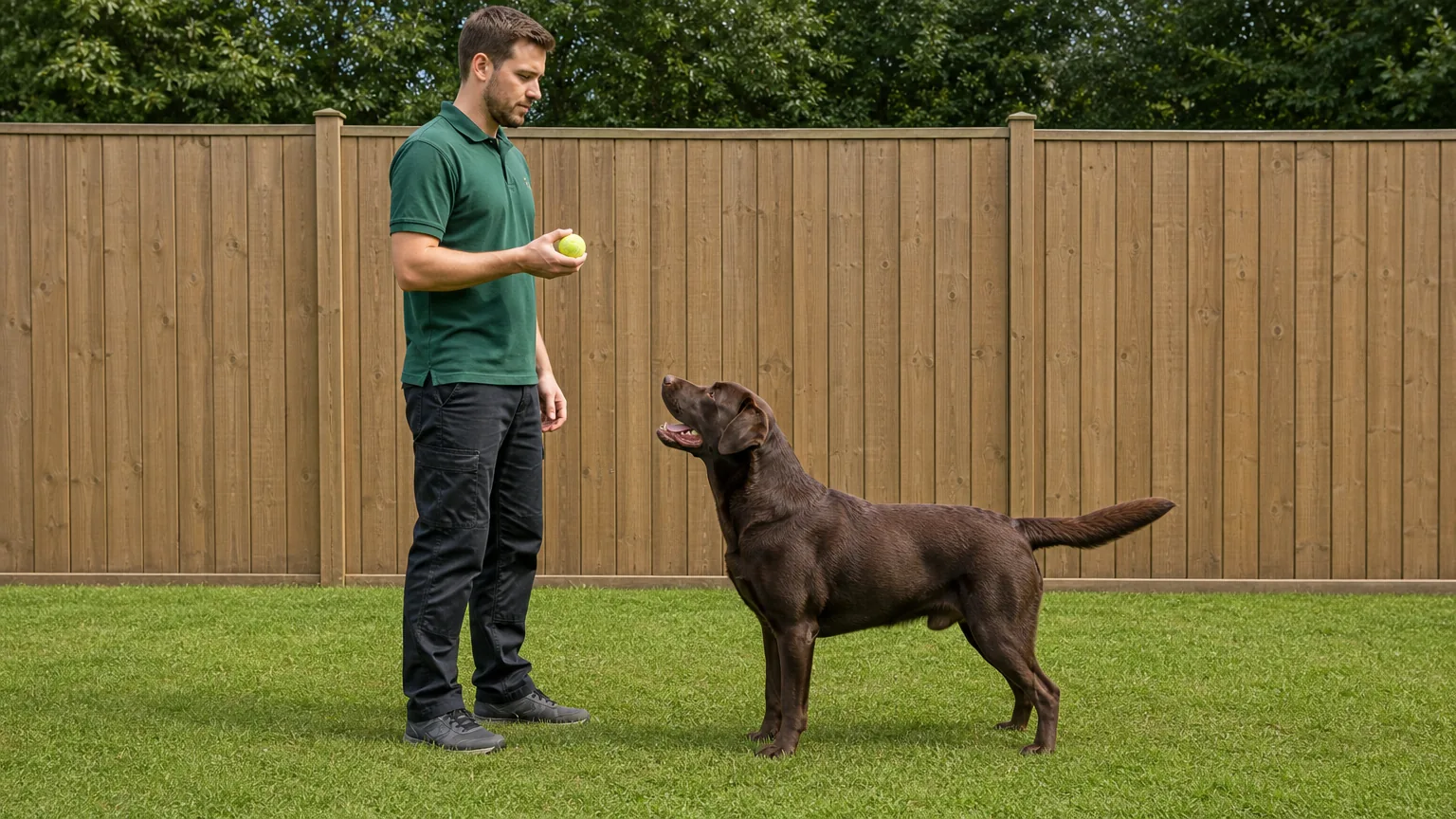
- His own suite. No shared room with an unfamiliar dog. Our look at shared kennels and buddy suites puts intact dogs on the list of guests who should room alone.
- Group play decided dog by dog. Ask how the decision is made. A careful facility assesses him individually, keeps groups small and supervised, keeps him well away from any female who could be coming into season, and has a solo exercise plan ready if groups are not right for him.
- Mounting interrupted kindly. The BC SPCA calls humping a natural, hormonally motivated behaviour and advises interrupting it with a trained cue and redirecting the dog rather than punishing him. Ask what handlers do when a dog mounts in play.
- Marking treated as routine. Expect a leg lifted on the suite door. The BC SPCA recommends cleaning marked areas with an enzymatic cleaner, and staff who expect marking will clean for it and mention it on the report card rather than treat it as a crime.
- Fences and gates that hold. Intact males can become very forceful in their attempts to reach a female in heat, the BC SPCA warns, and they are “hormonally motivated to roam, especially if there is an intact female anywhere within sniffing distance (farther than you might think).” That calls for latches that hold, fencing he cannot climb or dig under, and handlers who notice when an easygoing dog starts pacing the fence line.
How a Good Facility Houses a Female in Heat
A female in season needs stricter handling, from the first sign of discharge until her heat is completely over.
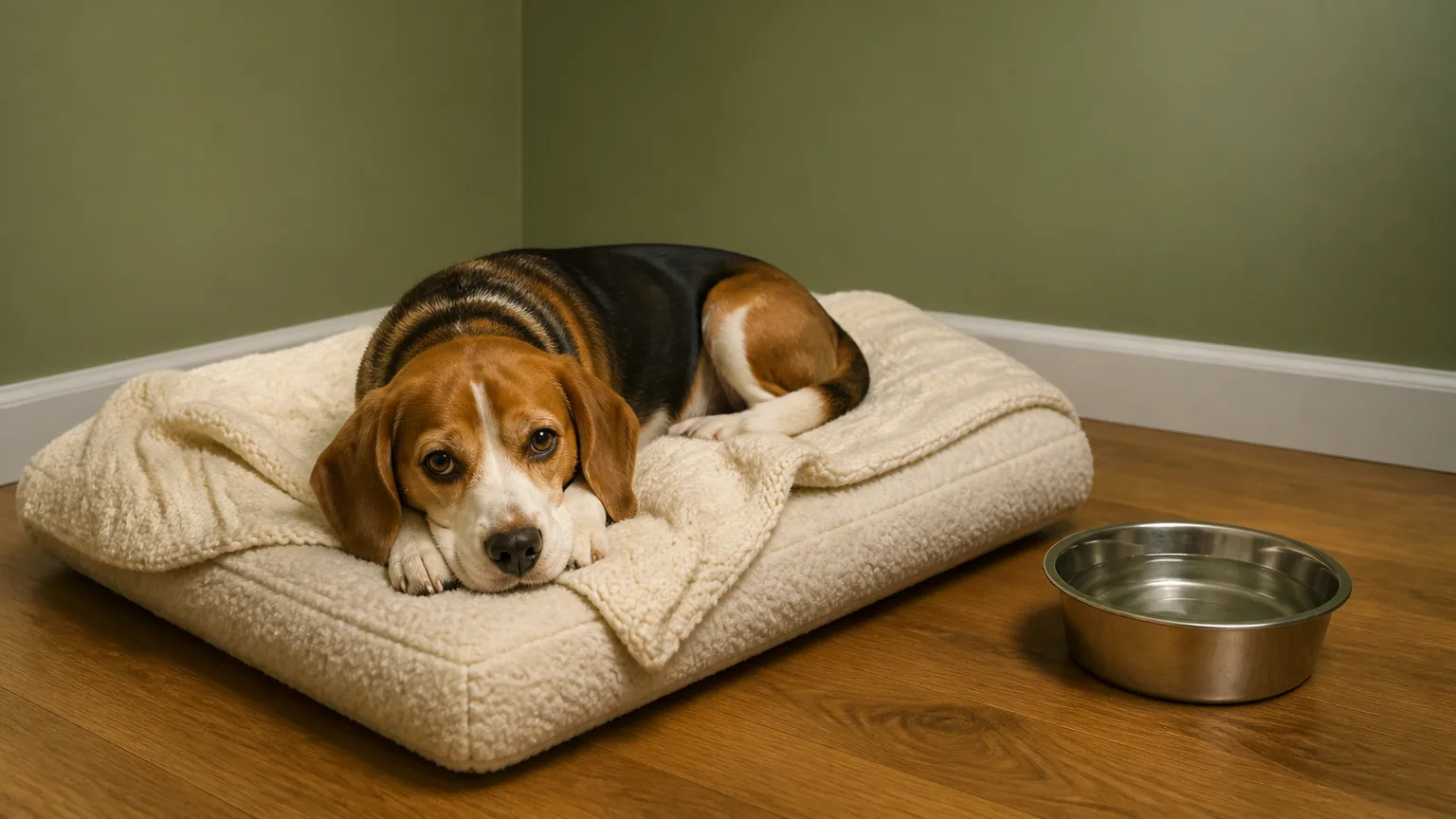
- No group play and no shared suites. The BC SPCA advises keeping a female in heat isolated from other dogs, especially intact males, and avoiding contact with unfamiliar dogs until the cycle has finished.
- A room away from males. The English day care standard (out of sight, sound and, where possible, smell of males) is the right test. A run across the aisle from an intact male fails it.
- Her own yard or her own turnout times. Separate yards are best. If she shares one, her sessions should not overlap with the males’ and the yard should be cleaned before they use it.
- Bedding and hygiene. Discharge means more frequent bedding changes. If she wears heat pants at home (the BC SPCA mentions dog diapers for use in the house), ask the kennel before you pack them.
- A watch on the rest of the building. Her presence affects every intact male nearby, which is why some facilities will not take a female in heat at all, and why an English home boarder may not keep an entire male on the premises while she stays.
The Heat Cycle, in Booking Terms
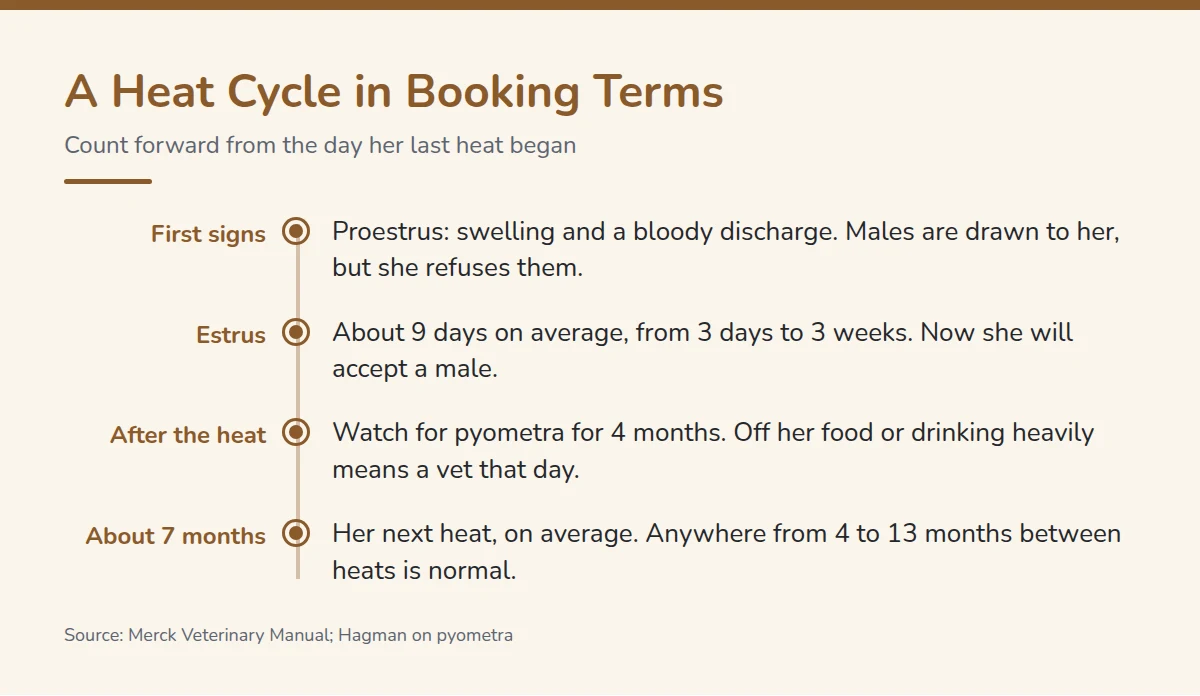
A heat begins with swelling and a bloody discharge. In this first stage, proestrus, she attracts males but will not accept them, though she may become more playful. Then comes estrus, when she will. Merck puts estrus at nine days on average, anywhere from three days to three weeks, and notes that her behaviour may not line up exactly with the days she is fertile.
Two further facts explain why kennels treat the whole period as off limits. Sperm can survive for up to seven to nine days inside the female, and the copulatory tie is not needed for conception. A brief, unseen mating in a play yard is enough.
Most females come back into heat about every seven months, but anywhere from four to thirteen months between heats is normal. Count forward from her last heat before you book, and if the stay falls anywhere near her window, tell the kennel at booking, not at the front desk.
First heats are the hard ones. They can be subtle, and the BC SPCA warns that a female can be fertile before her owner notices any sign of heat at all. If your young female has never had one, say so, so that staff know to watch for it.
The months after a heat matter too. In a review of the condition, Ragnvi Hagman advises that pyometra, a life-threatening infection of the uterus, should be suspected in any intact female that falls ill, particularly within four months after a heat. Typical signs include vaginal discharge, depression, loss of appetite, drinking and urinating more, fever and stomach upsets. The American College of Veterinary Surgeons calls pyometra a medical emergency and notes that many affected dogs have a closed cervix, so the discharge may never appear. A kennel boarding an intact female in that window needs the date of her last heat and a clear instruction: if she goes off her food or starts drinking heavily, she sees a vet that day.
Two shortcuts are slower than they sound. The BC SPCA does not recommend spaying during or immediately after a heat, and Merck notes that drugs used to postpone a heat must be started at the right point in the cycle and can cause complications, pyometra among them. Both are conversations for your vet months before a trip, not the week before.
Intact for a Reason: Show Dogs and Delayed Neuters
Show dogs are intact because the rules require it. Under the American Kennel Club’s show rules, a castrated or spayed dog may not compete in conformation, apart from a handful of classes such as Stud Dog, Brood Bitch and, at some shows, Veterans.
A second group is intact on veterinary advice. The American Animal Hospital Association’s life stage guidelines suggest castrating small breeds (under 45 pounds as adults) at about six months, but waiting until large breeds have stopped growing, roughly 9 to 15 months. For large-breed females, the guidelines suggest waiting until growth stops, anywhere from about 5 to 15 months, weighing an earlier spay’s protection against mammary tumours and unwanted litters against a later one’s lower risk of orthopaedic disease, some cancers and incontinence. Research from UC Davis shows why the caution exists. In Golden Retrievers, Labrador Retrievers and German Shepherds, neutering before a year of age was associated with two to four times the risk of joint disorders, while small breeds showed no increase in joint disorders at all. The risks varied widely from breed to breed.
A large-breed puppy on that schedule will still be intact long after a six-month cutoff, and in Iowa a licensed day care cannot admit a dog over six months that has not been spayed or neutered, whatever the vet says. If your vet has advised waiting, get the advice in writing with a planned date, and ask each facility before you rely on daycare: whether it makes exceptions, what it needs to see, and what changes when your dog reaches puberty.
Owners of show and breeding dogs usually know their dogs’ cycles better than anyone. Their risk is a facility that does not take intact guests seriously, and the Georgia contract shows how a promise to watch for heat can sit beside a clause that puts any breeding on the owner. Read the contract for both, and take extra care with stays that run for weeks. Our guide to vetting a board-and-train facility covers what else to check.
None of this is an argument against neutering. Welfare groups such as Humane World for Animals point out that spaying ends heat cycles, and the attention from males that comes with them, and that neutering reduces roaming and marking. For dogs that stay intact for good reasons, the job is simply to board them safely.
What to Tell the Kennel When You Book
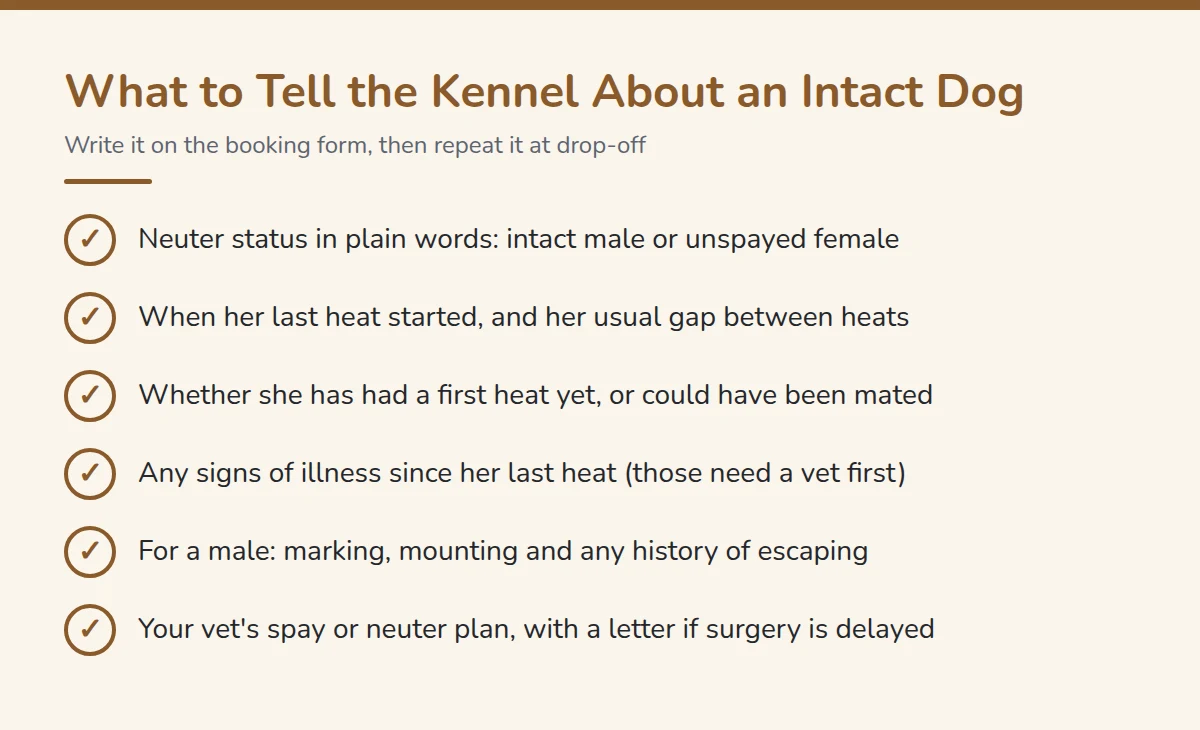
Put it in writing on the booking form, and repeat it at drop-off.
- Neuter status, in plain words. “Intact male” or “unspayed female,” never a blank box.
- For a female: the date her last heat started, her usual gap between heats, whether she has had a first heat yet, and whether she could have been mated.
- Anything unusual since her last heat: discharge, drinking more or a poor appetite. Those need a vet before a kennel.
- For a male: indoor marking, mounting, any history of escaping or fence climbing, how he behaves around females in heat, and any trouble with other intact males.
- Your vet’s plan: the date of a planned spay or neuter, and a letter if surgery has been deliberately delayed. A dog recovering from surgery needs its vet’s go-ahead before group play.
Then ask four questions, and get the answers in writing:
- If she comes into heat during the stay, will you call me, where will she move, and is there a charge?
- Are intact males boarded in the same building, and how far from her?
- Is group play part of the booking, and can I opt out of it in writing?
- What does the contract say about breeding, pregnancy and who pays for either?
When a Dog in Heat Should Not Be Boarded
Some situations call for a different plan altogether:
- The facility cannot keep her out of sight, sound and smell of males.
- The only option on offer includes group play or a shared suite.
- The boarder is a home boarder with an intact male in the household. English licensing conditions forbid exactly that combination.
- She has seemed unwell in the weeks or months since her last heat. That is a vet visit, not a booking.
The alternatives are usually easier than owners expect. Because her next heat is roughly predictable from her last one, a trip can sometimes move by a week or two to miss it. A sitter in your own home, with no other dogs, avoids the problem entirely. And sometimes the dog can come with you; our guide to taking the dog or boarding the dog weighs that choice.
The Bottom Line
Boarding an intact dog is routine when everyone has the facts. Tell the kennel your dog’s status and, for a female, her cycle, in writing, before you book. Ask what changes if a heat starts mid-stay, read the contract for a breeding clause, and accept no arrangement that puts a female in season in a group, a shared suite or a yard a male can reach. A facility that answers those questions in detail has boarded intact dogs before. One that shrugs has told you what you need to know.
Further reading (sources)
- WTVC NewsChannel 9 on the board-and-train puppy that came home pregnant, and the contract behind it
- Iowa Administrative Code for the dog day care rule requiring proof of spay or neuter after six months
- Code of Federal Regulations with the federal rule against housing females in heat with males
- Colorado Code of Regulations on the separation rules for females in season and mixed play groups
- GOV.UK for England’s day care condition keeping bitches in season away from males
- GOV.UK with the home boarding rule on bitches in season and entire males
- Merck Veterinary Manual on puberty timing, sperm survival and why a tie is not needed
- Merck Veterinary Manual for how long estrus lasts and how often it returns
- BC SPCA with its advice sheet on living with an intact female dog
- BC SPCA on marking, mounting and roaming in intact males
- Farhoody and colleagues for a 13,000-dog study of neutering and aggression
- Neilson, Eckstein and Hart with which male behaviours castration changed, and which it rarely did
- Association of Shelter Veterinarians on keeping intact shelter dogs from mating, playgroups included
- Ragnvi Hagman for when to suspect pyometra and its typical signs
- American College of Veterinary Surgeons with why pyometra is an emergency even without discharge
- American Kennel Club on the show rule that keeps spayed and neutered dogs out of conformation
- American Animal Hospital Association for its proposed spay and neuter ages by adult size
- Hart and colleagues with breed-by-breed neutering ages and the joint and cancer risks behind them
- Humane World for Animals on what spaying and neutering change for dogs