Tick Season and Dog Boarding: What to Ask Your Hotel Before Summer Travel
Published on June 16, 2026
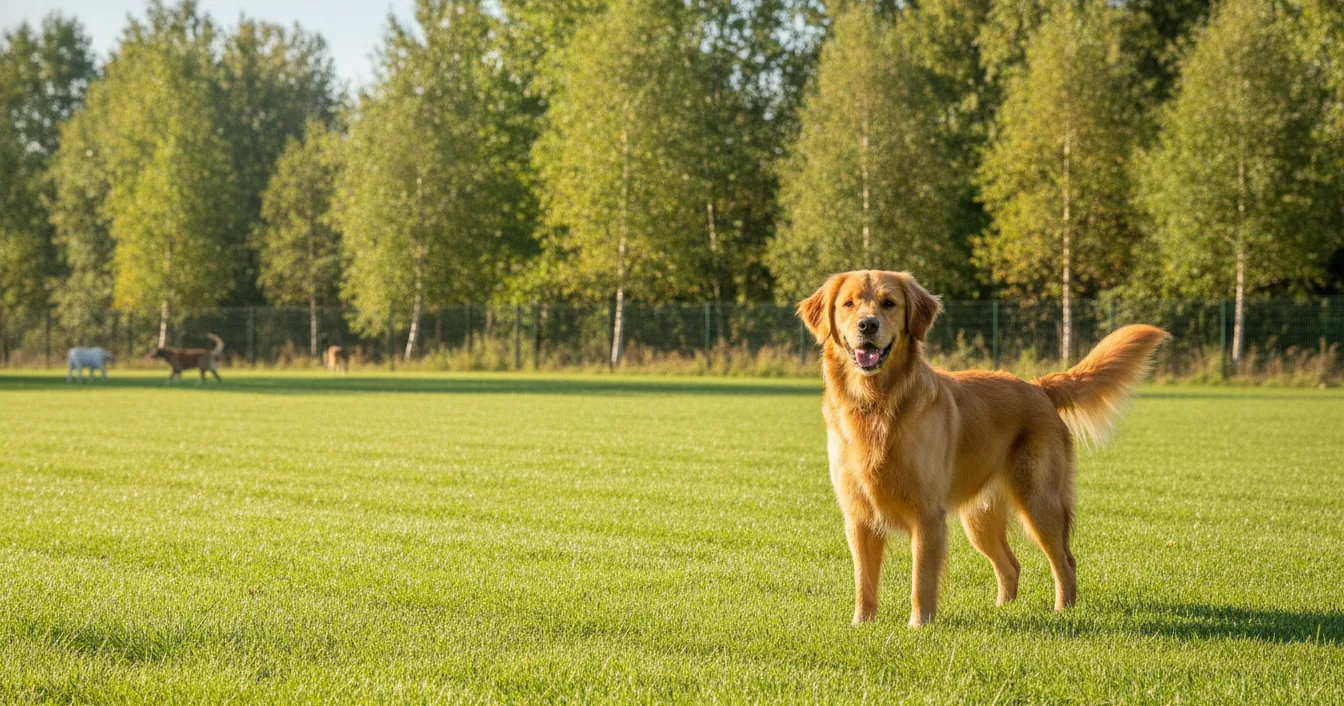
Summer is peak travel season, which makes it peak boarding season too. It is also peak tick season. Those facts collide in the one place your dog spends the most time at a boarding facility: the outdoor play yard. A grassy, shaded yard that backs onto a tree line is wonderful for zoomies and useless as a tick barrier, and it puts your dog in higher-exposure territory than the average fenced backyard at home. The reassuring part is that ticks are one of the most manageable boarding risks, as long as prevention is already working before drop-off and the facility runs a real check routine while you are away. Here is how to split that job between you and your hotel, and the questions that reveal whether a facility takes ticks seriously.
Why a Boarding Yard Is Higher-Risk Than Your Backyard
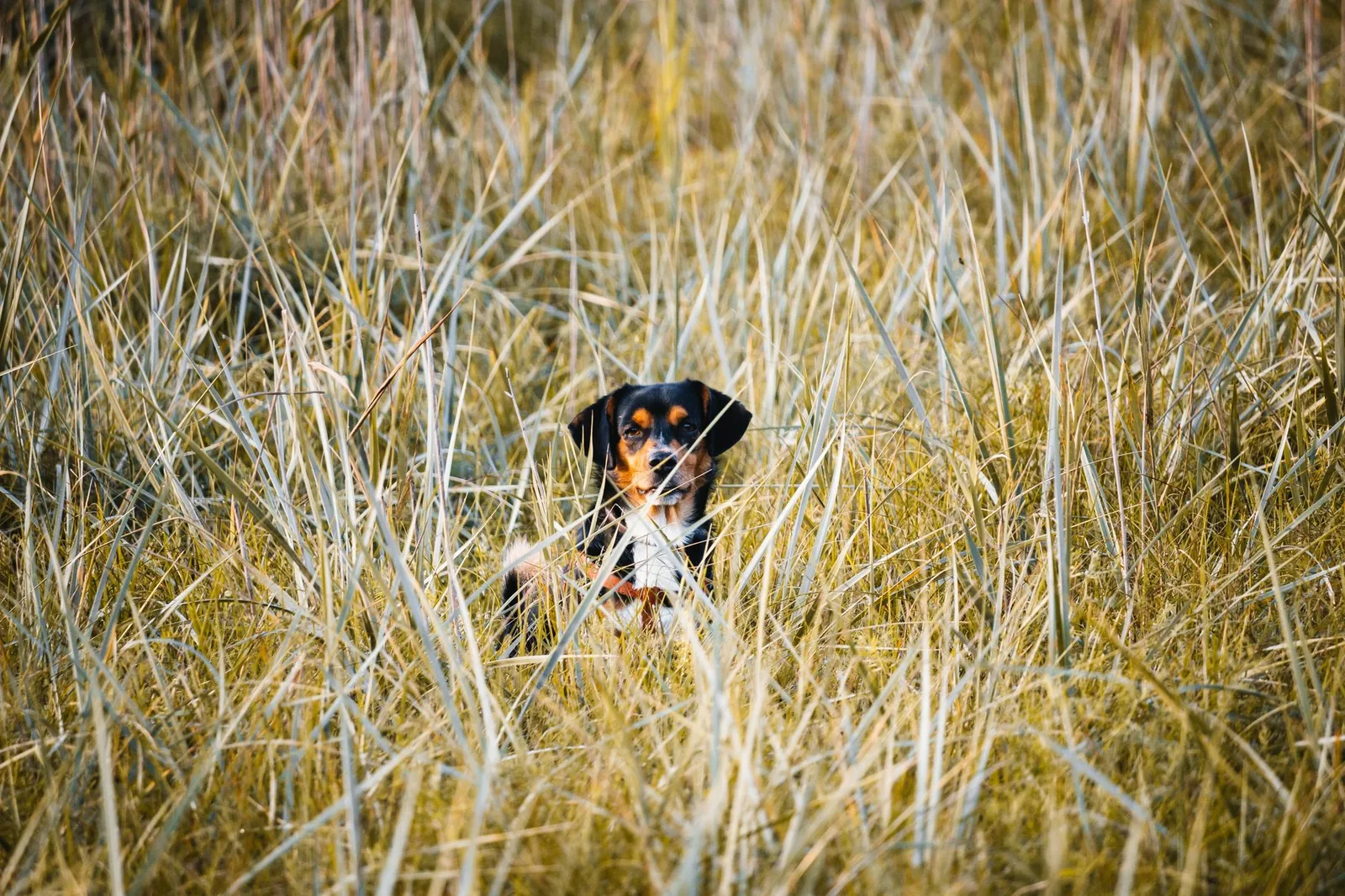
Ticks are not fussy about where they live. The American Kennel Club notes that the roughly 200 tick species in the United States survive and thrive in woods, beach grass, lawns, forests, and even urban areas, and they will feed on just about any mammal that brushes past. A boarding play yard checks several of those boxes at once: open grass, a shaded perimeter, and a steady parade of dogs tracking through it all day.
Two things raise the stakes in summer. First, spring and summer are when ticks are most active and questing for a host. Second, the diseases ticks carry are serious. The same AKC guidance links tick bites to Lyme disease, babesiosis, and ehrlichiosis, and notes that pathogen transmission can begin as quickly as three to six hours after a bite. That short window is the whole reason speed matters. The faster a tick is found and removed, the smaller the chance it passes anything on. A dog checked once at pickup, three days after a bite, has had far longer to be infected than one checked every day.
Get Prevention On Board Before You Pack
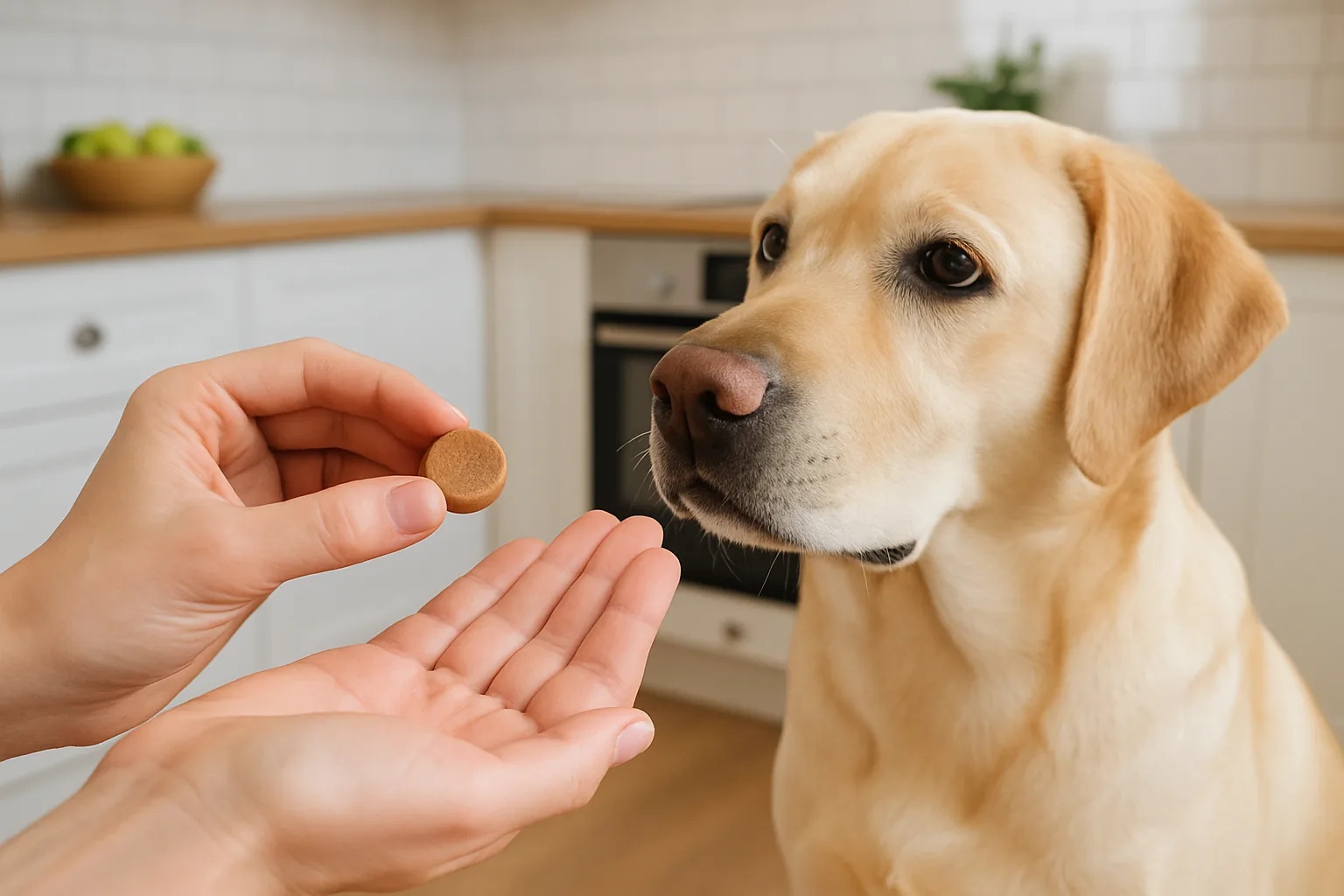
The single most effective thing you can do happens before your dog ever reaches the kennel: make sure tick prevention is active and current. Modern preventives come as monthly oral chews, topical spot-ons, and longer-acting tick collars, and many take a day or more to reach full effect. A dose handed over at the front desk on drop-off morning does not protect your dog on day one of the stay, the same timing trap that catches owners with vaccines.
Which product, which dose, and which combination is genuinely a veterinary decision, not a kennel one. Tick pressure and the specific diseases that circulate vary a lot by region, and puppies, seniors, and dogs with health conditions may need different choices. Talk to your veterinarian well before the trip, ask whether your dog is a candidate for the canine Lyme vaccine if Lyme is common where you live, and get the preventive refilled so it is not lapsing mid-stay. Then ask the facility whether they record each dog’s flea and tick preventive at intake. A hotel that bothers to write it down is a hotel that is paying attention.
What a Good Facility’s Tick Routine Looks Like
Prevention lowers the odds; it does not zero them. The rest of the job belongs to the facility, and a well-run one treats tick checks as a standing part of care rather than an afterthought:
- A visual once-over at intake, ideally noting any existing lumps, scabs, or skin tags, so a tick found later is not confused with something that was always there.
- A daily hands-on check during the stay, especially for dogs with access to grassy or wooded turnout, done after yard time rather than once at the end.
- Yard maintenance that works against ticks: mowed grass, cleared brush, and a gravel or wood-chip border between the play area and any unmanaged tree line, instead of a fence that opens straight into the undergrowth.
- Staff who are trained to remove a tick correctly, log where and when they found it, and call you rather than quietly handling it.
These are fair questions to ask on a tour, and they pair naturally with the other things a careful walk-through surfaces. The same well-kept, size-sorted day camp play groups that keep play safe tend to come with better-maintained yards, and the broader tour questions that reveal facility safety are worth running through in the same visit.
How to Check Your Dog at Pickup
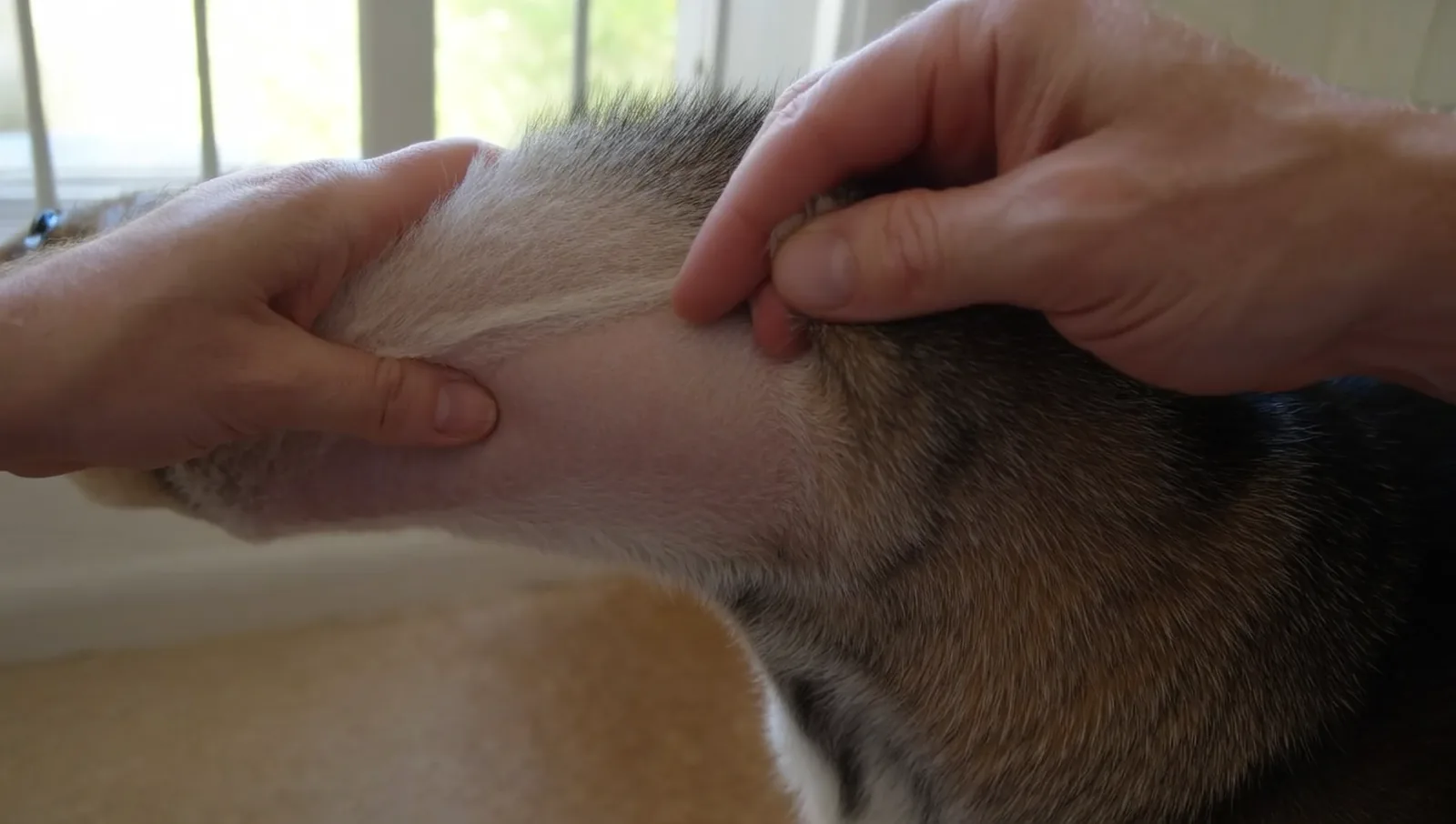
Do not wait until you get home. Give your dog a slow, deliberate once-over before you leave, running your hands over the whole body and feeling for any small bump. Ticks gravitate to warm, hidden spots, so pay special attention to:
- In and around the ears, including inside the ear flaps
- Around the eyes, muzzle, and lips
- Under the collar and along the neck
- The armpits, chest, and groin
- Between the toes and the pads
- Under the tail and around the rear
On a short-coated dog a tick can look like a small dark wart; on a thick or long coat you will often feel it before you see it. This pickup once-over is part of the same careful check that surfaces other signs a stay did not go well, so make it a habit every time.
Found a Tick? Remove It the Right Way
If you find one, stay calm and remove it promptly using the method the AKC recommends. Fine-point tweezers are the most effective tool, because the blunt household kind can tear the tick and raise the risk of infection. A dedicated tick-removal hook such as a Tick Tornado or Tick Take works well too and is easier for some people to handle. Then:
- Spread the fur to expose the tick clearly.
- Grasp it as close to the skin as possible.
- Pull straight upward in a slow, steady motion.
- Do not twist or jerk, which can snap the mouthparts off in the skin.
Ticks do not have a “head” in the usual sense; what stays behind if you rush is the mouthparts, which is exactly why controlled, straight-up pressure matters. Never use your bare fingers, since squeezing the body can inject more infectious material. Afterward, wash your hands, clean the bite site with rubbing alcohol, and disinfect the tweezers or tool.
One thing removal does not settle: tick-borne illness can take days or weeks to appear. If your dog develops lethargy, a shifting-leg lameness, fever, swollen joints, or loss of appetite in the weeks after a stay, that is a conversation for your veterinarian, not the kennel, and it is worth mentioning that a tick was found. When in doubt about a bite, a removal you are unsure of, or any symptom, call your vet.
The Questions That Tell You a Facility Takes Ticks Seriously
A confident, specific answer to each of these separates a hotel that manages ticks from one that simply hopes not to see any:
- Do you record each dog’s flea and tick preventive at check-in?
- Do you do a visual tick check at intake and note existing lumps?
- How often are dogs checked during the stay, and is it after outdoor play?
- How are the play yards maintained, and what separates them from brush or tree lines?
- If you find a tick, who removes it, how, and will you call me?
- Do you log a bite with the date and where on the body you found it?
Vague answers, or surprise that you asked, tell you as much as the words do. Ticks are a seasonal, solvable problem, not a reason to skip the trip. Pair your own prevention and a thorough pickup check with a facility that runs a real routine, layer these questions onto the groundwork in our guide to choosing the right dog hotel and the after-hours risks in our boarding kennel fire safety guide, and a summer boarding stay should end the way it should: with a tired, happy, tick-free dog.
Further reading (sources)
- American Kennel Club on how to remove a tick from your dog safely
- Companion Animal Parasite Council for year-round tick control and prevention guidance
- Centers for Disease Control and Prevention with the basics on ticks, bite prevention, and the diseases they spread
- American Veterinary Medical Association on external parasites and protecting pets from ticks