Kennel Cough at Dog Boarding: A Complete Guide to CIRDC Prevention, Vaccines, and Recovery
Published on June 2, 2026

Few things unsettle a returning traveler more than collecting a happy dog, then hearing a dry, honking cough start up a few days later. That cough is what most people call kennel cough, and a boarding kennel or daycare is exactly where dogs tend to catch it. The reassuring part is that serious cases are uncommon and prevention is mostly within reach. The catch is that prevention is a shared job. You bring the right vaccines and an honest health history, and the facility brings clean air, sane group sizes, and a real plan for the day a dog starts coughing. Here is what to ask for on both sides.
Kennel Cough Is Not One Illness, It Is CIRDC
“Kennel cough” is a nickname for canine infectious respiratory disease complex, or CIRDC. Veterinarians prefer the longer name because the cough is not caused by a single germ. As Dr. Ann Hohenhaus of the Schwarzman Animal Medical Center explains, researchers have identified at least 12 respiratory pathogens that can produce the same symptoms, which is why it is classed as a syndrome rather than one disease.
The usual suspects travel together. The bacterium Bordetella bronchiseptica is the most famous, but canine parainfluenza virus, canine adenovirus type 2, Mycoplasma, canine respiratory coronavirus, and canine influenza all belong to the mix, and many sick dogs carry more than one at once. They spread the way human colds do: airborne droplets from a cough or sneeze, shared water bowls and toys, and contaminated hands or clothing. A room full of dogs in close quarters is the perfect setting, which is exactly why the illness was named after kennels in the first place.
The Vaccines That Actually Matter Before a Stay
The headline vaccine is Bordetella, often called the “kennel cough shot.” It comes three ways: an intranasal spray, an oral form, and an injection, and the route matters more than most owners realize. According to the American Kennel Club, the intranasal and oral versions build protection faster, within about 48 to 72 hours for a single intranasal dose, and last at least 12 months. The injectable form needs two doses several weeks apart and does not give protective immunity until at least five days after the second shot.
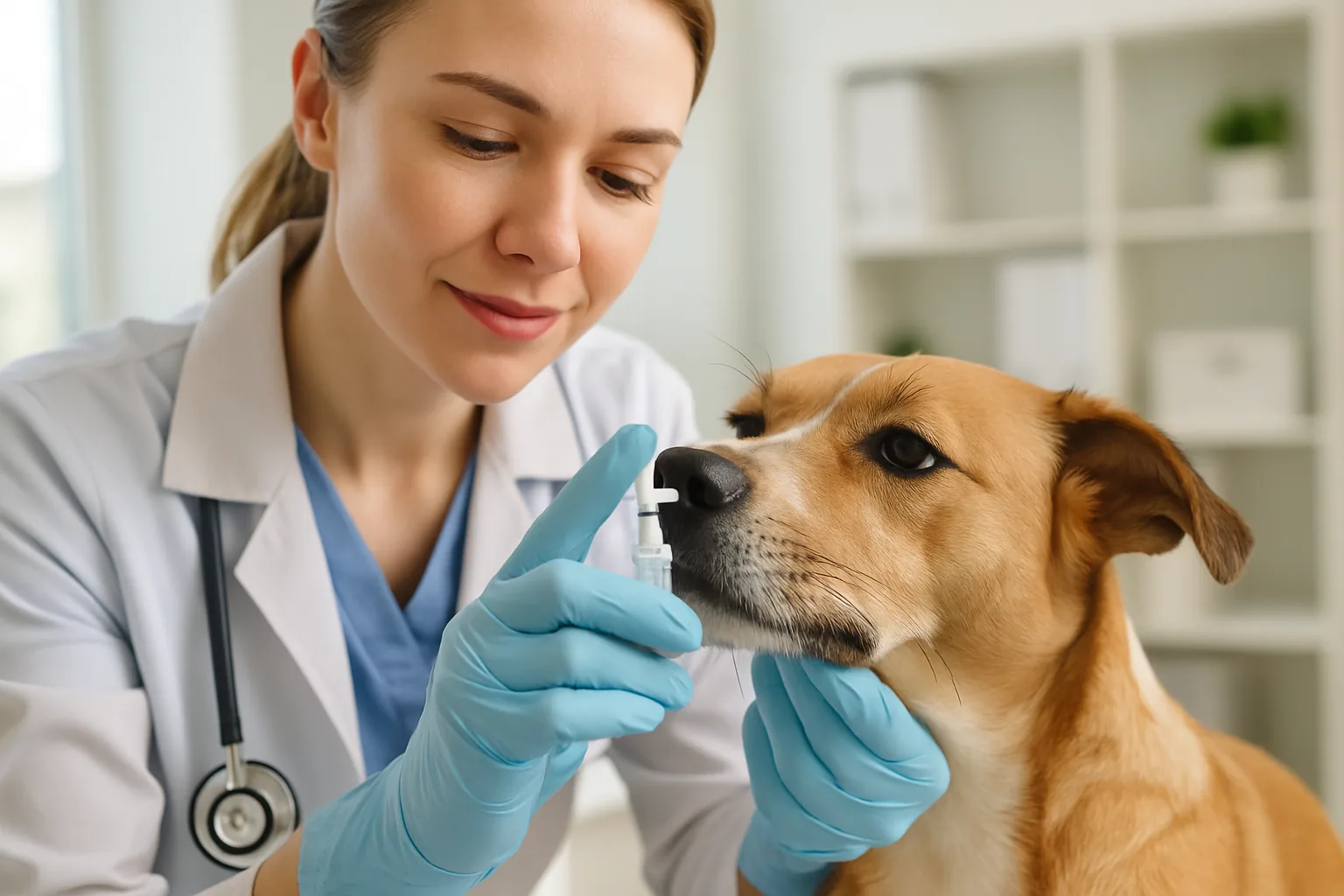
Because the pathogens travel together, the best vaccines do too. The American Animal Hospital Association recommends a combination intranasal product that covers Bordetella, canine parainfluenza, and canine adenovirus type 2 in one go, rather than a single-component shot. Bordetella is a noncore, lifestyle vaccine, so a dog that boards or attends daycare sits squarely in the group it is meant for. Boosters are usually annual, though some veterinarians advise a six-month booster for dogs at high risk.
Two more points decide whether any of this works. First, canine influenza is a separate vaccine that the Bordetella combinations do not include. If dog flu is circulating in your region, ask your veterinarian whether your dog should also have the two-dose influenza series. Second, and most important, timing. A vaccine given the morning of drop-off does almost nothing, because the immune system needs time to respond. Many reputable kennels require the kennel cough vaccine at least two weeks before check-in, partly because the live intranasal vaccine needs that window to take hold. One Scottish kennel recently made the news for turning away a string of dogs over lapsed or last-minute vaccines, choosing to lose real business rather than risk its license or its other guests. Book the appointment well ahead, and remember that only your own veterinarian can confirm the right protocol for your individual dog.
What a Well-Run Facility Does to Lower Transmission
Vaccines reduce the severity and spread of CIRDC, but they do not guarantee a dog will never catch it, so the environment carries the rest of the load. A serious facility starts at the front door with intake screening: proof of current vaccination on file, and a willingness to turn away any dog that arrives coughing, sneezing, or running a fever.
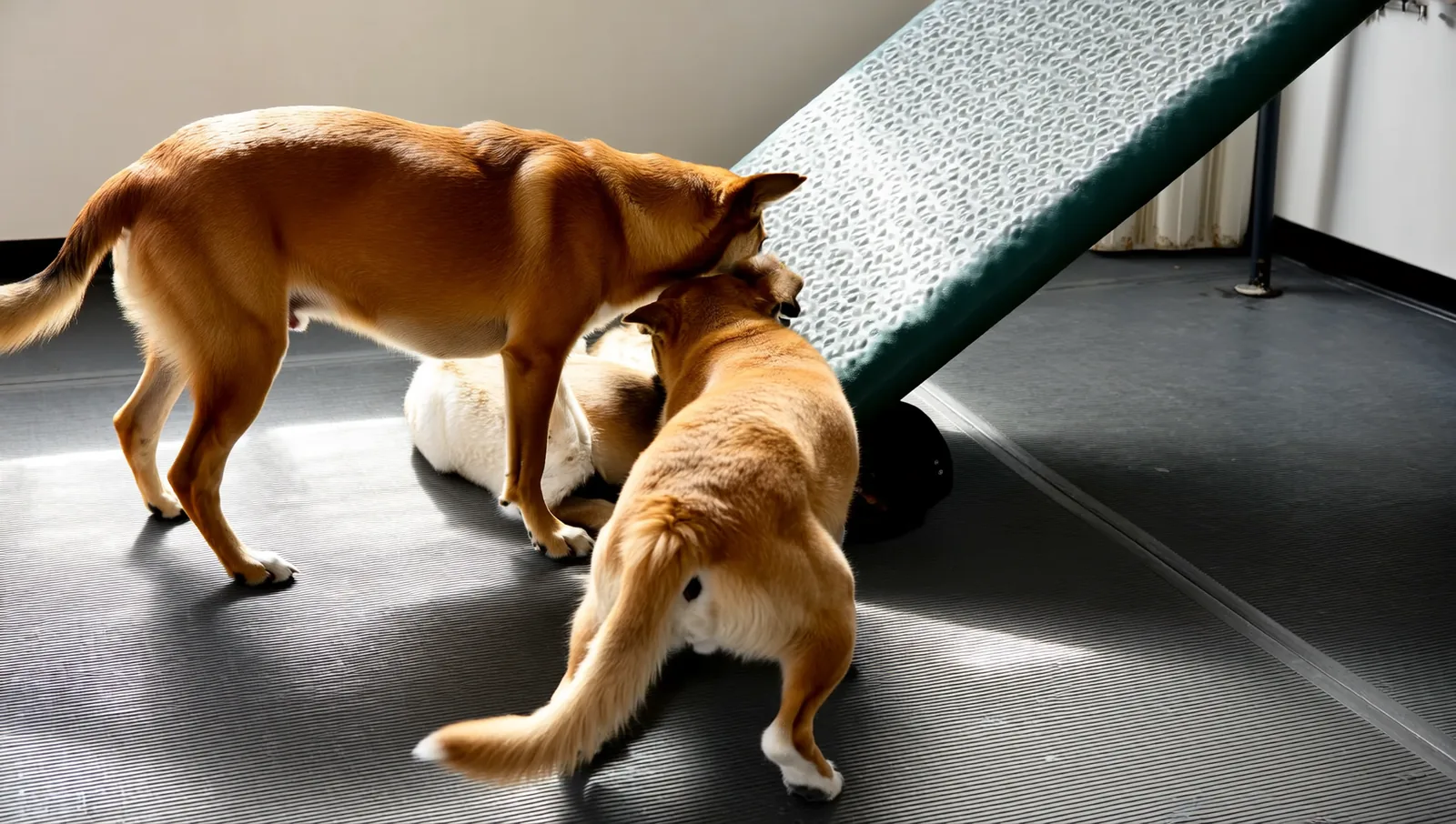
Air is the quiet hero. The Association of Shelter Veterinarians’ standards call for roughly 10 to 20 fresh-air changes per hour in animal housing, enough to flush out the airborne microbes and ammonia that otherwise build up indoors and irritate airways. Ask how the building is actually ventilated, not just heated and cooled. Beyond air, look for hard sealed surfaces that are disinfected between guests with enough contact time to work, individual water bowls instead of one shared trough, and a genuine isolation room with its own airflow where a coughing dog can be moved away from everyone else. Group play should be matched by size and temperament and kept to sensible numbers. The same thinking behind good day camp play groups also limits how fast a bug can move through a crowd.
Spotting the Symptoms, During and After the Stay
CIRDC has an incubation period of roughly 2 to 10 days, and dogs can shed the germs before they look sick at all. That lag is why the cough so often appears a few days after you get home rather than at pickup. The classic sign is a dry, honking cough, described in the Merck Veterinary Manual as a goose honk, often followed by a gag or retch that owners mistake for choking or something stuck in the throat. You may also notice sneezing, a runny nose or eyes, lower energy, a softer appetite, and a mild fever.
Most dogs shake it off within one to three weeks of rest. The cases that need a veterinarian are the ones sliding toward pneumonia: fast or labored breathing, a wet productive cough, a fever that will not break, refusing food, or real lethargy. Puppies, senior dogs, and dogs with weakened immune systems are most at risk, and flat-faced breeds deserve extra caution because their airways have so little margin to start with, as covered in our guide to boarding brachycephalic breeds. If your dog falls into one of these groups, call the vet sooner rather than later.
If Your Dog Comes Home Coughing
First, keep the cougher away from other dogs, because CIRDC stays contagious for days to weeks depending on the pathogen. Skip daycare, dog parks, and group walks until your veterinarian says the coast is clear. Let the dog rest, switch a neck collar for a harness so nothing presses on an irritated windpipe, and keep the air around it humid if you can. Call your veterinarian to describe the cough and ask whether the dog should be seen, especially if any of the warning signs above appear. Then tell the boarding facility. A good operator wants to know, because a single report can be the first clue to an outbreak they need to contain.
The Questions That Tell You a Facility Is Ready
A confident answer to a few pointed questions separates a kennel that manages respiratory illness from one that merely hopes to avoid it:
- What vaccines do you require, and how far ahead of check-in?
- What happens the moment a dog starts coughing mid-stay, and where exactly is your isolation space?
- How is the building ventilated, and how do you clean between guests?
- Will you call me if my dog develops symptoms, and do you pause new intakes during an outbreak?
Vague or surprised answers are themselves an answer. Our broader guide to choosing the right dog hotel covers the full checklist, and the same tour is a good moment to surface other facility safety hazards worth ruling out. Kennel cough will never be fully banished from a place where dogs gather, any more than colds vanish from a daycare full of toddlers. But between the right vaccines on your side and clean air, smart grouping, and a real isolation plan on theirs, a stay should end with a tired, happy dog and nothing more.
Further reading (sources)
- American Kennel Club on how the Bordetella vaccine works and when dogs need it
- Merck Veterinary Manual for the clinical picture of kennel cough and infectious tracheobronchitis
- American Animal Hospital Association with its guidance on Bordetella, parainfluenza, and canine influenza vaccines
- American Veterinary Medical Association on canine influenza and how it spreads
- Association of Shelter Veterinarians for standards of care, including ventilation in group animal housing
- Cumnock Chronicle reporting on a kennel turning away dogs over lapsed vaccines