Signs Your Dog Was Mistreated at Boarding: What to Watch for at Pickup and How to Respond
Published on May 11, 2026
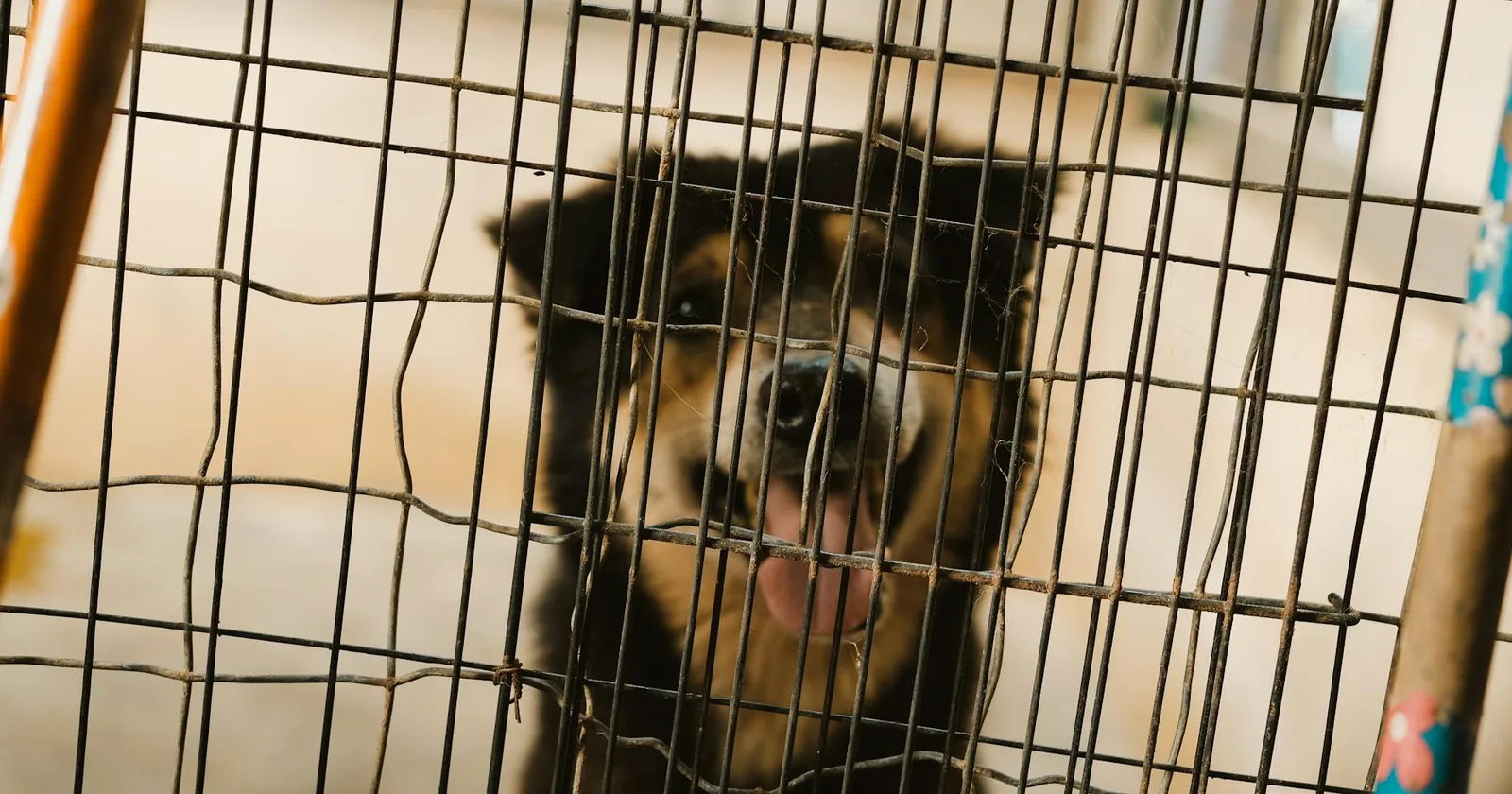
Most boarding stays end the way they should: a tired, happy dog trotting out to the lobby, a little clingy for a day, then back to normal. But not every stay goes that way, and pet parents deserve to know what a bad one looks like. In October 2025, news broke that prosecutors in King County, Washington had charged a former kennel worker with first-degree animal cruelty after he beat a black Lab named Mitch to death at a Ballard boarding facility. The dog had knocked something over. His owners had used the same business for years without a problem (MyNorthwest, 2025).
Cases that extreme are rare. Far more common are the quieter failures: a dog left in a soiled run, handled roughly, skipped on meals, or frightened by a careless staffer. Those leave marks too, just subtler ones. Here is how to read your dog at pickup and in the days that follow, how to document anything that worries you, and how to escalate if you believe your dog was mistreated.
Do a Hands-On Check Before You Leave
Do not just clip on the leash and walk out. In the lobby or the parking lot, run your hands over your dog the way a groomer or a vet would, and look for:
- Limping, stiffness, or reluctance to put weight on a leg. Ask the staff directly what happened and when.
- Raw, cracked, or worn paw pads, which can point to hours of pacing on hard surfaces or frantic scratching at a door or gate.
- Red, swollen, or discharging eyes and ears from untreated irritation or a dirty environment.
- Cuts, scrapes, fresh scabs, or swelling, especially around the muzzle, neck, and legs. Note anything that looks like a bite, a burn, or a pressure sore.
- A raw ring or broken hair around the neck from a collar left too tight or used to drag the dog.
- Broken or bloodied toenails, often the result of clawing at a kennel door.
- Sunken eyes, tacky gums, or visible ribs that were not there at drop-off. Dehydration and weight loss over a short stay are red flags for withheld food or water.
If something is wrong, photograph it before you leave the property, with the date visible, and ask for the facility’s incident report and daily care log on the spot. A well-run hotel keeps both. For what a properly run facility should look like in the first place, see our guide to choosing the right dog hotel.
Watch the Behaviour, Not Just the Body
A dog cannot tell you what happened, but a change in behaviour after a stay speaks loudly. Some letdown is normal. Many dogs are wiped out, extra thirsty, or a little needy for one to three days after boarding, and that alone is not cause for alarm. What should concern you is behaviour that is new, intense, or lasting:
- Cowering, flinching, or hiding from a specific kind of person, often men, or people in a particular uniform, or anyone holding a certain object. A sudden, targeted fear response frequently traces back to a specific bad experience.
- Flinching at raised hands, brooms, leashes, or loud voices.
- Food aversion or sudden resource guarding, such as refusing meals or snapping over a bowl when your dog never did before.
- House-training regression. A reliably trained adult dog soiling indoors can mean it was left far too long without a bathroom break, or is anxious.
- Hypervigilance and startle: pacing, scanning the room, unable to settle, jumpy at small sounds.
- Refusing to get back in the car, or panicking at the door of the facility on a later visit. Dogs remember places.
- Withdrawal, trembling, or unfamiliar aggression that lasts well beyond a few days.
Keep a simple written log: the date, what you saw, how long it lasted. A pattern over a week is far more persuasive to a veterinarian, an investigator, or a licensing board than a single rough evening.
See a Veterinarian Promptly

If you find any injury, or the behaviour changes are significant, book a veterinary exam soon and tell the vet you suspect mistreatment at a boarding facility. Ask them to document their findings in writing, including anything consistent with trauma, dehydration, or neglect. That record is the single most important piece of evidence you can have, and only a licensed veterinarian can make those clinical judgements. If your dog is in obvious distress, go straight to an emergency clinic. In the Seattle case, the vet who treated Mitch said his chances would have been better had he been brought in sooner.
Build Your Documentation
Before you escalate anything, gather:
- Photos and video of injuries and of worrying behaviour, timestamped.
- Your written timeline from drop-off through the days after pickup.
- All veterinary records and invoices.
- The facility’s incident report, daily logs, and any camera footage from your dog’s stay. Request these in writing, and make a note if the facility refuses. Many hotels now offer webcam access, so ask specifically whether the recordings from those days were retained.
- Your contract, vaccination paperwork, and every text or email exchanged with the facility.
- Names of everyone you spoke with.
Know the Escalation Path
Work up the ladder, in writing wherever you can:
- The facility. Send a calm, factual written complaint describing what you found and what you want, whether that is an explanation, the incident report, or reimbursement of vet bills. Give them a fair chance to respond, but do not let “we’ll look into it” become the end of it.
- Local animal control or animal services. This is the agency that investigates neglect and cruelty in your county or city. It can inspect the facility and file official reports.
- Your state licensing authority. In most states, boarding kennels are licensed and inspected by the department of agriculture, a state board of animal health, or a similar body. File a formal complaint so inspectors can audit the facility’s records and conditions. Requirements vary by jurisdiction, so look up your own state’s rules rather than assuming.
- Consumer channels. A factual public review and a Better Business Bureau complaint warn other pet parents and create a paper trail. Small claims court can recover vet costs without a lawyer.
- Law enforcement. If you believe your dog was deliberately harmed, call the police and ask for a report. Every U.S. state has felony animal cruelty statutes, and prosecutors do bring these cases, as the Ballard prosecution shows. Groups like the ASPCA and the Animal Legal Defense Fund publish state-by-state reporting guidance and can point you toward local resources.
If the money at stake goes well beyond a small claim, or you are weighing a civil suit, talk to an attorney who handles animal law in your state. This article is general guidance, not legal advice.
Reporting Protects More Than Your Dog
Filing reports feels exhausting when you are also nursing a shaken dog back to normal. Do it anyway. Inspectors connect dots across complaints, and a pattern you help establish can be what finally pulls a licence or removes a dangerous employee. Mitch’s owners said it plainly: they wanted to make sure it never happened to another dog.
Careful pickups, honest record-keeping, and a willingness to escalate are how pet parents hold the good facilities to their word and push the bad ones out. And when you are ready to board again, a hotel with trained staff, open webcams, nothing to hide on a tour, and well-supervised day camp groups is the best insurance there is.
Further reading (sources)
- MyNorthwest on the Ballard kennel case and the cruelty charges that followed
- ASPCA for how to report animal cruelty in your area
- The Humane Society of the United States with guidance on recognising and reporting neglect
- Animal Legal Defense Fund on state-by-state animal protection laws and how to report
- American Veterinary Medical Association for boarding your pet and the signs of a stressed dog
- Fear Free Pets with what fear-free handling should look like in practice
Feature photo by Ayyeee Ayyeee on Pexels.