When Boarding Gets Too Expensive: How to Trade Down Safely as Pet Care Costs Outpace Wages
Published on October 5, 2026
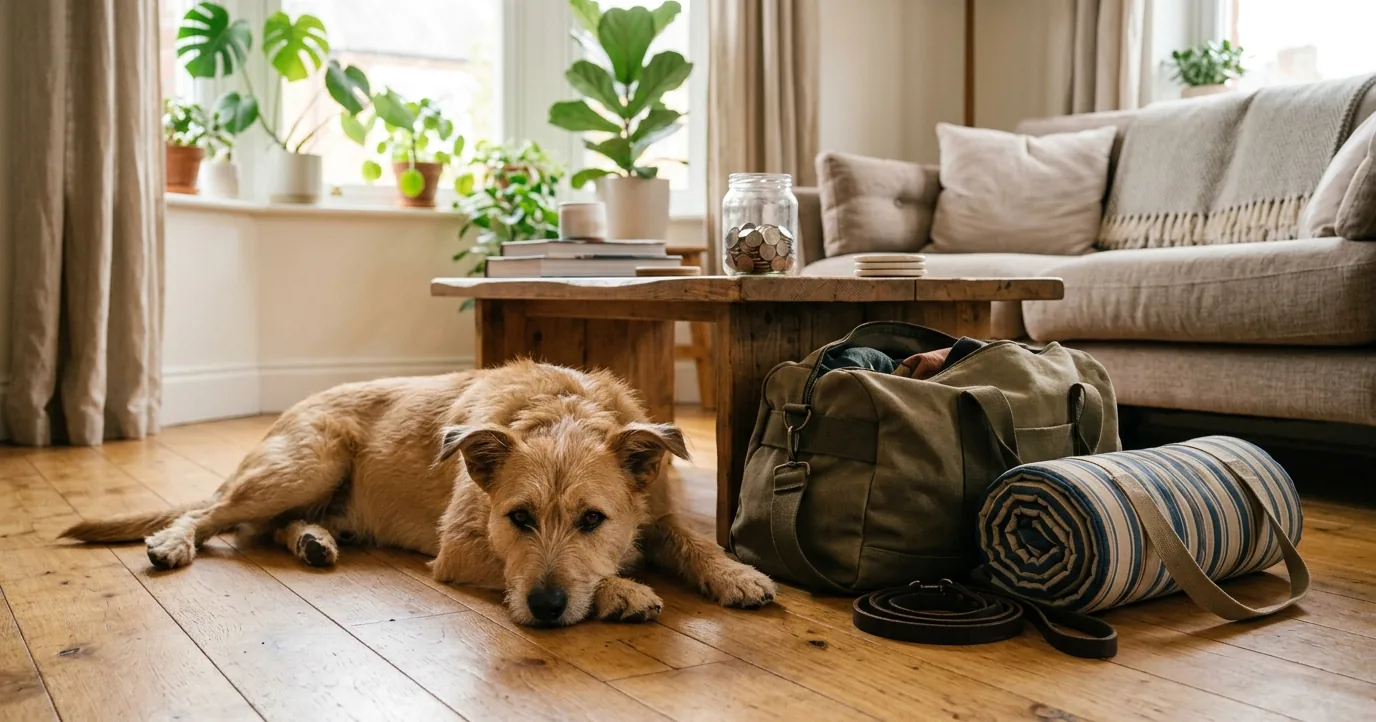
A week of boarding costs more than it did a year ago, and the price is climbing faster than pay. The Bureau of Labor Statistics keeps a consumer price index for pet services, a category that covers kennel boarding, daycare, pet sitting, dog walking, grooming and training. In the twelve months to August 2026 it rose about 4.6 percent, while average hourly earnings for private-sector workers rose about 3.1 percent. The gap has been building for years. Between August 2019 and August 2026, the pet services index climbed about 44 percent and hourly pay about 34 percent.
Owners are responding the way households respond to most rising bills. Few are giving up on care altogether; more are buying less of it, or buying it somewhere cheaper. Some of those choices cost the dog nothing. Others shave a little off the price by quietly removing the things that keep a dog safe while its owner is away. This guide sorts one from the other, and shows how to read a nightly rate that looks too good to be true.
Trading Down, Not Dropping Out
The industry’s own figures tell the same story. The American Pet Products Association puts US pet spending at $158 billion in 2025, with $14.3 billion of it going on services outside veterinary care: boarding, grooming, insurance, training, sitting and walking. Yet 22 percent of owners in its survey said they spent less on their pets in 2025, and spending shifted away from discretionary items toward essential care. Analysts at Morgan Stanley describe persistent inflation pushing up the cost of food, vet care and grooming, and they are clear about what it has not done. “People are not abandoning pets,” said Simeon Gutman, the bank’s retail analyst, “but they are making more deliberate spending decisions, balancing cost, convenience and care.”
In boarding, deliberate spending tends to take a few familiar shapes: a shorter stay, a cheaper room or a cheaper kennel, a sitter found through an app, or a dog left with a neighbor or relative. None of these is wrong in itself. What matters is what each one takes away, because the line between a sensible saving and a risky one runs through the details rather than the price.
Savings That Cost Your Dog Nothing
These economies trim the bill without touching supervision, health checks or containment.
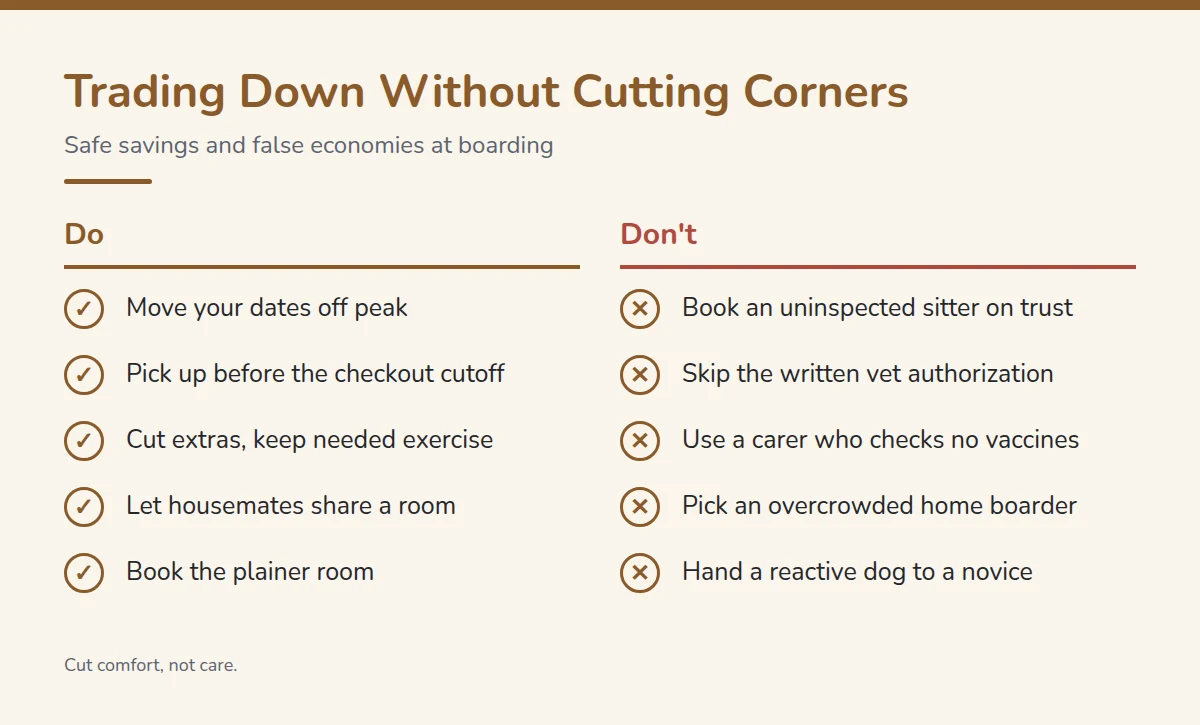
Move your dates off peak. Holiday weeks and school breaks are when kennels fill up, and many charge more for those weeks or set minimum stays. If your trip can shift by a week, ask for the rate on both sets of dates. A quieter week is usually a calmer one for the staff as well, so the saving comes with a welfare bonus.
Count nights, not days. Ask exactly how the kennel bills. Some charge by the night and some by the calendar day, and many add a day, or a daycare fee, for pickups after a set checkout time. Dropping off later on the day you leave and collecting before the cutoff on the day you return can take a full day off the bill without changing your dog’s care at all.
Cut the extras, not the essentials. Boarding menus have grown long: suite upgrades, webcam access, bedtime treats, extra cuddle sessions, pool time, a bath before going home. Most of that is comfort rather than care, and it can go. Keep anything your dog actually needs. If the base package includes one short turnout and your dog is a young working breed, the extra play session is not really an extra. Medication handling is never optional either.
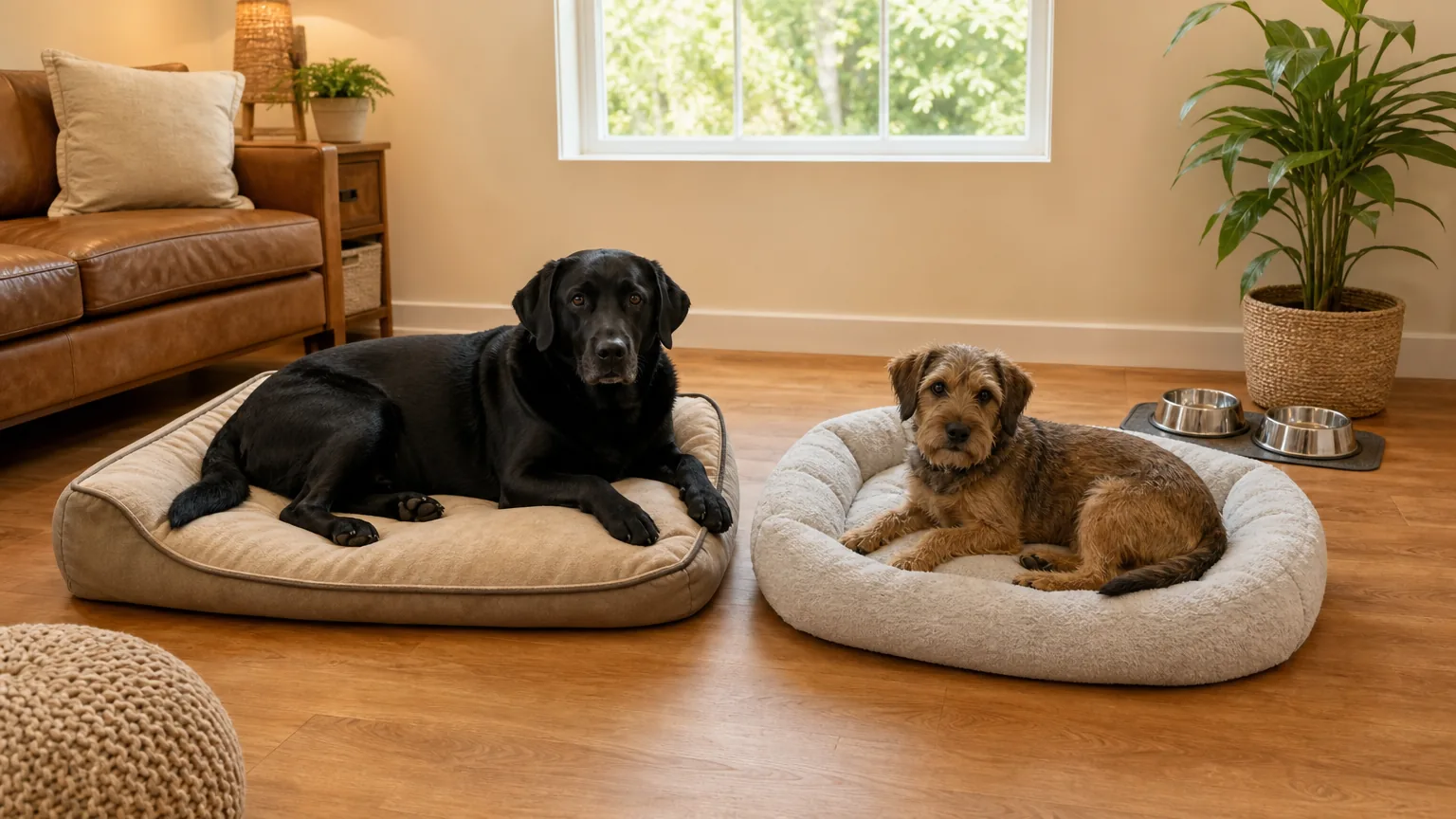
Let housemates share a room. Many kennels discount a second dog that shares its housemate’s suite. For two dogs that already sleep together at home, eat calmly side by side and do not guard toys or beds, that is a genuine saving. California’s boarding law requires one pet per enclosure unless the owner agrees otherwise, so the choice is yours to make, and you can still ask for meals to be fed apart. Rooming your dog with another family’s dog is a different decision with different risks, covered in our guide to buddy suites and pair housing.
Send the food your dog already eats. A sudden change of diet can upset a dog’s stomach, so sending its usual food, portioned out by meal, is kinder to its gut. Where a kennel prices house food separately, it saves money too.
Choose the plainer room. A standard run in a well-staffed kennel beats a themed suite in a thinly staffed one. Your dog will not notice the wallpaper or the television. What your money should buy is time with people: supervision, turnout, and somebody checking on the dogs at night.
Shorten the stay at either end. If a friend or relative who already knows your dog can cover the first or last night in your own home, the paid stay gets shorter. Who that person is matters more than the arrangement, which leads to the savings that are not savings at all.
Savings That Are Not Savings
These choices lower the price by removing the checks that protect your dog. Each one looks like a reasonable shortcut until the night it matters.
Care that nobody inspects. A great deal of informal care is entirely legal, which is exactly why it needs checking. In England, someone who boards dogs in their home needs no licence while their trading income stays under the HMRC trading allowance, and a sitter who looks after a dog in its own home needs none at all. Colorado’s Pet Animal Care and Facilities Act does not apply to anyone boarding three or fewer animals at a time, nor to the technology platforms that match owners with sitters. California’s boarding law covers “any lot, building, structure, enclosure, or premises” where four or more pets are boarded for pay, so smaller arrangements sit outside it. A sitter with a friendly profile and three dogs on the sofa can be fully within the law and never have met an inspector. A 2025 state review of Colorado’s program estimated that about 30 percent of the complaints it receives concern unlicensed facilities. Where nobody inspects, you are the inspection, and the official standards below make a good checklist even where they do not legally apply.
No written vet authorization. If your dog is hurt or ill and nobody can reach you, whoever is holding the leash has to act for you at the vet, and without written instructions they are left guessing about treatment and payment. The University of Florida’s veterinary hospitals suggest that owners write a pet care emergency authorization setting out their wishes on treatment and cost, and give signed copies to both the sitter and their own vet. Regulated operators are expected to plan for this. California requires boarding facilities to keep written procedures for emergency care and veterinary treatment, and England’s home boarding standards require the owner’s consent and a vet’s direction for any treatment, with the dog’s own vet and the signed consent forms on record. A carer who never asks for any of this has not planned for the bad night. Whoever looks after your dog, fill in the form yourself.
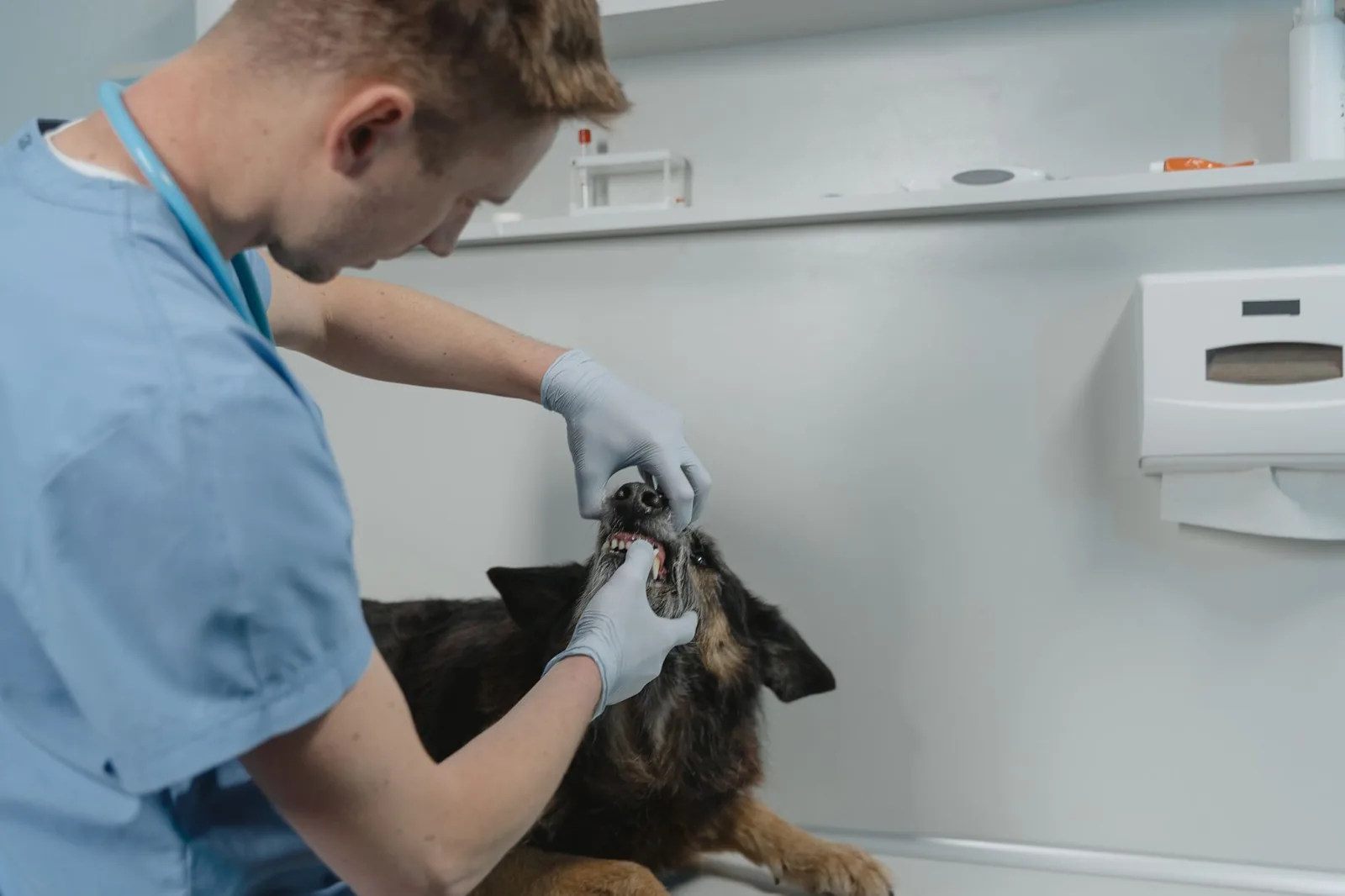
No vaccination check. A carer who does not ask for your dog’s records is not asking anyone else’s either. England’s home boarding standards require an up-to-date vaccination record to be seen for every dog in the home, the boarder’s own dogs included, covering parvovirus, distemper, infectious hepatitis and leptospirosis, and a kennel cough vaccine may be required too. Kennels and daycares are where dogs tend to pick up respiratory infections, as our kennel cough guide explains, and a house with a rotating cast of canine guests faces the same exposure, often without any screening at the door.
The overloaded home. Home boarding can undercut a kennel because there is no commercial building to pay for and, in the worst cases, because one person takes in more dogs than one person can watch. English licences state the maximum number of dogs each home may board, and the boarder’s own dogs count toward it. Dogs from different households may only stay at the same time with the written consent of every owner, and dogs must not routinely be left alone for more than three hours in any 24. Those make good questions anywhere. How many dogs will be in the house, whose are they, and how long will mine be alone each day? A carer who works a full-time job elsewhere is offering a bed, not supervision.
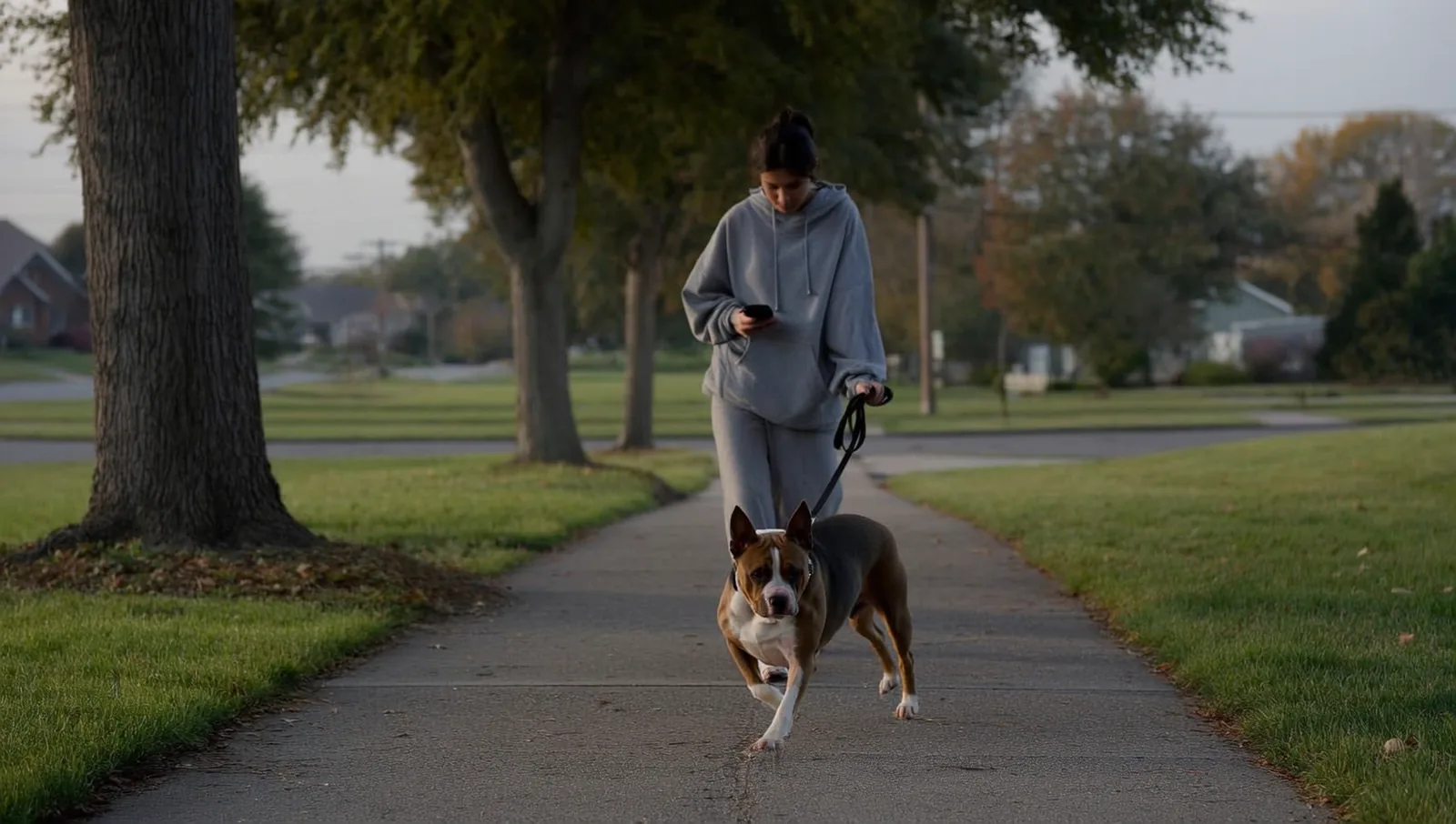
A willing neighbor who has never handled your dog. A neighbor or relative who loves dogs is not automatically someone who can manage yours. The risk is sharpest with a dog that lunges on the leash, bolts through doors or has escaped before, because the failure comes suddenly: a lunge at another dog on the first walk, or a dash past someone’s legs while the front door is open for a delivery. England’s home boarding standards require everyone who cares for the dogs, including anyone in the household over 16, to be competent to handle them and to recognize and deal with problem behavior, and two secure barriers between a dog in the garden or yard and any exit count toward a higher star rating. Hold a friend to the same standard. Walk your dog together first, show them how the harness fits, and if your dog is reactive, read our guide to boarding anxious or reactive dogs before you hand over the leash.
How to Read a Suspiciously Cheap Nightly Rate
Every boarding price pays for something: staff hours, a building, insurance, a licence, someone on site at night. When one quote comes in far below every other in your area, the difference has come out of one of those lines, and it is worth finding out which.
Get two or three quotes from established local kennels first, so you know the going rate where you live. Then put these questions to the cheaper option:
- What does the nightly rate include? Ask for the price of the whole stay with your dog’s real needs added: food, medication, and the exercise it actually requires. A low headline rate with a long list of extras can end up costing more than the kennel down the road.
- How many hours a day is someone with the dogs, and is anyone there overnight?
- How many dogs will be there at once, and how many people look after them? Our guide to capacity and staff-to-dog ratios shows what sensible numbers look like.
- Where will my dog sleep? Some businesses sell boarding without owning a kennel and place dogs with partner kennels or in staff homes. Get the address in writing, as our guide to overflow and off-site housing explains.
- Who licenses or inspects you? Ask to see the licence where one is required, and check it with the body that issued it.
- What do you need from me? A carer who asks for vaccination records, an emergency vet authorization and a description of your dog’s habits is showing you how the business runs. One who asks for nothing is showing you too.
A low price is not proof of a bad operator. A no-frills kennel can be clean, safe and well staffed and simply spend nothing on decor or marketing. The difference shows in the answers. Colorado’s review also noted that the program often receives complaints about daycare facilities without enough staff to watch the number of dogs in their care, which is exactly the shortfall a rock-bottom rate can hide.
Cut Comfort, Not Care
Trading down is a reasonable response to prices rising faster than pay, and most owners can take a real amount off a stay without touching their dog’s safety. Shorter stays, cheaper dates, plainer rooms and fewer extras all leave the essentials in place. The essentials are supervision, vaccination checks, written vet authorization, secure containment and a carer who can genuinely handle your dog. If a price only works by removing one of those, it is not a cheaper version of the same care. It is a riskier product with a lower price on it. If even a trimmed bill is out of reach, a shorter trip, or a capable person your dog already knows staying in your home, is the safer place to look for savings.
Further reading (sources)
- Bureau of Labor Statistics on the consumer price index for pet services and the kennel boarding, daycare and sitting it covers
- Bureau of Labor Statistics for average hourly earnings of private-sector workers
- American Pet Products Association with its 2026 report on value-seeking and owners spending less
- American Pet Products Association on 2025 pet spending by category, including boarding and other services
- Morgan Stanley Research covering how rising costs are making pet owners more selective
- GOV.UK for England’s home boarding standards on dog numbers, vaccinations and consent
- Colorado Office of Policy, Research and Regulatory Reform with its 2025 sunset review of the Pet Animal Care and Facilities Act
- California Legislative Information on the four-pet threshold that defines a boarding facility
- California Legislative Information for boarding care rules on shared enclosures and emergency procedures
- UF Veterinary Hospitals on leaving a signed emergency authorization with your pet sitter