Breed-Specific Boarding: What Your Dog's Breed Means for Their Hotel Stay
Published on August 28, 2026
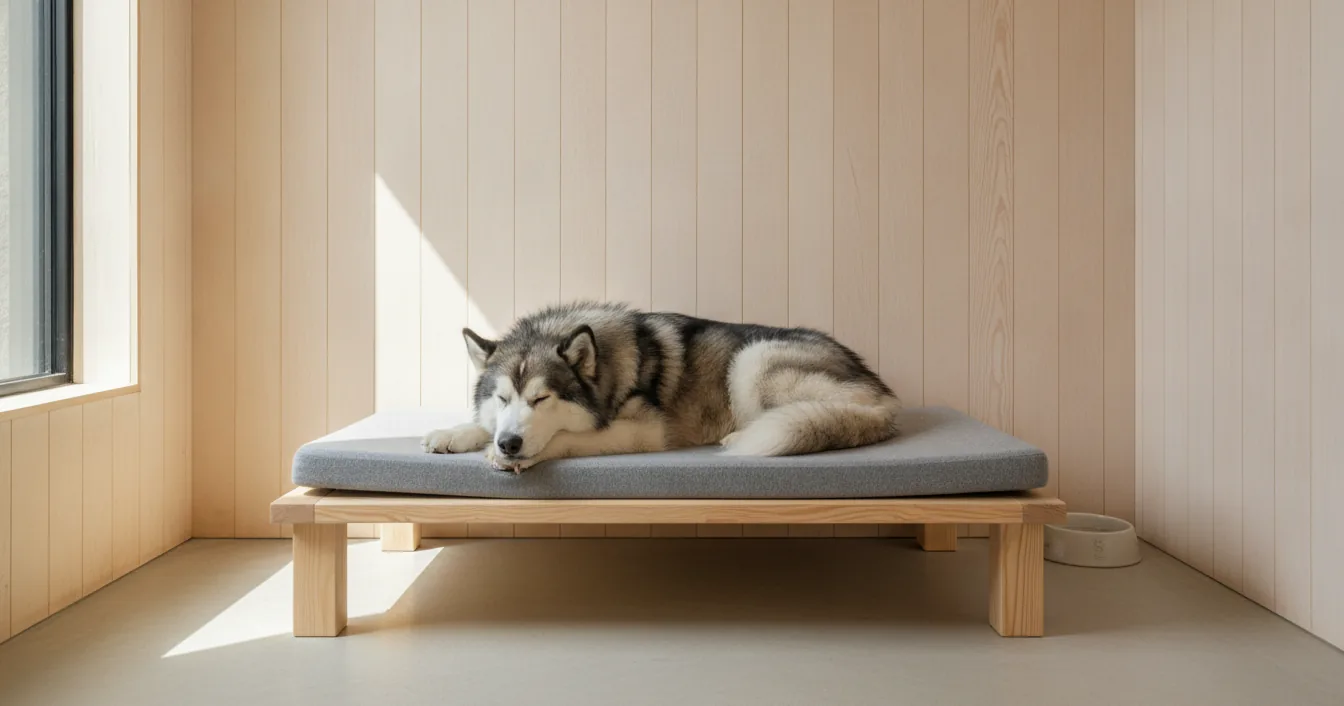
Two dogs check into the same facility on the same afternoon. One is a Chihuahua who weighs six pounds and has never met a stranger she liked. The other is an Alaskan Malamute built to haul freight across frozen ground. They get the same run size, the same play group, the same climate setting, and the same twice-daily walk. One of them is going to have a bad week.
Breed does not determine everything about a boarding stay, but it does set the physical and behavioural starting conditions: how much floor space a dog needs, how it sheds heat, how much mental work it demands before it invents its own, and how it feels about strange dogs and strange handlers. Good facilities adjust for all four. Here is how the main breed traits change what a stay should look like, and what to raise with a kennel before you book.
Breed Is a Shorthand, Not a Diagnosis
Start with the caveat, because it matters. Breed describes tendencies across a population, not the dog standing in front of you. Plenty of Border Collies are content with a quiet routine, and plenty of Labradors are anxious in kennels. Mixed-breed dogs draw traits from several directions at once.
Treat breed as a prompt for the right questions rather than a script. Your own knowledge of your dog, plus anything your veterinarian has flagged, always outranks the breed profile. Age layers on top of it too, since the needs of a young puppy on its first stay differ from those of the same dog at seven. What breed gives you is a reliable list of what to check.
Size Sets the Physical Requirements
Size is the most visible trait and the one facilities most often get wrong by rounding down. A giant breed needs a run it can turn around and stretch out in, not a large run that is merely the biggest one available. Ask about actual dimensions rather than the label on the suite.
Weight also changes the hardware. Latches and gate heights that hold a Beagle are a different proposition for a 130-pound dog that can lean on them, and a slip lead is not enough control for a dog stronger than the person holding it. Ask how many staff handle the biggest guests and what leads they use.
For deep-chested breeds such as Great Danes, Weimaraners, Standard Poodles, and setters, feeding protocol carries real medical weight. Gastric dilatation and volvulus, commonly called bloat, is a life-threatening emergency, and veterinary guidance generally favours smaller, calmer meals with rest either side rather than a big bowl followed by a play session. If your dog is in a high-risk group, say so at drop-off, put the feeding routine in writing, and confirm the facility knows the emergency signs.
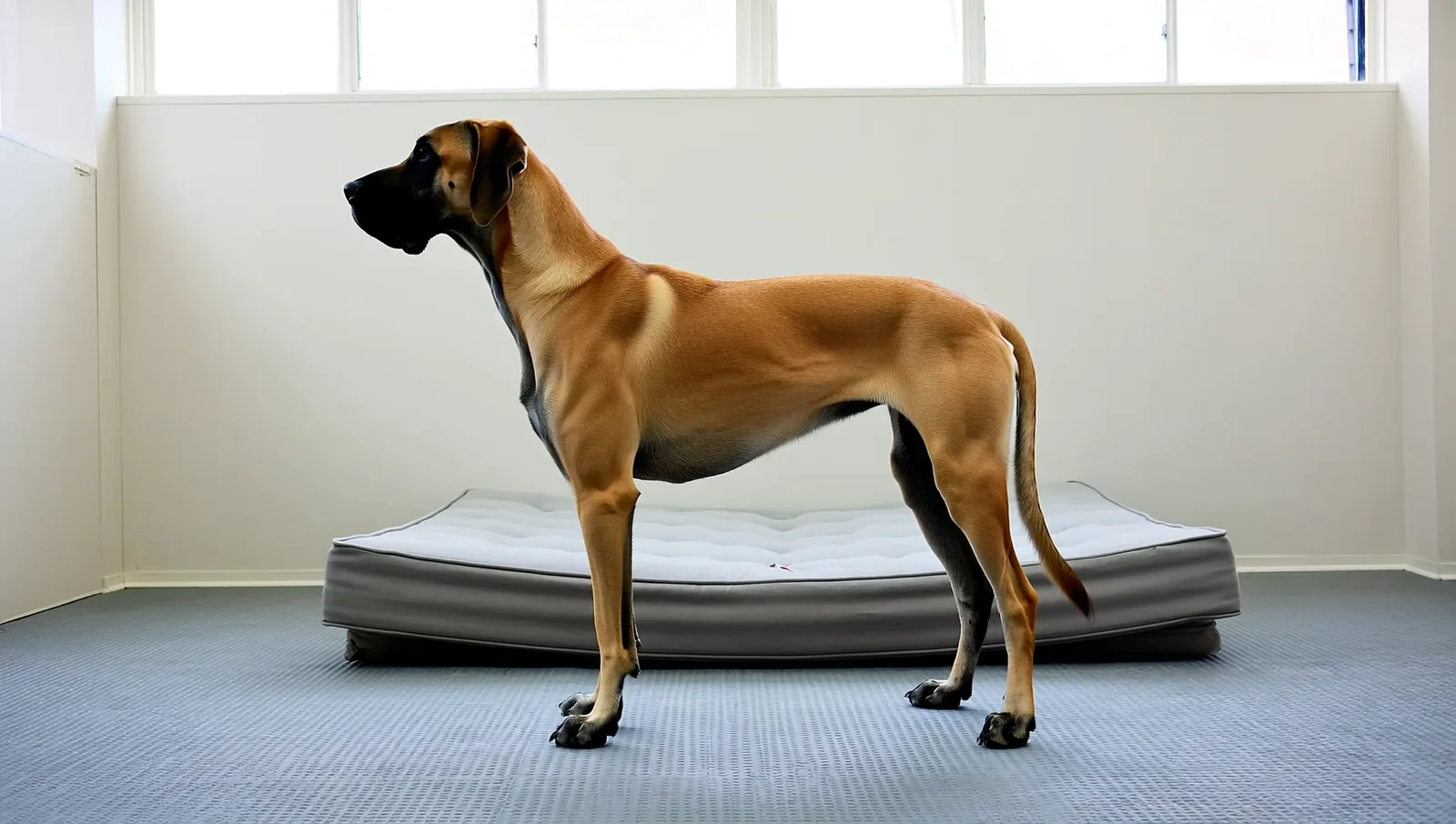
Giant breeds also age faster than small ones, reaching their senior years around five or six. A five-year-old Great Dane may need the slower handling and orthopedic bedding a kennel reserves for grey muzzles.
Coat Type Decides How the Building Must Be Run
Coat is the trait owners most often underestimate. A double-coated northern breed like a Malamute, Siberian Husky, Akita, Newfoundland, or Bernese Mountain Dog carries insulation built for cold work and struggles in a warm, poorly ventilated kennel. In summer, these dogs need genuine climate control, shaded outdoor time limited to the cooler ends of the day, and constant water. Never let anyone shave a double coat to “help,” since the undercoat is part of how the dog regulates temperature and it does not always grow back correctly.
The opposite problem belongs to thin-coated and low-body-fat breeds. Greyhounds, Whippets, Italian Greyhounds, and other sighthounds, along with hairless breeds, lose heat fast on a concrete floor and need raised beds, blankets, and often a coat for winter walks. A kennel kept at a temperature that suits a Husky can be genuinely cold for them.
Long or dense coats bring a third issue: matting and drying. A wet double coat takes a long time to dry, and heated drying equipment is one of the more serious hazards in a grooming room. If your dog will be bathed during the stay, ask specifically how dogs are dried and whether anyone stays with them the whole time.
Working Energy Needs a Job, Not Just a Yard
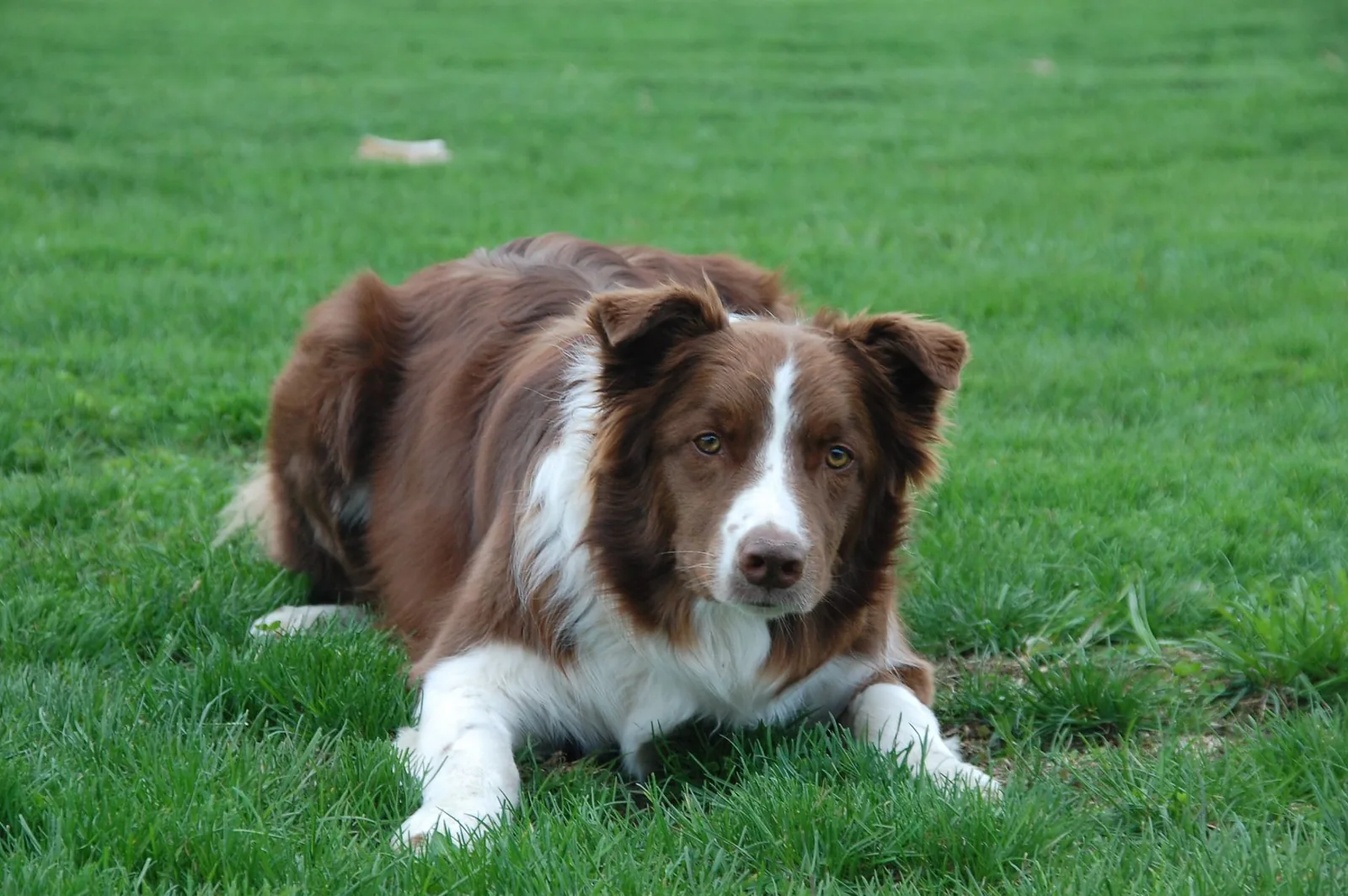
Herding and sporting breeds were built to work all day alongside a person. Border Collies, Belgian Malinois, Australian Shepherds, German Shorthaired Pointers, and working-line retrievers do not switch that off because they are on holiday. Turned out in an empty yard and put back in a run, a dog like this gets frustrated, and frustration in a kennel shows up as barking, pacing, spinning, chewing at gates, and fence climbing.
What these dogs need is structured mental work: scent games, food puzzles, training sessions, and one-to-one handler time, not simply more minutes outdoors. Ask what enrichment actually consists of and how often it happens, since “plenty of exercise” can mean anything. Well-run day camp programmes suit high-drive dogs well, provided the groups are matched by play style rather than thrown together.
Escape planning belongs in this section too. Scent hounds follow a trail and stop listening, terriers dig, and several working breeds climb or jump surprisingly well. A double-gated entry, secure perimeter fencing with no gaps at ground level, and staff who never open an outer door with a loose dog in the room are worth confirming with your own eyes.
Guardian and Aloof Breeds Need Handler Consistency
Guardian breeds are loyal, watchful, and naturally suspicious of strangers, which is precisely the trait a boarding kennel stress-tests. Akitas, Anatolian Shepherds, Cane Corsos, Rottweilers, and similar breeds often cope poorly with a rotating cast of handlers, and many are intolerant of unfamiliar dogs, particularly of the same sex.
For these dogs, look for a small, consistent staff team, individual play sessions rather than open group play, and handlers who let the dog approach on its own terms instead of reaching over its head on day one. A facility that describes a slow introduction and named primary caregivers understands the breed. One that promises every dog joins the big playgroup does not.
Be aware that some facilities and their insurers restrict specific breeds, and that local ordinances vary by jurisdiction. Ask about restrictions early rather than at check-in, and get any conditions in writing.
Toy Breeds: Small Is Its Own Set of Risks
Little dogs are not simply scaled-down versions of big ones. They lose body heat quickly, run through their energy reserves faster, and are physically fragile in a way that changes what a safe day looks like. Very small or very young toy dogs can be prone to low blood sugar if meals are skipped, which makes appetite monitoring more urgent than it would be for a Labrador who skips one dinner out of nerves.
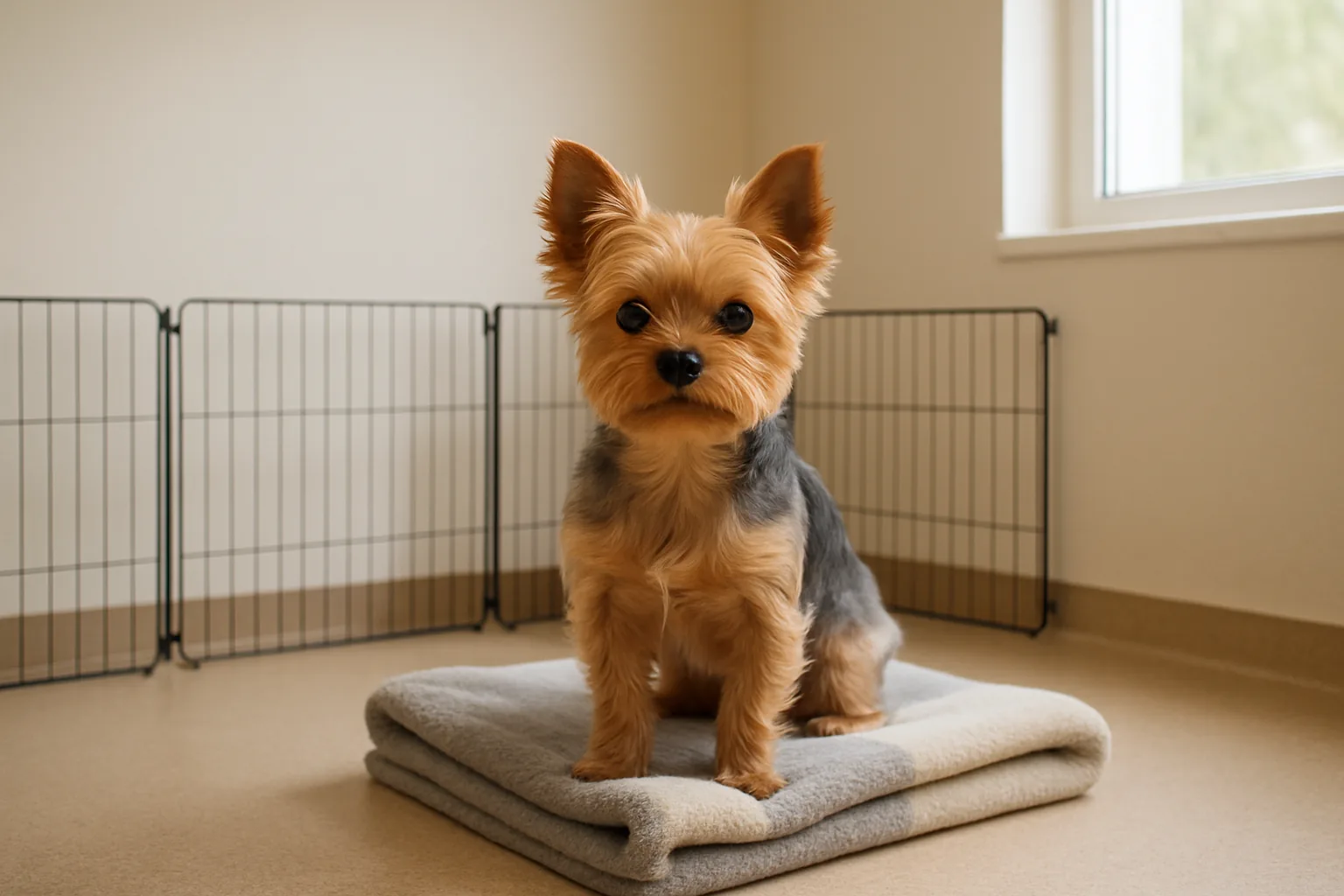
Airway anatomy matters as well. Breeds prone to tracheal collapse, including Yorkshire Terriers and Pomeranians, should be walked on a harness rather than a neck collar. And the single biggest structural question is separation: a small dog should never share a play space with dogs many times its weight, because even friendly play can cause a crushing injury. Ask whether the facility has genuinely separate small-dog areas with their own fencing, since gaps that a Labrador cannot fit through are an escape route for a four-pound dog.
One last correction to a common assumption. Small does not mean timid or lazy. Dachshunds, Jack Russells, and small terriers carry terrier drive in a compact frame and need real activity. Meanwhile, some toy companion breeds genuinely are noise-sensitive and do best in a quiet wing, which overlaps with the needs of anxious and reactive dogs whatever their breed.
Flat Faces Are a Category of Their Own
Brachycephalic breeds, including Bulldogs, French Bulldogs, Pugs, and Boston Terriers, are the one group where breed changes the risk profile rather than just the comfort level. Their airway anatomy makes heat and exertion a genuine emergency risk, which means climate control, restricted play, and overnight breathing checks are safety requirements rather than upgrades. If you own one of these breeds, read our full guide to boarding flat-faced breeds before you book anything.
What to Tell the Facility, and What to Ask
Give staff the breed-specific brief they cannot guess: your dog’s normal temperature tolerance, how it behaves around unfamiliar dogs, what actually tires it out, its feeding routine and any bloat risk, harness or collar preference, and the early signs that your particular dog is not coping.
Then ask the questions that reveal whether a facility thinks in these terms at all:
- How do you decide which dogs go in which play group, and what is the size gap you allow?
- What is your indoor temperature range in summer and winter, and how do you adjust for heavy-coated or thin-coated dogs?
- What does enrichment look like for a high-drive working dog on a rainy day?
- Have you cared for this breed before, and how did you adapt the routine?
- What breed restrictions apply here, and are they yours or your insurer’s?
Confident, specific answers show a facility that reads dogs individually. Generic reassurance that “we treat them all the same” is the answer you do not want, because treating a Malamute and a Chihuahua the same is exactly the problem. Our broader guide to choosing the right dog hotel covers the fundamentals every owner should check, and the breed layer above is what you add on top. Anything touching your dog’s specific medical risk, from bloat to airway disease, belongs in a conversation with your veterinarian before you travel.
Further reading (sources)
- American Kennel Club on how small breeds differ in personality and activity level
- American Kennel Club for what guardian breeds need in training and socialization
- American Veterinary Medical Association on choosing and preparing for a boarding facility
- VCA Animal Hospitals for why bloat is an emergency in deep-chested breeds