Boarding Kennel Fire Safety: Why Overnight Fires Are the Deadliest Risk and What to Verify Before You Book
Published on June 6, 2026
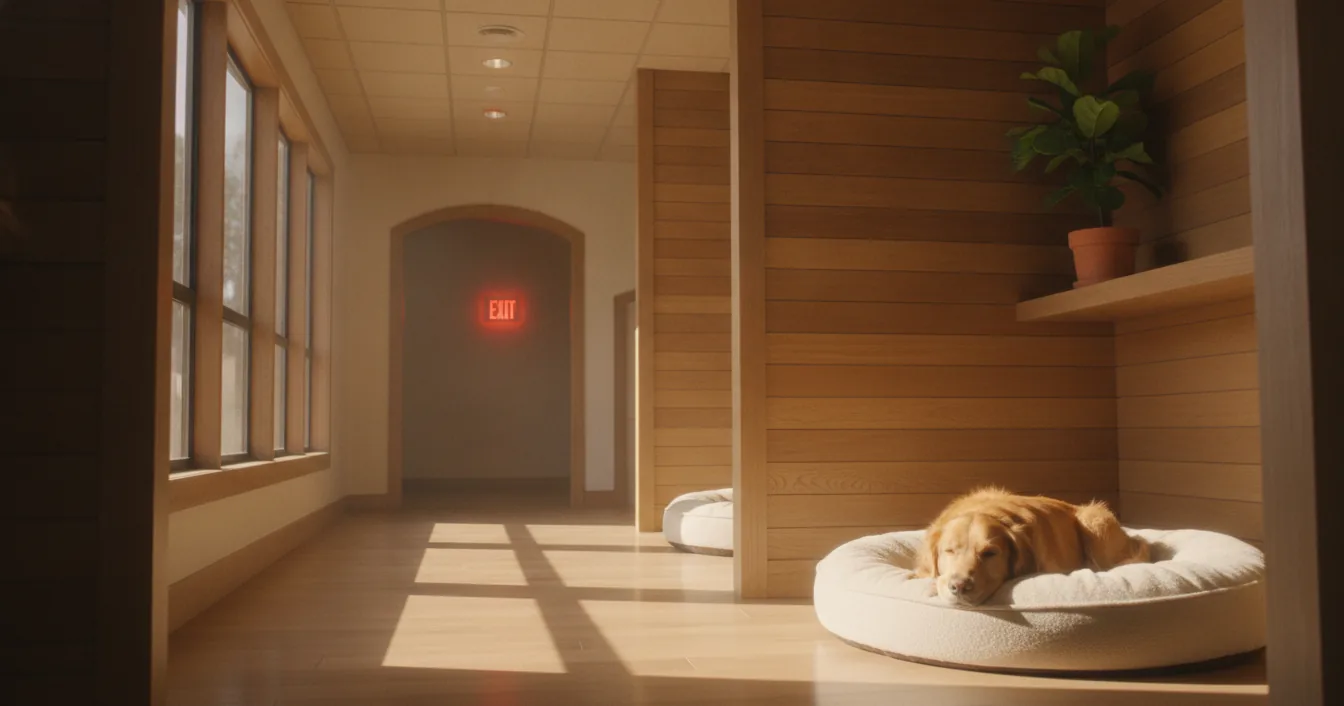
In April 2026, four dogs died in a fire at a kennels near Bampton, in Devon. The building was a large shed, roughly 15 by 11 metres, being used to house dogs. Crews from four fire stations were called out at about 21:35 on a Sunday night and fought the blaze until nearly two in the morning. The cause was believed to be accidental (BBC, 2026).
Read the time stamp again. The fire took hold late on a Sunday evening and burned through the night. That detail is not incidental. It is the whole reason fire is the deadliest disaster a boarding kennel can face.
This guide is a single-hazard deep dive on that risk. Not cruelty, not the everyday physical accidents a good walk-through can catch, but fire, and specifically the overnight fire in a building no one is standing in. Here is why the unstaffed hours are so dangerous, what reputable operators engineer in to protect dogs they cannot personally watch at 3am, and the questions that surface whether a facility treats fire as an engineered risk or an act of fate.
Why Overnight Is the Dangerous Window
Most things that go wrong at a kennel happen while staff are present and can step in. A dog overheats, a scuffle breaks out in the play yard, a latch slips: someone is there to act. Fire is the exception. The deadliest fires start or spread after the last person has gone home, in the long unstaffed stretch between the evening check and the morning shift. By the time a neighbour or a passer-by notices flames, the fire has had a head start measured in tens of minutes.
The dogs cannot close that gap. A dog cannot open its own kennel door, cannot find an exit through thick smoke, and cannot climb out of a stacked crate. Confined and dependent on a human who is not there, animals in an unstaffed building have no way to save themselves. Smoke, not flame, usually kills first, and it does so fast. A webcam you can check from your phone is reassuring by day, but at three in the morning it shows you a dark, empty room with no one in it to help. This is why a kennel’s fire protection cannot rest on anyone being present. It has to work when the building holds no people and a dozen dogs.
Detection That Wakes Someone Who Can Act
A smoke alarm that only sounds a siren on the wall is built for a home where people sleep nearby. In an empty building at 3am, that siren screams to no one who can respond. The dogs hear it. Nobody who can open a door does.
What a serious facility installs instead is monitored detection. Smoke and heat detectors throughout the housing areas are wired to a central monitoring station or directly to the fire service, so an alarm automatically dispatches help and alerts an on-call person, day or night, whether or not anyone is on site. Heat detectors earn their place alongside smoke units because dusty, high-airflow kennel rooms can foul smoke sensors, and a rate-of-rise heat detector can catch a fast-developing fire that a clogged smoke alarm misses.
Ask the plain question: when the alarm goes off overnight and the building is empty, who finds out, and how? “A loud bell” is the wrong answer. “It calls our monitoring company and our manager, and it notifies the fire service automatically” is the right one.
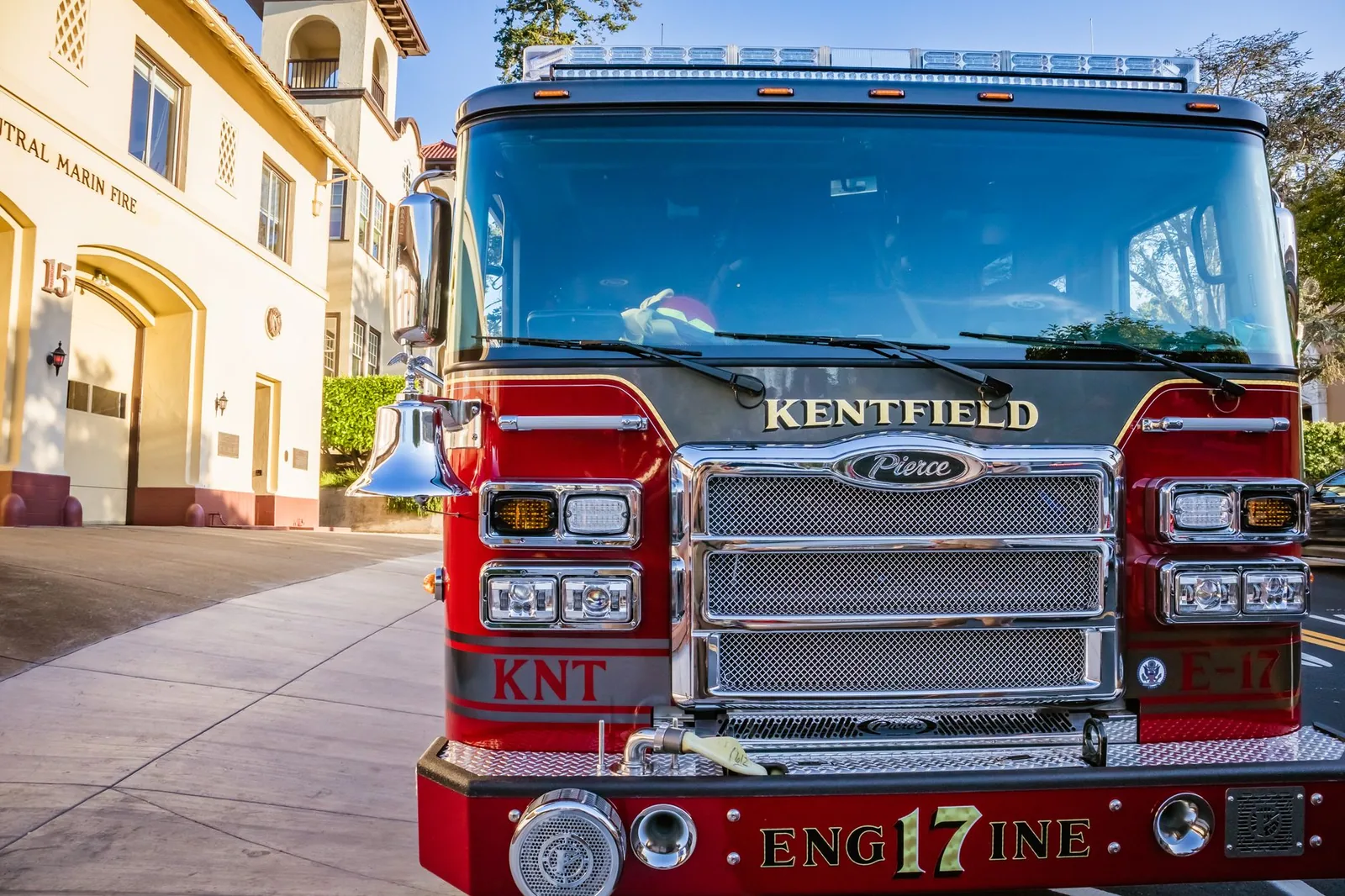
Suppression and Construction: Slowing the Fire Down
Detection summons help. Suppression and construction buy the time for that help to matter.
An automatic sprinkler system is the single most effective protection a kennel can have. Sprinklers act in the first minutes, often controlling or extinguishing a fire before crews arrive. The NFPA reports that in homes the fire death rate is roughly 90 percent lower when sprinklers are present, and that sprinklers tend to hold a fire to the room where it started (NFPA, 2024). The same physics protects any occupied building. The recognised benchmark for animal facilities is NFPA 150, the Fire and Life Safety in Animal Housing Facilities Code, the one code written specifically around occupants who cannot evacuate themselves. It pairs active protection like sprinklers and alarms with construction rules and written emergency plans. Many purpose-built boarding facilities are designed to this kind of standard. Many converted barns, sheds, and outbuildings are not.
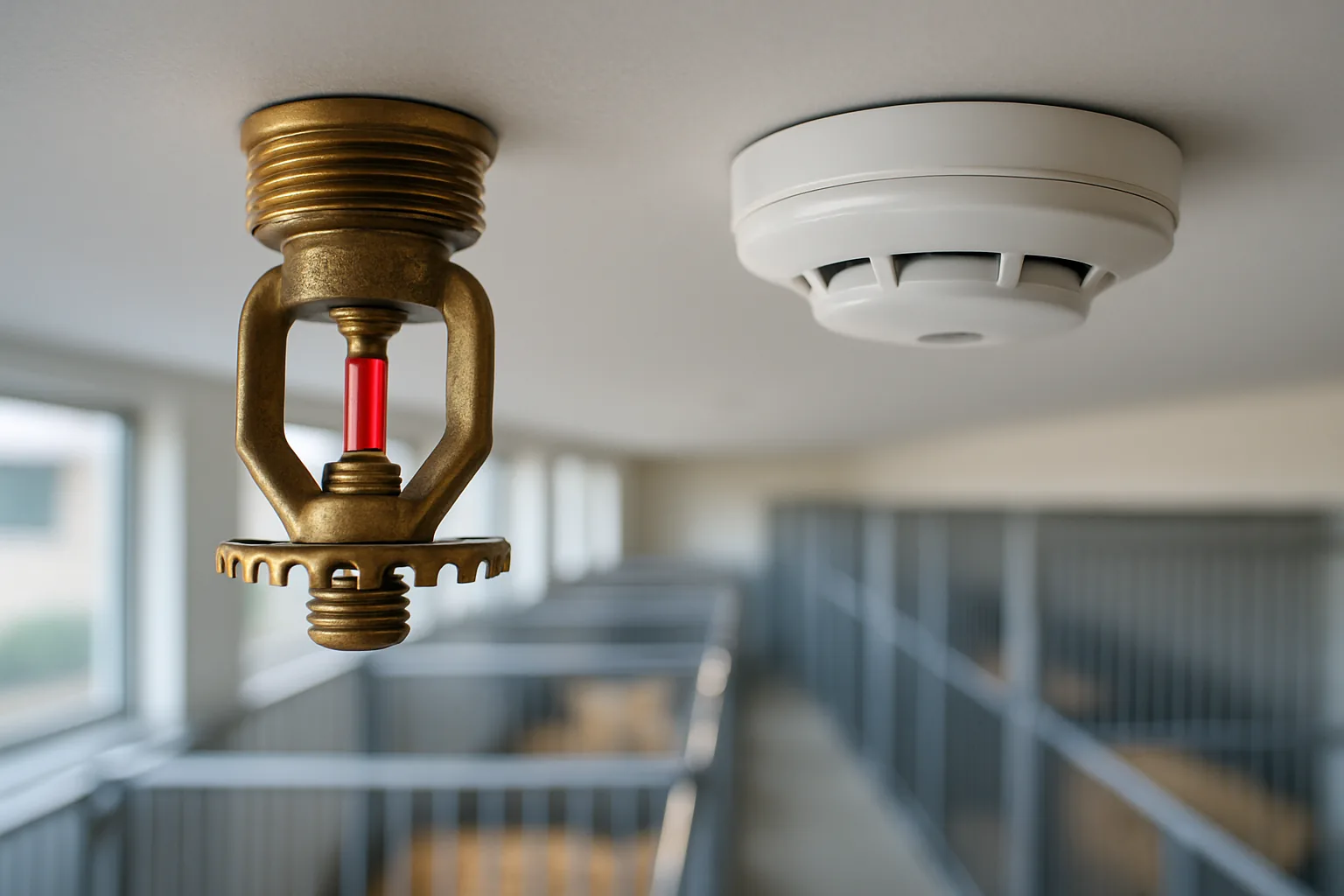
Construction is the other half. Fire-rated walls and self-closing fire doors divide a building into compartments, so a fire that starts in one block is contained there instead of racing across an open roof space. A single open-plan shed, like the Devon building, offers none of that: one ignition point puts every animal in the same air. On a tour, notice whether the housing is broken into separate fire compartments or is one large open volume.
An Evacuation Plan With a Name and a Clock
Ask to see the written fire and evacuation plan. A real one names things. It names the person on call overnight, states how fast that person can be on site, and spells out who calls the fire service, who releases the dogs, and in what order. A plan that is only a laminated poster by the door, with no named responder and no response time, is decoration.
How the dogs are housed decides whether that plan can work at all. One person, under stress, in smoke, cannot unlatch dozens of individual crates. Dogs stacked in crates are the hardest to reach and the most likely to be trapped. Runs or suites that a single responder can throw open quickly, ideally in banks rather than one fiddly latch at a time, give the dogs a real chance. Ask how many staff would respond out of hours, how long they take to arrive, and how one or two people would physically move every dog out of the building. The specifics, or their absence, tell you most of what you need to know.
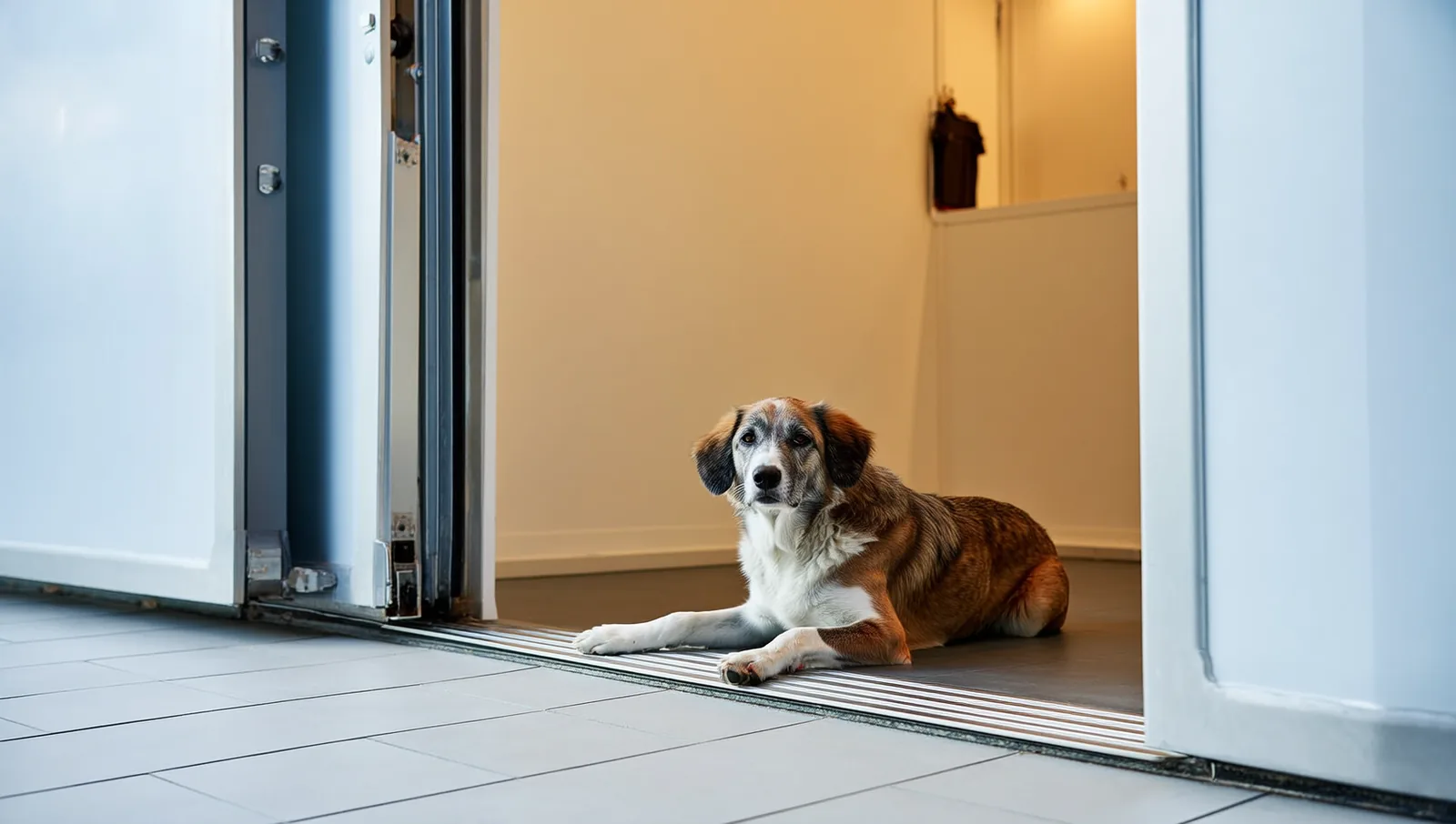
The Tour: Questions That Reveal Whether Fire Is Engineered Out
Fire codes vary by country, state, and town, and converted farm buildings often slip through gaps that purpose-built facilities do not. So do not assume. Ask, and confirm the answer is yes:
- Is there monitored smoke and heat detection that alerts a monitoring company or the fire service automatically, not just a local alarm?
- Who is notified when the alarm sounds overnight, and how quickly can they reach the building?
- Are the dog housing areas protected by automatic sprinklers or another fixed suppression system?
- Is the building divided into fire-rated compartments, or is it one open space?
- Is there a written evacuation plan with a named overnight responder and a stated response time?
- Are dogs housed in runs or suites a single person can open fast, rather than stacked crates?
- How would one or two people get every dog out of the building at night?
- Is the facility licensed, and does it meet the local fire authority’s requirements for animal housing?
A confident operator welcomes these questions, because the honest answer to each is yes and they have spent money to make it so. Hesitation, a vague answer, or a building that is plainly a single unprotected shed is the signal to keep looking. If you want to confirm a specific code requirement or a building’s fire certification, the local fire authority is the right place to verify it, not only the kennel’s front desk.
None of this is about expecting the worst of every kennel. Fatal fires are rare, and they stay rare partly because good operators design them out, with detection that calls for help, suppression that fights the fire, construction that contains it, and a plan that gets dogs out. That same systems-minded diligence runs through our guide to choosing the right dog hotel, the physical walk-through in our freak accident hazards guide, and the disease controls in our kennel cough and CIRDC guide. Tour in person, ask the overnight questions, and book the place that treats fire as an engineered risk rather than bad luck waiting to happen.
Further reading (sources)
- BBC on the Devon kennels fire that killed four dogs
- National Fire Protection Association for the Fire and Life Safety in Animal Housing Facilities Code (NFPA 150)
- NFPA on what the data shows about automatic sprinklers and fire deaths
- American Veterinary Medical Association for what to ask before boarding your pet